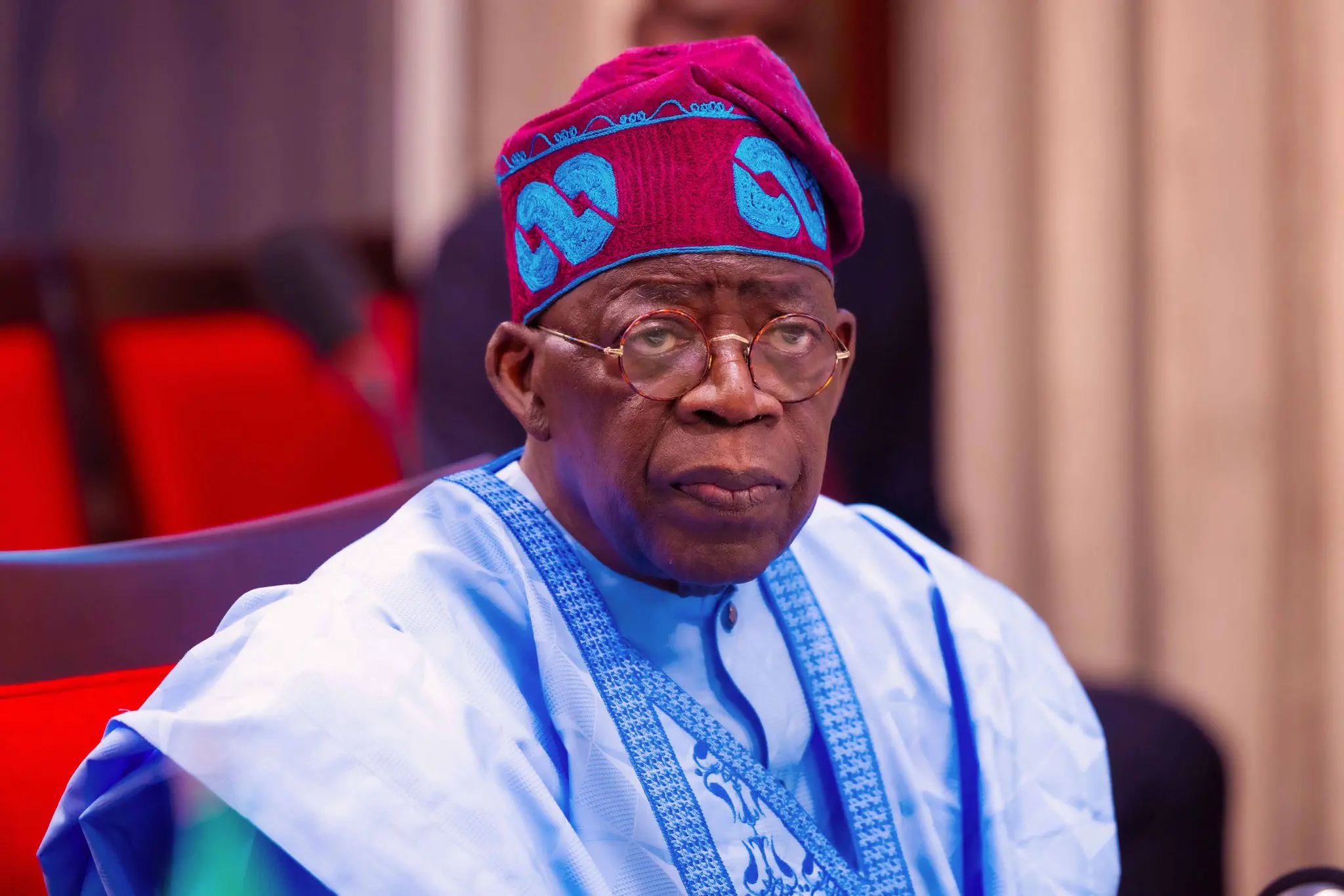
A fresh wave of international scrutiny has hit Nigeria’s security architecture as U.S. Congressman Bill Huizenga openly accused President Bola Ahmed Tinubu’s administration of failing to take decisive action to stop persistent killings across several communities in the country. His remarks, made during a congressional hearing in Washington, have intensified global conversation on Nigeria’s troubling security landscape and raised questions about the government’s handling of violent attacks frequently reported in parts of the country.
The Congressman, speaking with visible frustration, alleged that the Nigerian government is “sitting back” while extremist violence continues to claim lives, particularly those of Christians and moderate Muslims in rural and conflict-prone communities. According to him, what should be treated as a national and humanitarian emergency is being minimized by both Nigerian officials and some international actors, thereby weakening global pressure for meaningful intervention.
Huizenga’s Strong Allegations and the Message to Washington
In his presentation, Huizenga expressed deep concern that Nigerian officials visiting the United States are not presenting an honest account of what is happening on the ground. He accused the delegation of playing down the severity of the killings, insisting that the situation is far worse than Nigerian authorities admit. He recalled personal connections to Nigeria — including former classmates and missionary acquaintances — arguing that people with lived experience in the country “know what is happening” and that the truth cannot be brushed aside.
The Congressman made specific reference to the devastating Christmas Eve 2023 attacks in Plateau State, where hundreds of people were reportedly killed in coordinated assaults on villages. To him, that tragedy symbolizes a broader pattern of insecurity that has persisted for years and continues to spread. He argued that if firm action is not taken, Nigeria risks sliding further into large-scale communal disaster.
Huizenga also criticised the media and certain policymakers in the U.S., claiming that some outlets and officials either deny the reality of the killings or describe them in a way that strips them of urgency. He described such narratives as dangerous because they embolden violent actors by reducing international pressure and weakening the resolve for coordinated intervention.
A Call for Targeted Sanctions but Not Military Intervention
Despite the severity of his criticism, the Congressman clarified that he does not support U.S. military intervention in Nigeria. He stressed that America has no business deploying troops or engaging in any form of armed conflict. Instead, he advocated the adoption of targeted economic measures — including visa bans and asset freezes — directed at individuals, groups, and networks suspected of participating in or enabling extremist violence.
According to him, sanctions would send a powerful signal that the international community is unwilling to tolerate impunity. He argued that such measures would compel stronger domestic action and could potentially break the cycle of denials, excuses, and unaccountability that he believes have slowed progress.
Huizenga issued a stark warning that the world must avoid the kind of inaction that preceded genocides in Rwanda and violence in South Sudan. He urged the U.S. Congress to act swiftly, describing Nigeria’s situation as a “turning point” that requires urgent global attention.
Nigeria Rejects Claims of Genocide and Downplays Religious Framing
Back home, the Nigerian government and parliament have firmly rejected suggestions that the killings amount to a targeted campaign or that Christians are systematically persecuted. The House of Representatives described such claims as misleading and inconsistent with Nigeria’s complex security reality. Officials argued that both Christians and Muslims have suffered from the violence, and that the crisis cannot be narrowly interpreted as religious.
Nigerian authorities also emphasised that the country welcomes international partnership but will resist any external approach that undermines national sovereignty or distorts the true nature of the conflict. Several government voices have insisted that accusations of indifference toward the killings are unfounded and fail to appreciate the ongoing security operations being carried out across affected regions.
Experts Warn Against Oversimplifying Nigeria’s Security Crisis
Security analysts and policy researchers have cautioned that explaining Nigeria’s violence solely through a religious lens oversimplifies a more complex reality. According to experts, the crisis is driven by a combination of factors, including governance failures, poverty, ethnic tensions, land-use conflict, and the activities of criminal groups seeking economic advantage. They argue that while extremist ideology plays a role, it is not the exclusive driver of the killings.
Some analysts have also warned that foreign military involvement would be counterproductive, potentially deepening distrust and inflaming local tensions. They recommend a collaborative model where international support is tied to reform, community engagement, and improved accountability within Nigeria’s security structure. This includes strengthening local intelligence systems, modernizing policing strategies, and promoting inclusive development in vulnerable regions.
Implications for U.S.–Nigeria Relations
Congressman Huizenga’s remarks arrive at a delicate moment for Nigeria’s diplomatic engagement with the United States. While both countries maintain strong bilateral relations, accusations of inaction, minimisation, or misrepresentation could generate friction if not managed carefully. If the U.S. proceeds with sanctions or other restrictive measures, Nigeria may intensify diplomatic efforts to contest the narrative and protect its international standing.
The Tinubu administration, already grappling with economic reforms, inflation, and public dissatisfaction, may also face heightened domestic scrutiny as the international spotlight grows. Nigerians in affected areas have long complained about slow response to attacks and inadequate protection from security agencies. The Congressman’s testimony could amplify those concerns and push the government to adopt more visible and aggressive measures to restore security.
A Nation at Crossroads: What Happens Next?
The next phase of international engagement will likely determine whether Nigeria faces punitive measures or receives a more cooperative intervention focused on capacity-building and internal reform. If sanctions are imposed, individuals suspected of fueling violence could face travel bans or frozen assets abroad. Such actions may create political shockwaves and force urgent recalibration within Nigeria’s security framework.
Domestically, civic groups, religious organisations, and community leaders may use the global attention to demand better protection and systemic changes. Many Nigerians believe the country needs not just stronger military responses but deeper reforms in governance, accountability, and local conflict-resolution mechanisms.
At the heart of the matter lies a crucial question: can Nigeria confront the roots of its insecurity with honesty and urgency, or will it be pulled deeper into cycles of violence and international criticism?