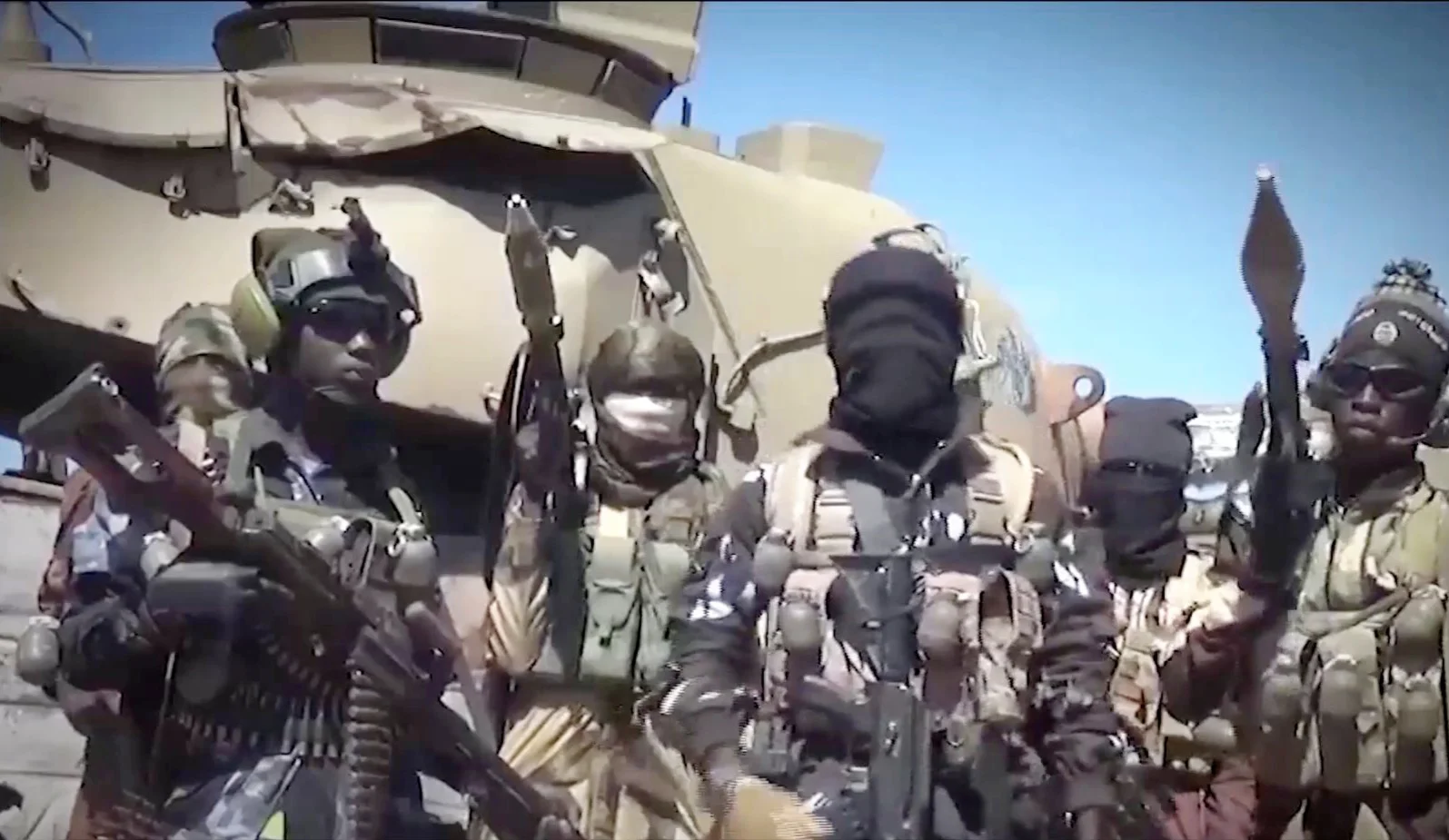
The atmosphere in Borno State has grown increasingly tense following the abduction of 13 teenage female farmers by suspected Islamic State West Africa Province (ISWAP) militants in the remote farming belt of Mussa, Askira-Uba Local Government Area. What began as a routine farming day ended in fear and trauma when armed insurgents stormed the fields and abducted the young women, most of whom are between 15 and 20 years old.
Authorities have since confirmed that the abductors have demanded a ₦10 million ransom, a figure that has plunged families into anguish and intensified calls for urgent intervention. As the story unfolds, the incident has reignited old debates about security gaps, rural vulnerability, and the expanding footprint of terrorist operations in the Northeast.
A Day of Routine Farming Turned Into Horror
Residents of Mussa recount that the girls had set out early to the farmlands, a common practice during the harvest season. Many of them had been temporarily relocated from Huyim District to Mussa after earlier security threats in their home communities disrupted farming activities there. Farming, for these girls and their families, is more than economic survival — it is the only remaining path to sustenance after years of displacement.
However, that normalcy was shattered when insurgents, believed to be ISWAP operatives, swept into the area. Witnesses stated that the attackers operated with chilling precision, blocking escape routes and selecting only the young female farmers before retreating into the rugged forest terrain that borders the district.
The abduction has once again highlighted the dangerous complexity of food production in conflict-affected regions, where farmers are increasingly forced to choose between hunger and the risk of death or kidnapping.
Conflicting Emotions as One Girl Escapes, But 12 Remain Missing
In the aftermath of the incident, a small piece of relief emerged when it was confirmed that one of the abducted girls managed to escape. Sources indicate she fled during a moment of confusion when the insurgents paused to regroup. Her escape is now providing investigators with vital intelligence on the kidnappers’ movement patterns and possible hideout locations.
Despite this development, the fate of the remaining 12 girls has become the focus of a larger humanitarian and security crisis. Families are gripped by fear, barely able to sleep or eat, unsure whether their daughters are safe, harmed, or being moved deeper into insurgent-controlled enclaves.
Officials Confirm the Kidnapping and Demand Urgent Action
The Deputy Speaker of the Borno State House of Assembly, Abdullahi Askira, who represents the Askira-Uba constituency, confirmed the abduction publicly. His voice, both stern and emotionally burdened, reflected the gravity of the situation as he urged federal and state security agencies to accelerate their search-and-rescue mission.
He emphasized that the incident is not just a local tragedy but a major national concern, noting that the abduction of teenage girls from their farms underscores a widening security vacuum in rural Borno. He warned that failure to rescue the victims quickly may embolden insurgents to intensify similar attacks in bordering communities already stretched thin by displacement and hunger.
Similarly, prominent northern leaders, including senior legislators and traditional authorities, have appealed for coordinated action, stressing the need for improved rural surveillance, more proactive intelligence gathering, and stronger support for farming communities who remain the backbone of local food production.
Police, Military, and Local Vigilantes Launch Joint Rescue Operation
Following confirmation of the abduction, the Borno State Police Command announced that a multilayered joint rescue operation involving police officers, military units, hunters, and members of the Civilian Joint Task Force (CJTF) is already underway. According to authorities, the operation is focusing on forested escape corridors, riverbank trails, and abandoned settlements long used as insurgent staging points.
Security sources note that the insurgents responsible are likely using well-known tactical routes that stretch toward the Mandara Mountains — a historically difficult terrain that has served as a protective shield for militant groups for more than a decade. This topographical reality complicates rescue efforts and increases the urgency to act before the captors move the victims deeper into inaccessible zones.
Policing authorities have also issued advisories to local farmers, urging them to avoid isolated farmlands and prioritize areas recently cleared by security teams. Communities were warned against embarking on individual search efforts due to the high risk of ambush.
Ransom Demand Raises Fears of a New Kidnapping Economy Surge
The kidnappers’ demand for ₦10 million has revived long-standing fears about the monetization of abductions in Nigeria’s conflict zones. Over the years, insurgent groups in the Northeast have increasingly pivoted toward kidnapping for ransom as a reliable source of funding, often using the proceeds to purchase weapons, expand recruitment, and sustain their operations.
Experts on Nigeria’s insurgency note that the amount demanded, while significant, is designed to pressure families emotionally, even when the figure exceeds what a farming household can produce. The strategy often involves psychological torment — prolonged silence, sudden calls, and threats — designed to break the resilience of families while maintaining leverage.
In this case, it remains unclear whether the ransom is for all 13 girls collectively or per victim. Regardless, communities fear that paying such a ransom could embolden further attacks on farmers, particularly young women who have increasingly become symbolic targets for terror groups seeking attention and bargaining power.