In a shocking revelation that has stirred nationwide attention, a Fulani elder living in the troubled Bokkos axis of Plateau State has narrated how his own kinsmen carried out a deadly attack that left 46 Christian residents dead. The heartbreaking confession sheds new light on the October assault in Hurti community, Manguna District, and adds a painful layer of truth to the region’s long-running crisis of communal violence.
Below is a detailed, well-structured, SEO-optimized news feature on the development.
A Heartbreaking Confession From Within the Community
A respected Fulani elder, who has resided in Hurti community for more than three decades, has spoken out publicly about the killings, expressing deep sorrow over the role played by his fellow Fulani men in the massacre. According to him, the attackers stormed the quiet Christian farming settlement in a coordinated night raid, killing 46 residents and razing homes.
His decision to speak, he said, was driven by conscience and a desire for truth and peace.
The elder described the attackers as “my own people,” leaving many Nigerians stunned, as it is rare for insiders to speak so directly about the identity of perpetrators in such ethnically charged conflicts.
Inside the Night of Terror: How the Attack Unfolded
Eyewitness accounts from survivors and the elder’s narration align to paint a horrifying picture of the assault:
- Armed men reportedly invaded the community during the night when residents were most vulnerable.
- Houses were set ablaze as families attempted to flee into the surrounding bush.
- Dozens were killed on the spot, including women, children, and elderly residents who could not escape.
- Survivors said the attackers appeared familiar with the terrain, supporting the elder’s statement that the violence came from within a known group.
By the time security personnel arrived, the attackers had vanished, leaving behind destruction, burned homes, and grieving families.
A Pattern of Violence in Plateau State
The attack in Hurti adds to a disturbing trend of violent assaults targeting Christian communities across Plateau State, a region that has witnessed years of deadly clashes involving suspected herdsmen and local farming populations.
Recent incidents across the state mirror similar methods of attack—night raids, coordinated gunfire, destruction of property, and mass displacement. Many communities in Bokkos, Mangu, Bassa, and Barkin Ladi have repeatedly suffered deadly invasions.
The elder’s confession, however, stands out as one of the rare, candid acknowledgments from within the Fulani community regarding responsibility for such killings.
Communal Tensions, Grief and Calls for Justice
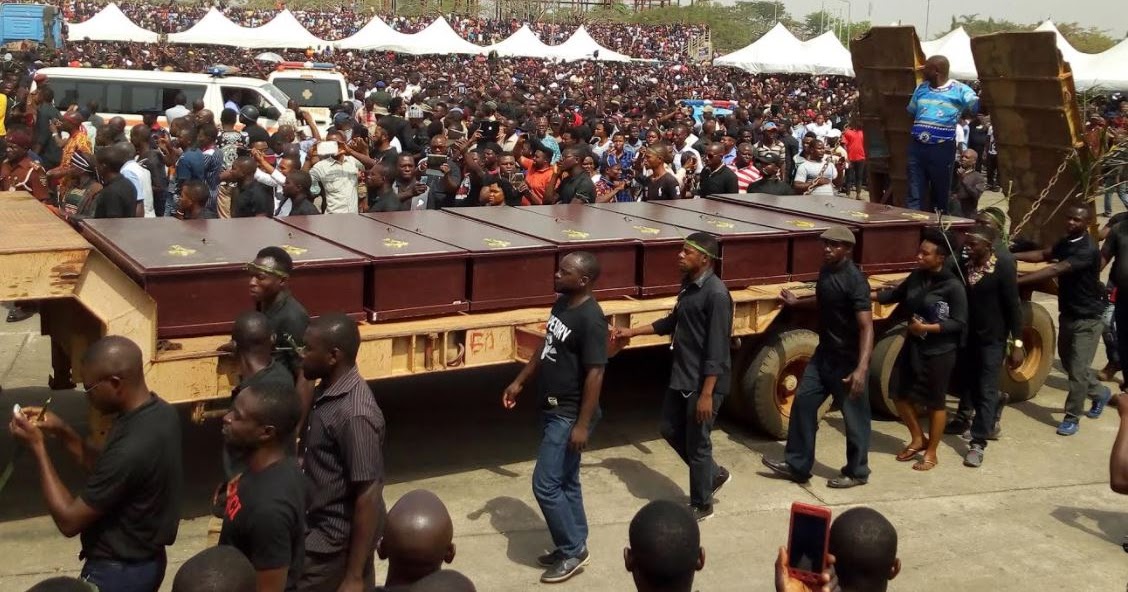
Residents of Hurti and surrounding communities continue to grieve as mass burials were conducted in the aftermath of the tragedy. Community leaders insist that justice must be pursued, and they call for:
- Stronger security presence
- Arrest and prosecution of identified attackers
- Government intervention and rehabilitation
- Dialogue-based peace processes that include genuine truth-telling
The elder who exposed the incident emphasized that acknowledging wrongdoing is essential for genuine reconciliation, warning that silence only allows violence to continue unchallenged.
Security Agencies Under Pressure to Act
Security operatives have been criticized for delayed responses during recent attacks in Plateau communities. With rising death tolls and ongoing displacement, analysts say urgent reforms are needed to restore public trust.
Residents worry that without decisive action and intelligence-backed operations, attackers may return or shift their focus to other vulnerable communities.
A Community Struggling to Heal
Weeks after the massacre, Hurti remains a shadow of itself. Burnt houses, abandoned farms, and empty compounds paint a picture of a community traumatised by fear. Many survivors have taken refuge in neighboring villages or informal camps, unsure when it will be safe to return home.
Local leaders say the psychological impact may last for years, especially for children who witnessed the violence firsthand.