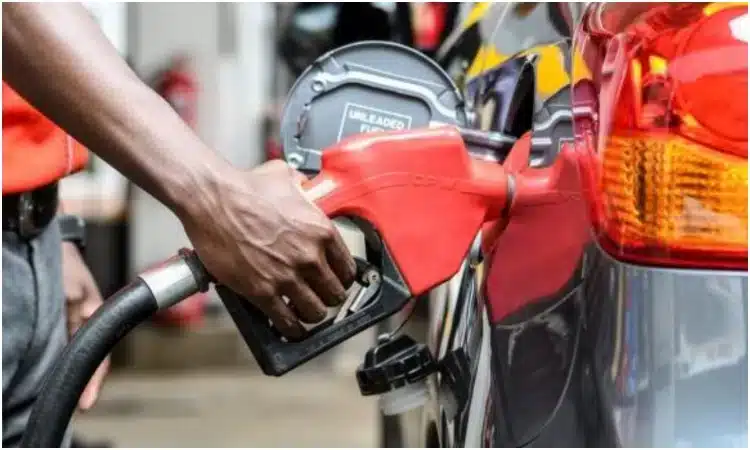
The national fuel supplier NNPCL has announced a cut to the pump price of petrol — a welcome move that could bring some relief to motorists and ordinary Nigerians struggling with high fuel costs. News broke early morning that major depots, including outlets like Pinnacle Depot and Aiteo Depot, cut the ex-depot PMS (petrol) price by at least ₦10 per litre.
As a result, petrol pump prices at many filling stations nationwide are now significantly lower than in recent weeks.
Why the Price Dropped: Supply Improves, Competition Heats Up
Several factors appear to have driven this reduction:
- Improved supply: NNPCL, alongside petroleum marketers and depots, reportedly saw increased stock levels — alleviating earlier supply constraints.
- Market pressure: As private depots and independent marketers cut their prices, competition increased, pushing NNPCL to adjust its pump price downward.
- A response to overall easing in the downstream petroleum market — signalling some stability after months of volatility.
What It Means for Nigerians: Everyday Impact
For many Nigerians, this petrol-price reduction could translate into tangible, if modest, short-term relief.
- Cheaper transport costs: With lower petrol prices, public transport operators and commercial drivers may adjust fares down over time — benefiting commuters.
- Reduced cost of goods: Fuel prices often influence the cost of goods (transportation, distribution, retail). A cheaper petrol pump rate could lead to slight reductions in prices of food items, consumer goods, and services.
- Eased pressure on households: Given the broader cost-of-living increases Nigeria has seen recently, a drop in petrol price — even if small — offers some breathing space for households budgeting for transport, energy, and logistics.
A Cautious Note: Stability Still Fragile
While the reduction brings hope, industry watchers warn that pump prices may continue to fluctuate depending on global crude prices, supply chain disruptions, and demand pressures. The downstream petroleum market remains volatile, and future increases cannot be ruled out.
For long-term relief, consistent supply, stable refining and imports, and transparent pricing policies will be essential.
What to Watch Next
- Whether retail petrol prices across major cities (like Lagos, Abuja, etc.) align with the new lower rate at NNPCL stations — and how soon.
- How commercial transport and goods-distribution companies respond: will lower pump prices translate into lower fares or lower retail prices?
- Whether the price reduction triggers broader downward pressure on inflation, especially for fuel-dependent sectors.
- Ongoing reaction from government regulators, marketers, and refineries: if supply remains stable, further reductions might be possible.