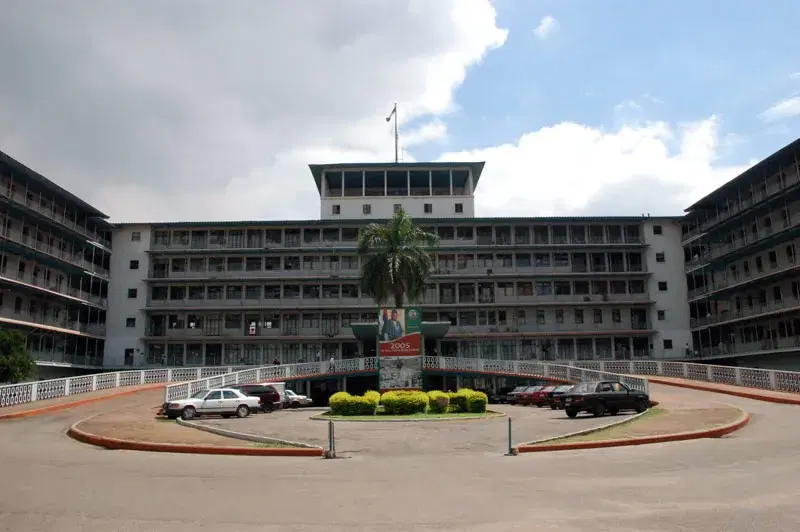
In a development greeted with relief by patients and health-care stakeholders, resident doctors at University College Hospital (UCH), Ibadan have resumed work after a month-long nationwide strike. The resumption marks a critical turning point in Nigeria’s ongoing struggle to stabilize its health sector and restore normal operations at one of the country’s premier teaching hospitals.
The strike, which began early November, saw resident doctors across the nation withdraw their services in protest against long-pending grievances — including demands for better pay, allowances, and improved working conditions. In UCH, the impact of the walkout was acutely felt, with elective surgeries halted, clinics closed, and patients left stranded.
Now that services have resumed, many Nigerians are hopeful that the move will not only restore access to care at UCH, but also serve as a signal of renewed commitment to confronting systemic issues within the health system.
What Prompted the Strike – and Why It Matters
The strike was initiated by the national body of resident doctors, Nigerian Association of Resident Doctors (NARD). Among their core demands were a 200% increase in the Consolidated Medical Salary Structure (CONMESS), implementation of new allowances that had been proposed since mid-2022, recruitment of more clinical staff, and removal of bureaucratic bottlenecks hampering staff replacement.
At UCH — one of Nigeria’s oldest and most respected teaching hospitals — these demands take on heightened significance. Resident doctors constitute a substantial portion of the workforce responsible for surgeries, emergency care, and daily patient management. Their withdrawal thus substantially crippled hospital services, affecting thousands of patients across various wards and specialties.
For many patients — especially those requiring urgent care, surgery, or ongoing treatment — the strike translated into missed appointments, postponed surgeries, delayed diagnostics, and in several cases, transfers to private facilities at higher cost.
Beyond UCH, the strike sent ripples across Nigeria’s health system, amplifying calls for structural reforms and better welfare for medical professionals. For patients, many of whom rely on government hospitals due to cost and accessibility, the strike deepened distrust and anxiety about the reliability of public health infrastructure.
What Changed — Why Resident Doctors Returned
The decision to call off the strike came after serious negotiations between NARD representatives and the federal government, culminating in the signing of a Memorandum of Understanding (MoU) that addressed several of the doctors’ immediate demands.
According to the leadership of the UCH chapter of resident doctors, the national body’s National Executive Council (NEC) reappraised the situation on November 29 and determined that the government had met most of their immediate cases sufficiently to warrant resumption.
Under the terms of the agreement, the government committed to implementing the agreed salary and allowance adjustments, recruiting additional clinical staff, and removing bureaucratic delays impeding replacements for exiting doctors. As a show of good faith, the strike was suspended and hospitals were to resume operations as soon as possible.
In compliance, the centre presidents of UCH-resident doctors held a congress on December 1 and directed all members to resume duty. By Monday morning, UCH had signaled full return to services under normal working routines.
What the Resumption Means for Patients, the Hospital, and Nigeria at Large
Restoration of Critical Health Services
With resident doctors back at their posts, surgeries, emergency care, outpatient clinics, diagnostics, and routine consultations can resume. For UCH — known for its specialist care and teaching-hospital status — this means that patients can once again access tertiary-level care without resorting to expensive private alternatives.
Relief for Stranded Patients and Vulnerable Nigerians
For many Nigerians who had deferred urgent care, the resumption offers relief and hope. Those who needed surgeries, specialist consultations, or long-term treatment can now re-schedule appointments. Vulnerable populations — pregnant women, chronically ill patients, accident victims — are especially likely to benefit immediately.
Boost to Public Confidence in Government Hospitals
Stability at a major public hospital like UCH helps restore faith in public health institutions. The strike and its resolution highlight the importance of fair working conditions for medical staff, which in turn influences the quality and reliability of health services for citizens.
Potential Momentum for National Health Sector Reforms
The willingness of both doctors and the government to negotiate may set a precedent for future reforms. If implemented diligently, the agreement could signal a shift toward more sustainable healthcare policies — better pay, improved staffing, enhanced service delivery, and greater accountability.
Lessons for Industrial Relations in the Health Sector
The episode underscores the importance of dialogue and respect for healthcare workers’ welfare. It offers a learning moment for union leaders, government, and hospital administrators about the consequences of prolonged neglect — and the benefits of prompt, meaningful engagement.
What This Means for the Broader Nigerian Health Landscape
The events at UCH reflect the broader challenges facing Nigeria’s health sector. Resident doctors at teaching hospitals nationwide joined the strike, highlighting that issues are systemic — not limited to a single hospital.
The strike, its resolution, and the resumption of work could mark a turning point if leveraged properly. Better remuneration, fair working conditions, and systemic restructuring could lead to stronger, more resilient public healthcare. For Nigeria — with its large population, high disease burden, and recurring health emergencies — such resilience is critical.
Moreover, the episode has reinforced the principle that healthcare workers are vital infrastructure. Their welfare directly affects public health outcomes and social stability. Governments and policymakers must now recognize that sustainable healthcare hinges on valuing and investing in human resources — not just buildings and equipment.