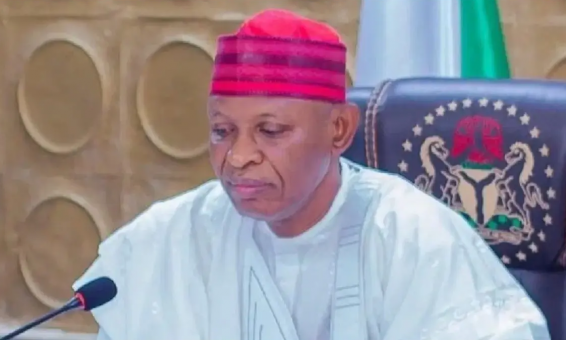
The people of Gaya, a town and Local Government Area in Kano State, have fresh reason to hope for educational and economic transformation. Governor Abba Kabir Yusuf has officially laid the foundation stone for Gaya Polytechnic — signalling the state’s renewed commitment to boosting technical and vocational education.
The plan is clear: once completed, Gaya Polytechnic will provide residents — especially youths and artisans — with practical skills, technical knowledge, and formal qualifications that can drive employability, entrepreneurship, and regional development.
Why Gaya Polytechnic Matters: What the Project Aims to Achieve
Expanding Access to Technical & Vocational Education
Kano State is responding to a growing need: many youths and artisans across Gaya and neighbouring communities lack access to quality technical education. The polytechnic aims to fill that gap, providing courses and practical training that mesh with labour market needs — not just traditional academic education.
This could empower artisans and skilled workers to upgrade their crafts, gain certifications, and access better jobs or entrepreneurial opportunities.
Stimulating Local Economy, Reducing Rural–Urban Migration
By giving local youth meaningful opportunities close to home, the polytechnic may discourage migration to urban centres in search of work. When local talents stay and contribute — as skilled labour, entrepreneurs, or service providers — the host community stands to grow economically.
The presence of a tertiary institution can also spur business: housing, small-scale commerce, services, and support infrastructure for staff and students.
Creating a Skilled & Innovating Workforce
With proper academic and technical offerings, graduates from Gaya Polytechnic could support Kano State’s ambitions for industrial growth, infrastructure development, and innovation. Governor Yusuf and his administration envision the institution as a foundation for raising a new generation of skilled professionals.
Over time, this could contribute to broader socio-economic advancement across the state — especially in under-served or rural areas.
What Has Happened So Far — The Road to Laying the Foundation
- Earlier in 2025, the Kano State Government inaugurated a technical committee (14- or 15-member, depending on source) to oversee the establishment of the polytechnic — site planning, infrastructure assessment, bill of quantities, academic framework, and more.
- In July 2025, the government appointed Mukhtar Atiku Kurawa (Vice Chancellor of Northwest University, Kano) as Chairman of the Implementation Committee, giving the project academic credibility and leadership.
- Recently, the State Assembly passed — and the Governor assented to — the bill formally establishing Gaya Polytechnic, legalizing the institution’s creation.
- On the day of the foundation stone laying, Governor Yusuf reaffirmed the government’s resolve to deliver the polytechnic “as soon as possible,” promising expedited administrative and construction processes.
All these steps indicate steady progress — from planning and committee formation to legal establishment and physical construction.
What Could Change — Potential Impact on Gaya, Kano & Beyond
Improving Education & Skills for Youths
If implemented properly, Gaya Polytechnic can become a critical avenue for youths to gain marketable skills — bridging the gap between theoretical education and real-world technical competence. This could lead to improved employability or self-employment.
Boosting Local Economy, Infrastructure & Social Mobility
Tertiary institutions often attract ancillary development: housing, shops, transport, services. Over time, Gaya could see increased business activity, improved living standards, and reduced migration pressures.
Driving Industrial Growth & Innovation in Kano State
With skilled graduates, Kano State may attract or develop industries requiring technical manpower — manufacturing, construction, engineering services — supporting broader economic growth and diversification.
Reducing Inequality & Enhancing Rural Inclusion
Establishing a polytechnic in a region like Gaya promotes decentralization of higher education: bringing opportunities to rural or semi-urban areas rather than centralizing educational resources in major cities. This helps tackle regional disparities.