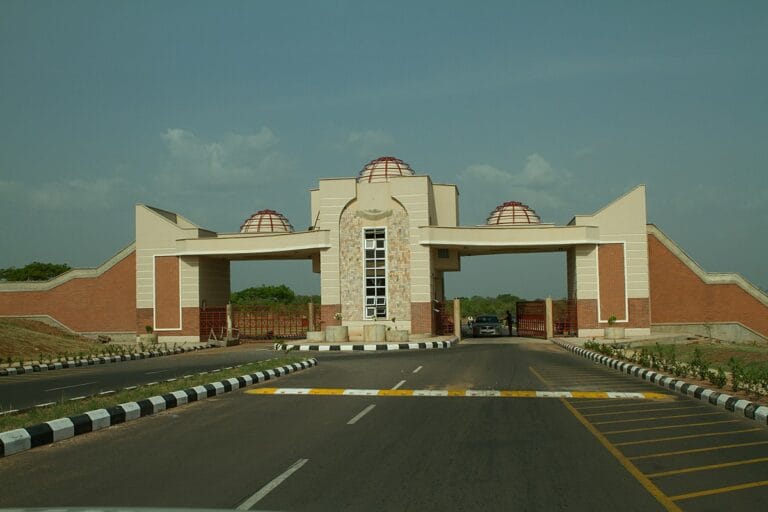
Kwara State University (KWASU) has ordered the immediate closure and evacuation of its Ilesha-Baruba satellite campus, directing all students and staff to relocate to the main campus in Malete following rising insecurity in the area.
The announcement came after the university management assessed the security situation in the Baruten axis and concluded that the environment no longer guaranteed the safety of its academic community. Despite describing the atmosphere on campus as calm during a recent official visit, the university emphasized that the relocation was a proactive and precautionary measure to safeguard lives.
According to the Acting Director of University Relations, Dr. Saeedat Aliyu, all affected students and staff are expected to move with only their essential personal belongings while the institution makes arrangements for safer accommodation at Malete. The directive is part of a broader safety strategy ahead of the university’s 13th convocation ceremony scheduled for early December, after which the institution will commence its mid-semester break before resuming in January.
A Crisis That Has Been Building for Months
The decision marks a significant development in the ongoing struggle to protect educational institutions across Kwara State from the growing wave of insecurity. Communities in Baruten Local Government Area, where the Ilesha-Baruba campus is located, have been exposed to frequent attacks from armed groups, including kidnappings, highway ambushes, and violent crimes targeting residents and travelers.
Earlier in the year, the proposed relocation of the Faculty of Agriculture to the same Ilesha-Baruba axis generated serious controversy, as students publicly protested over fears that the region was unsafe. Many argued that academic activities could not thrive in an area plagued by consistent threats to life. Their concerns now appear validated by the recent developments.
In the wider state, insecurity has forced the government to shut down dozens of public schools across multiple local government areas after repeated threats and attacks in vulnerable communities. Reports of teachers and pupils fleeing classrooms to avoid bandit invasions have become more frequent, reflecting the severity of the situation.
Impact on Students, Staff, and the University System
The relocation of an entire satellite campus is no small feat, and the implications for the university community are far-reaching.
For many students, the move presents a sudden disruption to academic routines, living arrangements, and transportation plans. Those who had settled into hostels or apartments near the Ilesha-Baruba campus now face the emotional and financial strain of relocating abruptly.
The influx of students and staff from Ilesha-Baruba is also expected to place additional pressure on the facilities and resources at the main campus in Malete. Accommodation, classroom space, utilities, and academic services may be stretched, raising concerns about overcrowding and comfort.
Beyond logistics, there are psychological effects to consider. Continuous security threats and academic disruptions can erode students’ confidence in institutional stability. Parents and guardians may also begin to question the safety of allowing their children to study in regions prone to violent attacks. Such uncertainty can influence future admission decisions and threaten enrollment numbers.
For the academic staff, repeated relocations and safety concerns may hinder productivity, research, and long-term planning. In extreme cases, this could even contribute to internal brain drain as professionals seek safer environments for their careers.
Why KWASU Took Action Now
The timing of the decision highlights strategic foresight by university leadership. With the convocation ceremony approaching and insecurity worsening in nearby communities, the institution appears determined to prevent any incident that could endanger the lives of students and staff or disrupt major academic events.
Authorities have been closely monitoring developments in Baruten and neighboring areas, where increased bandit activity has raised alarms. The highway linking the area to Ilorin has seen a rise in attacks, kidnappings, and violent robberies. These incidents have made travel increasingly dangerous for students, lecturers, and administrative personnel.
The university’s management emphasized that safeguarding human lives must take precedence over academic activities, infrastructure investments, or expansion plans. By relocating now rather than waiting for an incident to occur, the institution is positioning itself as proactive rather than reactive — an approach many stakeholders have praised.
What Comes Next for KWASU and the Affected Students
The immediate priority for the university will be to ensure smooth resettlement in Malete. This involves providing temporary accommodation, adjusting academic timetables, reallocating classes, and offering psychological support for those affected by the abrupt move.
Students and staff will join the convocation activities at Malete before proceeding on a break. It remains unclear whether the Ilesha-Baruba campus will reopen soon or remain closed indefinitely until the security situation improves.
The state government and security agencies are expected to reassess conditions in the area, especially given the strategic importance of Ilesha-Baruba in the university’s long-term expansion plans. Many believe the campus may only reopen when the area is fully secured and when stakeholders are confident that academic operations can continue without fear.