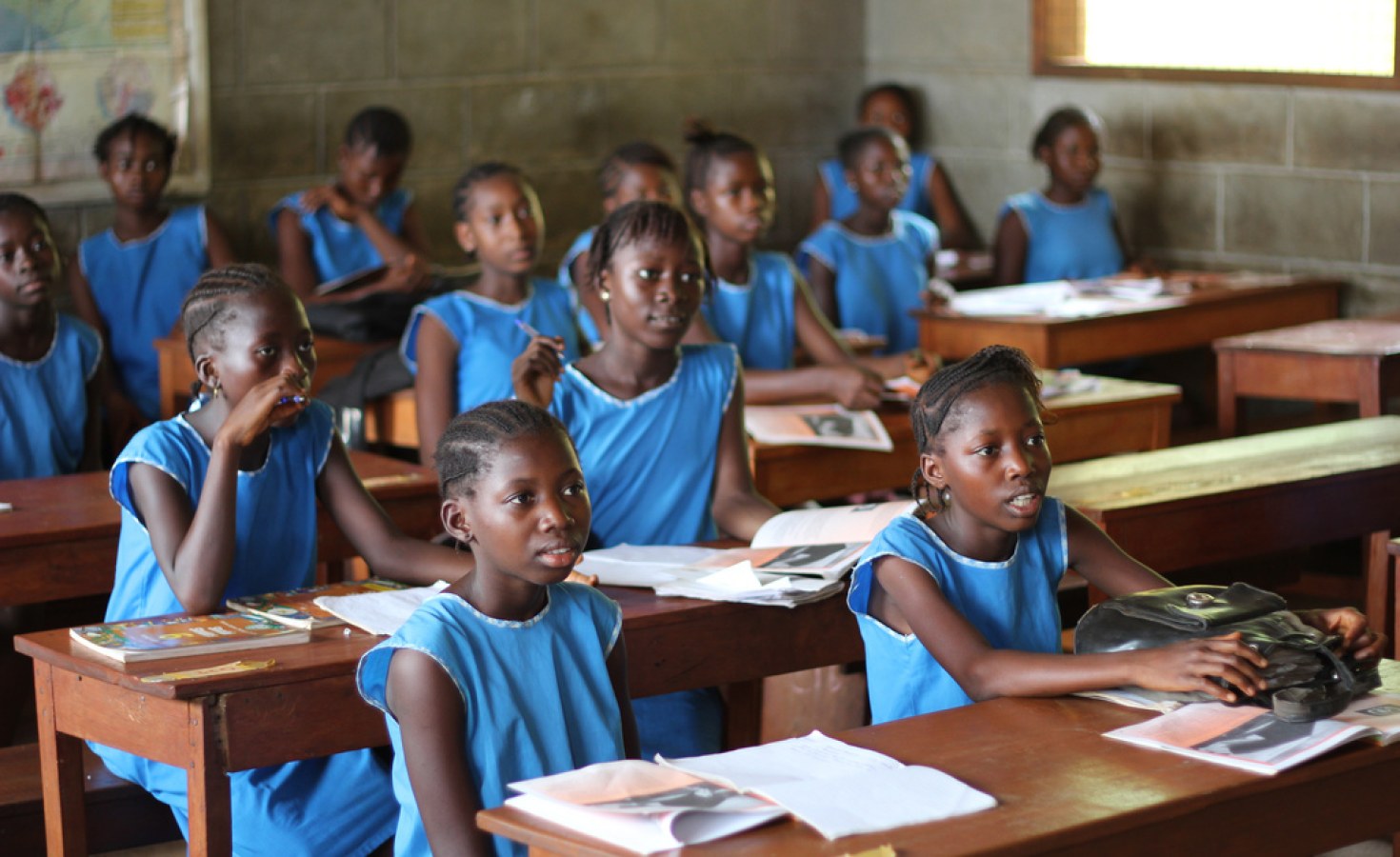
The recent decision by Nigerian Senate to summon top officials and launch a full-blown probe into the Safe School Initiative (SSI) reflects a deep national concern: despite billions spent, Nigerian schools remain dangerously vulnerable — a reality made painfully clear by recurring kidnappings and attacks.
What Triggered the Probe
The SSI was conceived in 2014 as a collective effort by government, private sector partners, and international agencies to protect learning institutions, especially after the abduction of hundreds of girls from a school in Chibok.
But over a decade later, the results have been catastrophic: more than 1,680 schoolchildren kidnapped and at least 180 educational facilities attacked since 2014.
Recent horror-flashpoints — like the abduction of dozens of girls from a school in Kebbi State and the mass kidnapping of pupils from a school in Niger State — have reignited outrage and underscored the urgency for accountability.
These tragic events prompted the Senate to act: on December 4, 2025, the upper chamber formally escalated investigations into the “collapse” of the SSI, summoning the Ministers of Finance, Education and Defence — along with security agencies — to explain how resources meant to protect children failed so spectacularly.
Scope of the Investigation: What the Senate Seeks to Uncover
The ad-hoc Senate committee, chaired by Orji Uzor Kalu, aims for a deep, comprehensive audit. The key focus areas include:
- Tracing every dollar and naira allocated to SSI from its inception to date — including the initial funds between 2014 and 2021, and more recent multi-billion-naira budget allocations for 2023–2026.
- Reviewing the effectiveness of implementation: Were security personnel deployed? Were early-warning systems and emergency-response mechanisms established? Did high-risk schools get physical infrastructure upgrades?
- Evaluating institutional accountability and partnerships — including federal ministries, state governments, donor agencies, school proprietors, and civil society, to understand who did or didn’t deliver on promised school-safety measures.
Senator Kalu emphasized that the goal is not a witch-hunt but a genuine effort to restore trust, secure schools, and ensure that parents and students can pursue education without fear.
The Stakes: What’s at Risk if SSI Failure Continues
The failure of SSI is not just a bureaucratic concern — it touches the core of Nigeria’s future. Here’s what’s at stake:
- Children’s Lives and Education: Repeated abductions and attacks are not only traumatizing but also disrupt education, forcing many to flee or drop out entirely. That undermines the goal of inclusive education for all.
- Public Trust in Institutions: Huge investments without tangible results erode faith in government initiatives and raise questions about oversight, corruption, and mismanagement.
- National Stability & Social Cost: A generation growing up under fear, unable to study safely — risks long-term social instability, brain drain, and a weakening of societal cohesion.
- Global Reputation & Development Goals: Nigeria’s commitment to child safety and education will be judged by how transparently it handles this crisis — affecting investor confidence, international partnerships, and its broader development narrative.