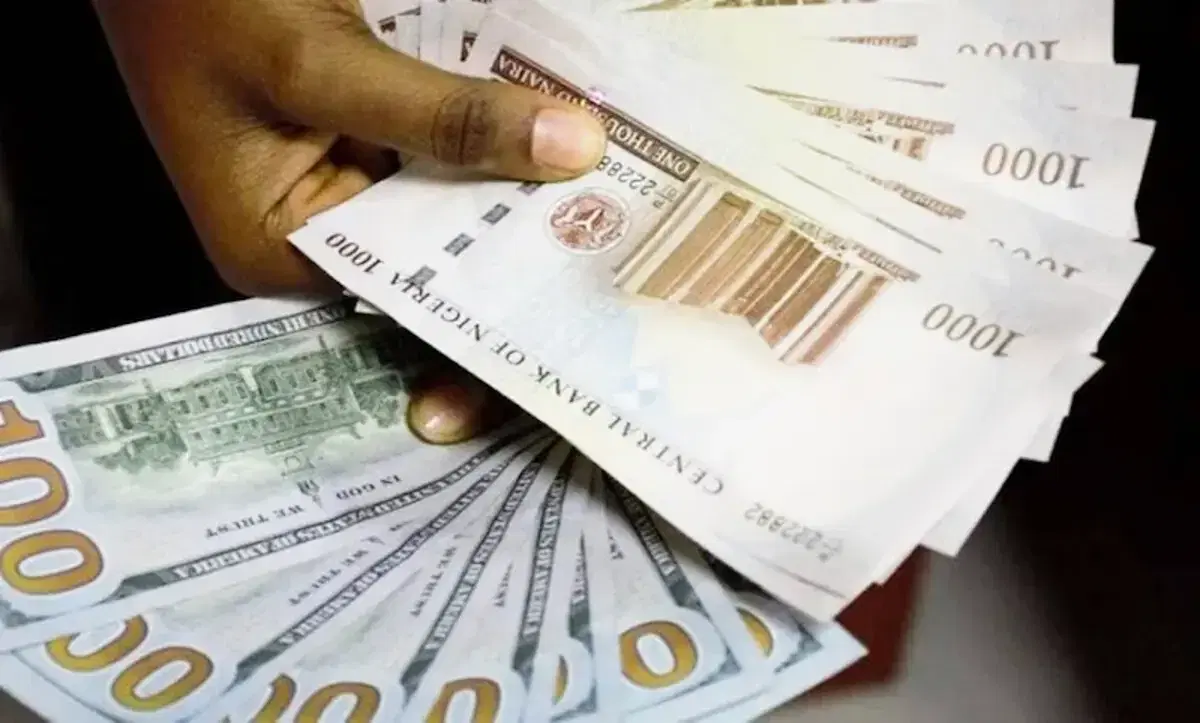
Recent reports show that loans and commitments from the World Bank to Nigeria between 2023 and 2025 are projected to total US $9.65 billion by the end of the period.
This boost in funding reflects multiple fresh approvals and disbursements across sectors such as infrastructure, health, education, governance, and economic reform programmes.
Where Nigeria Stands: Broader Debt Context
- As of March 31, 2025, total debt owed by Nigeria to the World Bank Group (which includes both the concessional arm International Development Association, IDA, and the non-concessional International Bank for Reconstruction and Development, IBRD) was about US $18.23 billion.
- The IDA portion alone stood around US $16.99 billion in early 2025.
- This means that the $9.65 billion projection refers to new commitments / loans approved between 2023–2025, not the total historic debt.
In other words: the World Bank remains Nigeria’s largest external/multilateral creditor — and the new borrowing adds substantially to an already large existing outstanding debt.
Why These Loans Are Critical (and Beneficial)
There are several reasons why such borrowing can be positive and strategically useful:
- Funding crucial development & infrastructure projects: The loans approved include support for rural infrastructure, healthcare strengthening, education, social-safety nets and economic-stabilization programmes.
- Soft / concessional financing: Much of Nigeria’s exposure to the World Bank is via the IDA, which typically offers favourable (low-interest or concessional) financing terms — often more manageable than commercial loans.
- Support for reforms and resilience: Some funding windows accompany broader reform agendas (fiscal, structural, social), which could help Nigeria build capacity, improve services, and support long-term economic stability.
In short — when well managed, borrowing from institutions like the World Bank can help finance essential services and development without resorting to expensive commercial debt.
The Risks: Debt Sustainability & Fiscal Pressure
However, the rising debt level also comes with significant risks and downsides:
- Growing external obligations — As World Bank loans accumulate (on top of other external debts), Nigeria’s external debt burden rises. As of mid-2025, total external debt stocks climbed, and World Bank loans now constitute a substantial portion (≈ 39–40%) of external debt.
- Debt-servicing strain — More loans mean future debt-servicing costs (interest + principal) that the government must budget for. If revenues don’t improve sufficiently, servicing costs can crowd out spending on other priorities. Many experts caution against overreliance on external borrowing for recurrent expenditures.
- Exchange-rate & forex-risk exposure — External debt denominated in foreign currency (e.g. US dollars) can become more expensive to service if Nigeria’s currency weakens or forex reserves shrink, increasing fiscal vulnerability.
- Dependence on borrow-and-build model — Frequent external borrowing risks creating a cycle where new loans are used to service old ones or fund recurrent expenses rather than strategic investments — potentially undermining long-term sustainability.
The Balancing Act: Opportunities & What to Watch
For Nigeria, the key challenge will be balancing borrowing for growth against ensuring debt sustainability. What to watch going forward:
- How the borrowed funds are used — Are they invested in productive infrastructure, health, education, economic-diversification sectors? Or are they funding recurrent costs? Productive investment can support growth and revenue generation, justifying borrowing.
- Fiscal discipline & revenue mobilisation — More domestic revenue (from taxes, economic growth, non-oil sectors) helps service debt and reduces need for future loans. External borrowing should remain strategic and limited.
- Transparency and accountability — Public scrutiny, transparency in terms of loan use, procurement, and project implementation helps ensure Nigeria gets value for borrowed funds and reduces corruption risks.
- External environment / currency & global conditions — Stability of the naira, access to foreign exchange, commodity prices (oil, exports), and global interest rates will all influence how manageable the debt burden remains.
- Debt-to-GDP ratio and long-term sustainability metrics — Tracking how debt grows relative to economic output will determine whether Nigeria remains able to service obligations without compromising development.