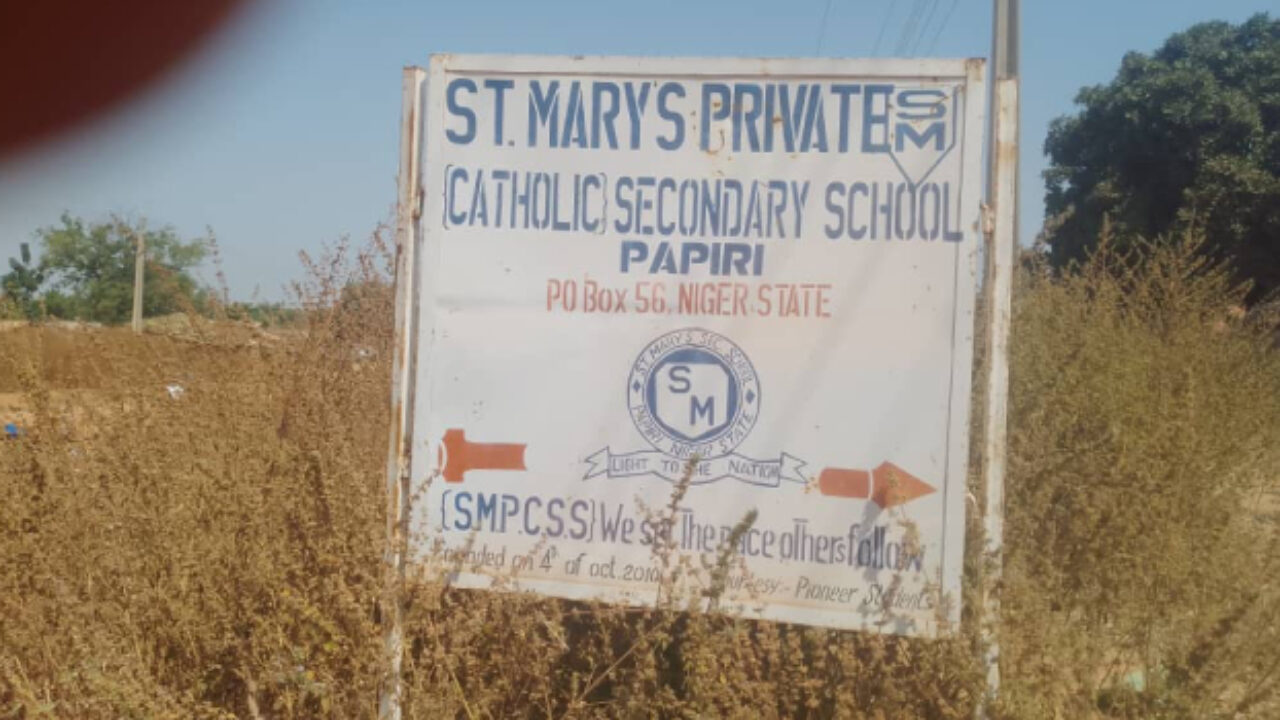
On the night of November 21, 2025, gunmen descended on St. Mary’s Catholic Primary and Secondary School in Papiri, located in Agwara Local Government Area of Niger State. In what soon became one of the worst school abductions in recent Nigerian history, assailants invaded the school dormitories in the early hours, abducting students and teachers.
After a verification exercise by Christian Association of Nigeria (CAN), the toll was raised to 315 people — comprising 303 students and 12 teachers. Initially, CAN reported 227 victims, but as more students initially believed to have escaped were found to be abducted, the numbers climbed.
In the immediate aftermath, over 50 students reportedly escaped and reunited with their families. Still, hundreds remained in captivity. The state government ordered a shutdown of all schools in Niger State as a precautionary measure.
A surprising plea — Some parents want the school reopened
While many assumed the likely outcome would be permanent closure — at least in the short term — some parents have made a deeply emotional, courageous appeal: they want the school to stay open. According to the bishop representing CAN in Niger State, amidst tearful pleas from bereaved parents following the abduction, one parent begged that “even with this thing that has happened, the school should continue.”
Church and school officials say they share that hope. They have pledged to “do everything to make sure that that school continues,” asserting readiness to support students returning to class.
Why this reaction amid trauma and fear? For many of these parents, closing the doors permanently would mean robbing their children — not just of daily schooling, but of hope, progress, and a sense of normalcy after such a harrowing ordeal.
What drives the call to reopen: More than just school
- Preservation of Hope and Normalcy: For many families, the school isn’t just a place of learning — it’s a part of their community identity and their children’s future. Keeping it alive sends a signal that terror will not define or define their lives.
- Avoiding Educational Disruption: A prolonged closure risks derailing the academic progress of not only abducted or affected children, but entire cohorts of students already enrolled. Parents worry about the long-term impact on education and future prospects.
- Community Resilience over Fear: Reopening becomes an act of defiance — a public stand against bandits and terror, showing that the community refuses to bow down. It may restore morale and collective strength.
- Faith in Rescue Efforts & Government Promise: With recent partial release of some students and assurances from authorities, some parents believe enhanced security arrangements + oversight can make reopening feasible.
What it would take — Risks and safeguards if the school reopens
Reopening under current circumstances is not a simple decision. It would require serious, concrete measures:
- Robust Security Infrastructure: Dormitories and classrooms must be protected by security personnel, perhaps in coordination with local security agencies, community vigilantes, or church-state security arrangements.
- Rigorous Vetting & Crisis Preparedness: Authorities — both government and the school administration — must have effective early-warning systems, evacuation plans, and support frameworks in place.
- Psychosocial Support: Students, families, and staff need counseling and trauma-healing services to cope with the aftermath; returning to class could bring back painful memories without support.
- Transparent Communication: Parents, community members, and students must be kept informed of all security developments, rescue efforts, and plans to safeguard them — to rebuild trust.
- Collective Will & Community Consensus: The decision can’t be unilateral; it needs collective buy-in from parents, school management, religious leaders, community elders, and security stakeholders.
What the broader debate reveals — Education, security, resilience
The plea to keep the school open underscores a harsh reality many communities across Nigeria face: the constant tension between security concerns and the fundamental right to education. Closing schools indefinitely in the face of banditry may feel safe, but it also implies surrender — potentially condemning children to lost opportunities, disrupted futures, and educational neglect.
By calling for reopening, parents and community leaders are expressing a powerful message: terror will not go unchallenged; education must not become collateral damage. If managed with care, transparency, and real security measures, the reopening could become a symbol of resilience and refusal to yield to fear.
On the other hand — and this must be acknowledged — reopening too soon or without safeguards might expose children to renewed danger. The psychological and emotional toll may linger, and trust could be fragile.