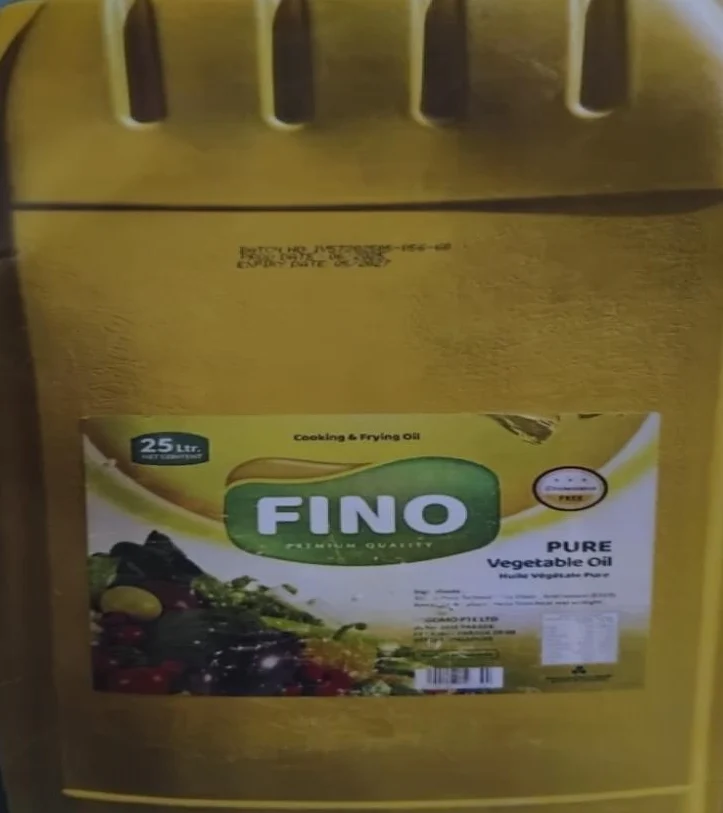
The food-safety watchdog NAFDAC has issued a fresh warning to Nigerians about a rising flood of unregistered and substandard edible oils circulating across markets nationwide.
According to the agency, products under names such as “FINO,” “PUR,” “OKI,” “SUPER DELICIEX,” and “LA JONIC” — among others — have been identified as unregistered, and their origins, manufacturing processes, and safety credentials remain unknown. These items are reportedly being smuggled into Nigeria and openly sold in major markets across many cities, including Lagos, Onitsha, Aba, Kano, Port-Harcourt, Calabar, Bauchi, Maiduguri and more.
NAFDAC emphasised that these oils bear no identifiable manufacturer details nor valid NAFDAC registration numbers (NRN), and are missing from the agency’s official database, meaning their safety cannot be guaranteed. The public is urged to be vigilant — and to report any suspected unregistered or substandard edible oils to the nearest NAFDAC office.
Why This Matters — Health Risks, Hidden Contaminants, & More
- Unknown origin & unregulated quality: Oils without registration or known source “could have been produced with unhygienic methods, contaminated, or adulterated” making their safety highly questionable.
- Potential contamination and long-term health hazards: Experts warn that unbranded oils may lack essential fortification (e.g. vitamin A), may be stored in poor conditions, or even contaminated with dust, chemicals, or degraded fats — all of which can compromise nutritional value and increase risk of food poisoning, organ damage, or chronic diseases.
- Compromised micronutrient supply: Properly regulated edible oils should deliver nutrients like vitamin A. Unbranded/unregistered oils rarely meet these standards — meaning households using them may miss out on critical nutrition, a concern for children and vulnerable populations.
- Lack of traceability and accountability: Without packaging information, expiry dates, registration numbers, or manufacturer details, consumers have no means to verify authenticity, trace product recall, or hold anyone accountable if adverse health outcomes occur.
What Has Been Happening — Context & Precedents
This alert from NAFDAC builds on a pattern: over recent years the agency has repeatedly discovered and destroyed substandard, expired or unregistered products — including food items, cosmetics, medicines, and processed foods — across Nigeria.
Specifically around oils: in prior operations, the agency seized petrol tankers that were illegally used to transport vegetable oil — a dangerous practice given the risk of petroleum residue contaminating food oil.
Also, regional NAFDAC offices have previously warned consumers about adulterated palm oil being sold in some markets — where marketers reportedly add chemicals to change colour or conceal spoilage — further underlining the public health challenge posed by unscrupulous traders.
What Should Consumers Do Right Now — Tips for Staying Safe
- Check for a valid NAFDAC registration number (NRN) before buying any edible oil. If there’s no NRN or manufacturer information — avoid it.
- Prefer branded and properly packaged oils over unmarked or loosely sold oils (e.g. oils from reused drums, repackaged bottles, open containers). Branded oils are more likely to meet safety and fortification standards.
- Be wary of unusually cheap oils — extremely low prices may signal substandard, smuggled, or adulterated products.
- Report suspicious products: If you see edible oils without registration labels or credible packaging, report them to the nearest NAFDAC office. Regulatory agencies depend on public vigilance to curb unsafe products.
- Be especially careful with vulnerable groups: Children, pregnant women, and people with health conditions should avoid uncertain food items — including unbranded oils — to minimise risk of contamination or deficiency.