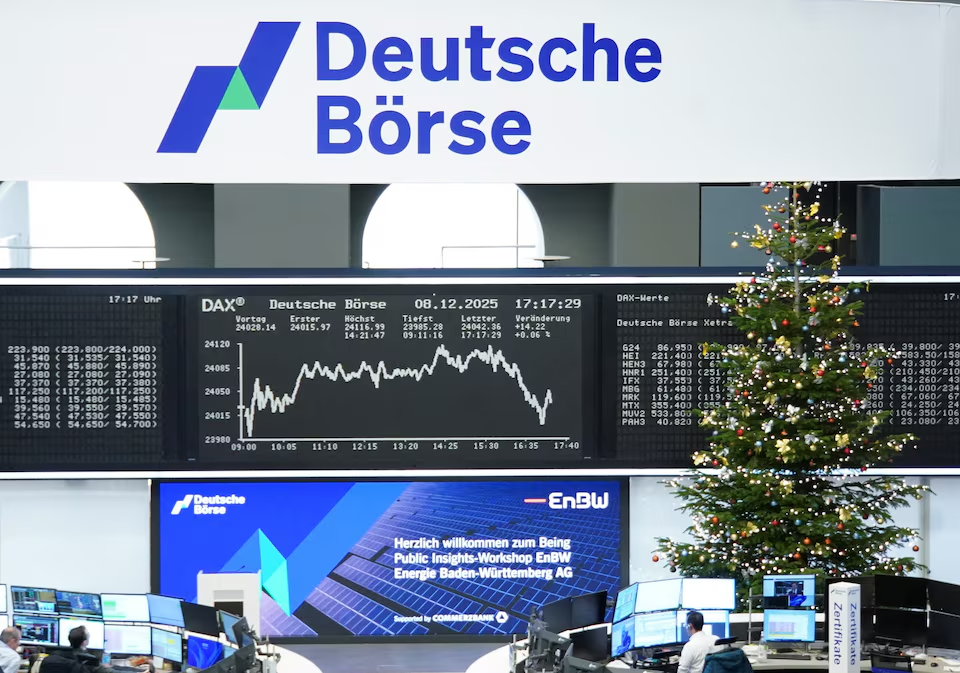
Global stock markets slipped as investors held their breath, awaiting the much-anticipated interest rate decision from the U.S. Federal Reserve. A tepid session on Wall Street set the tone, prompting caution worldwide as markets weighed the implications of any change in U.S. monetary policy.
The nervousness was further fuelled by recent earnings reports from major technology firms such as Oracle and Broadcom — and an undercurrent of concern over a possible artificial-intelligence-fueled bubble in the tech sector.
What Drove the Decline: Key Market Dynamics
Interest-Rate Watch: The Fed’s Decision Is Everything
Markets globally are sensitive to changes (or anticipated changes) in U.S. interest rates because of the outsized influence of the U.S. economy and dollar on global capital flows. A rate cut — or even hints about future policy — tends to shift global capital flows towards risk assets (like equities), whereas uncertainty can trigger caution and sell-offs.
Ahead of the meeting, many investors were bracing for a possible 25-basis-point rate cut, though the mood remained cautious given some uncertainty among Fed officials.
Tech Earnings & Bubble Fears Add to Unease
The market jitters were compounded by mixed results and cautious guidance from major tech firms — especially at a time when enthusiasm for AI-related growth stocks is already high. That raised fears that valuations may have become overheated, causing investors to take a step back and reduce exposure to risk.
Global Spillovers — It’s Not Just About the U.S.
When the Fed moves (or markets expect it to), it doesn’t just affect U.S. stocks or bonds — the ripple effects are global. Emerging markets, currencies, commodity prices, and global trade flows can all be affected as interest‐rate expectations shift. For many investors around the world, that creates a moment of caution: sell first, wait for clarity.
What Observers Are Watching Closely
- The Fed’s official decision, including the size of any rate cut and whether the committee signals further easing or stands firm. Markets will react sharply to anything unexpected.
- Comments by the Fed Chair post-meeting, which could indicate where the economy and monetary policy might head in 2026. A cautious tone could dampen risk appetite globally.
- Earnings from major global companies, especially in sensitive sectors like tech, which remain vulnerable to changes in interest-rate environments and investor sentiment.
- Movements in currency markets and emerging-market assets, since capital flows may shift depending on yield expectations — changes that could impact economies outside the U.S. especially hard.
What This Means for Investors & Markets — Short-Term & Beyond
- Heightened volatility: Expect choppier markets in the immediate aftermath of the Fed decision, as investors digest the news and reposition portfolios accordingly.
- Rotation in asset classes: A rate cut could boost risk assets (stocks, emerging-market equities), while a hawkish stance might push capital toward safer assets (bonds, cash, defensive stocks).
- Global ripple effects: For investors in Africa, Asia, Latin America — or any region tied to global trade and capital flows — Fed moves still matter. Changes could affect currency valuations, capital inflows, trade financing, and broader economic conditions.
- Cautious optimism: If the Fed cuts but signals caution, markets might rally modestly — but investors may prefer quality over speculative bets, especially in tech or high-growth sectors.



The market was tense as investors eagerly awaited the Fed’s decision. Uncertainty loomed large, fueling fear that any change in interest rates could have significant impacts on global economies. As markets held their breath, they pondered what the Fed might say during its upcoming meeting, with stock prices dipping before the anticipated news report.
You are a helpful assistant