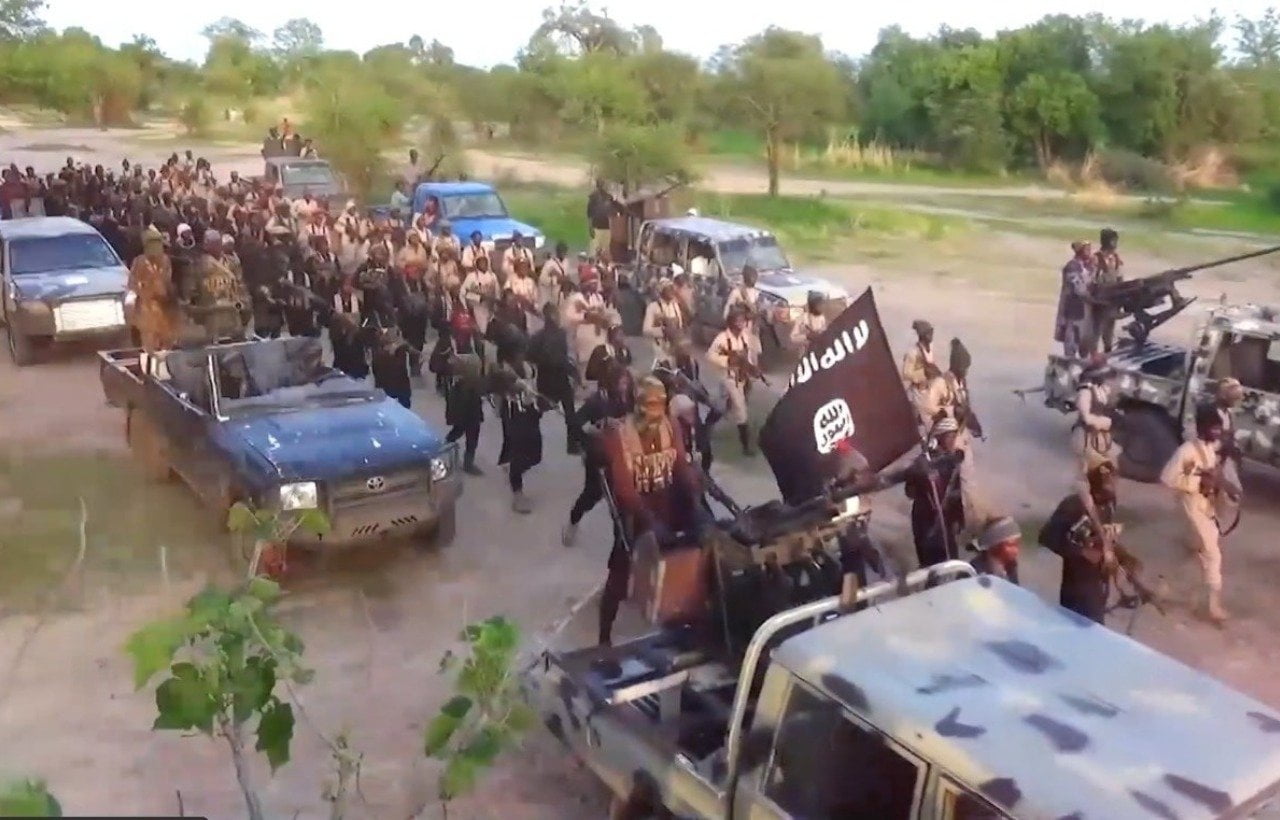
In a disturbing development reflecting continued insecurity in Nigeria’s North East, members of the Islamic State in West Africa Province (ISWAP) have reportedly executed a local village chief in Borno State, accusing him of acting as a spy for Nigerian security forces. The incident occurred in Yawal Kawa Village, deepening concerns over the escalating insurgency and the vulnerability of traditional leaders in the region.
According to eyewitness reports, ISWAP fighters publicly executed the community leader, whose identity has been withheld pending confirmation from local authorities. The militants accused him of colluding with Nigerian military and intelligence operatives—allegations common in areas where insurgents seek to enforce control and intimidate local communities.
A Pattern of Brutality by ISWAP
ISWAP, an offshoot of the broader Boko Haram insurgency, has repeatedly demonstrated ruthless enforcement within territories it controls or contests in the North East. Over the years, the group has targeted both civilians and its own members in extrajudicial killings for perceived disloyalty or threats to its operations.
In past cases, ISWAP fighters have executed suspected informants, commanders, and even members deemed to have facilitated military actions against the group. These executions serve both as punishment and as a grim warning to others who might cooperate with security agencies.
The Human Cost to Local Communities
The killing of a community leader under accusations of spying reflects the heavy burden borne by civilians in insurgency-affected zones like Borno. Traditional authorities often find themselves in precarious positions, trying to protect their communities while navigating pressures from both state security forces and insurgent groups.
For residents, such killings have deep psychological and social impacts:
- Erosion of trust and community cohesion, as fear discourages cooperation with authorities.
- Heightened risk of reprisals from insurgents against those perceived to be aligned with government forces.
- Displacement and trauma, as families and neighbours flee violence or fear for their safety.
These dynamics make daily life perilous for many communities across Nigeria’s North East, where insurgent influence remains a persistent challenge.
Government and Military Response
While the Nigerian military continues to conduct operations under efforts like Operation Hadin Kai to disrupt insurgent networks and reclaim territory, incidents like this execution underscore the ongoing complexity of the conflict. Government forces have reported tactical successes including neutralising terrorist fighters and capturing suspects, yet insurgent reprisals against civilians persist.
Security analysts stress that community protection and intelligence cooperation are vital to weakening groups like ISWAP. However, without improved safeguards for civilians and local leaders, the risk of further violence remains high.
What This Means for Borno State
The execution of a village chief in Borno highlights several ongoing challenges:
Risk to Community Leaders: Traditional authorities are increasingly targeted, making it harder for civil society structures to function.
Insurgent Intimidation: ISWAP’s use of public executions is intended to instill fear and suppress any perceived dissent or cooperation with state forces.
Security Gaps: Despite military efforts, insurgents still maintain the capacity to exert influence and carry out violent acts in rural areas.