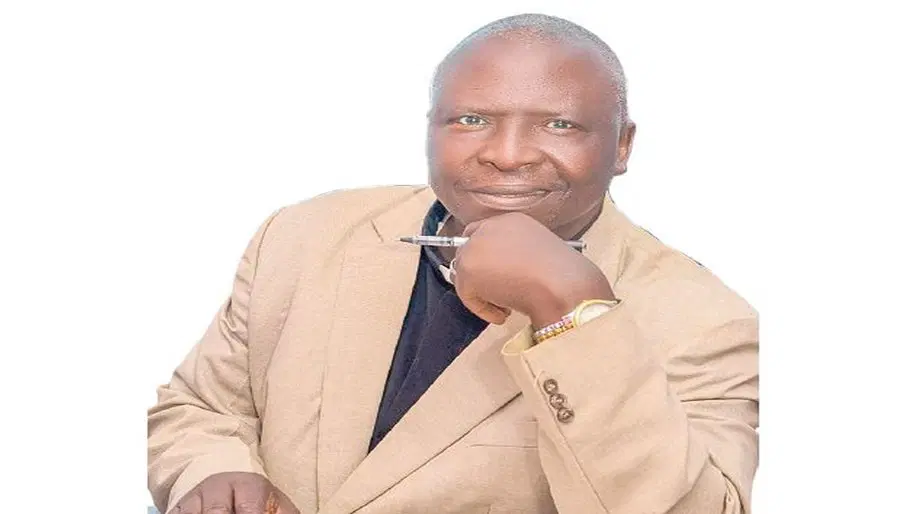
In a moment that has captured both national and international attention, Rev. Ezekiel Dachomo, a renowned Nigerian pastor and human-rights advocate, has voiced a resolute and deeply emotional reaction to a recent visit by U.S. lawmakers to Benue State, a region long marred by violent conflict and mass displacement. His remarks resonate with communities grappling with insecurity and echo a broader call for justice, global awareness, and change.
A Turning Point in International Attention to Benue’s Crisis
Rev. Dachomo’s comments came in response to a high-profile fact-finding mission by a delegation of United States Congress members, led by Congressman Riley M. Moore. The lawmakers toured Benue to assess the humanitarian situation, holding meetings with state religious leaders, traditional authorities, and internally displaced persons (IDPs) who have fled violence in their home communities.
The U.S. delegation heard heart-wrenching testimonies, including accounts of families torn apart by violence and communities forced into displacement. Such eyewitness narratives left a profound impression on the visitors, prompting calls for deeper international engagement on behalf of affected Nigerians.
In his reaction, Rev. Dachomo emphasised the long struggle he has endured for speaking out about the plight of persecuted and displaced Christians across Nigeria’s Middle Belt. He acknowledged enduring criticism and attempts to silence his voice, including the disabling of his social media account, but declared firmly that “truth cannot be hidden forever.” According to him, the increasing global attention — reflected in the U.S. lawmakers’ visit — is a sign that the long-suppressed reality of suffering is finally being recognised.
Standing on the Side of Truth: Rev. Dachomo’s Message of Hope
Rev. Dachomo, who heads the Church of Christ in Nations (COCIN) and has tirelessly documented violence and insecurity for years, spoke not only about hardship but also about hope and divine assurance. He reminded believers and communities that, despite attempts to suppress truth, the light of truth will always prevail, invoking spiritual conviction as a source of strength amid adversity.
In his words, help is not just a distant promise — it is coming. This message resonated strongly with many Christians who have felt marginalised and ignored amid ongoing insecurity. His declaration that “Christ is the Way, the Truth, and the Life” reflected both a theological grounding and a moral stand against the deepening crisis affecting vulnerable communities.
Context: Benue’s Protracted Insecurity and International Scrutiny
Benue State has been at the centre of persistently violent clashes involving armed groups, clashes between herders and farming communities, and attacks on civilians. This prolonged insecurity has forced hundreds of thousands from their homes and created expansive IDP camps within the state. The humanitarian crisis has, over time, drawn both national concern and international focus.
The U.S. delegation’s visit — which included meetings with religious leaders and traditional rulers — reflects escalating international engagement on the issue. Their testimonies and documentation are feeding into discussions in Washington about how best to respond to human rights violations and displacement crises in Nigeria.
A Wider Debate: Diverse Reactions to the U.S. Visit
The U.S. lawmakers’ mission has not gone unchallenged within Nigeria. Some groups and communities have criticised the delegation’s itinerary and focus. For instance, youth activists from certain ethnic regions of Benue expressed frustration that parts of the state — particularly areas outside the main visitation zones — were not included in the fact-finding trip. These reactions signal broader concerns about representation and the need for inclusive engagement that reflects the full scale of the crisis.
Such sentiments underscore that the conflict and displacement affecting Benue and surrounding regions encompass multiple communities and ethnic identities, all grappling with insecurity and yearning for peace, justice, and meaningful intervention.
The Moral Weight of International Witnessing
Rev. Dachomo’s words carry not only spiritual resonance but also a moral urgency. By affirming that truth will ultimately prevail and that help is on the horizon, he frames the crisis in ethical terms — as an issue that cannot be ignored or suppressed indefinitely. His stance conveys confidence that global awareness can translate into action, whether through policy engagement, humanitarian support, or increased pressure on stakeholders to address the root causes of violence.
Looking Forward: From Awareness to Action
While the visit by U.S. lawmakers has generated headlines and renewed discussion, the next critical step will be what happens beyond awareness. Will global attention translate into coordinated strategies that help reduce violence, protect vulnerable civilians, and support long-term peacebuilding in Nigeria? Rev. Dachomo’s remarks suggest that communities are watching, expecting not only visibility but real, tangible change.
His encouragement to the displaced, persecuted, and voiceless is clear: their suffering is being seen, their stories are being heard, and truth — long silenced — cannot be buried forever.