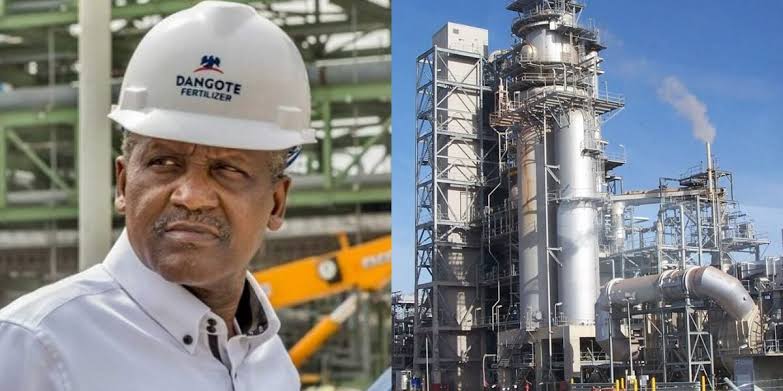
In a bold announcement set to reshape Nigeria’s fuel market, Aliko Dangote, President of the Dangote Group, has declared that petrol will begin selling at ₦739 per litre starting Tuesday at select stations, marking a notable drop in pump prices and signaling a fresh push to make fuel more affordable for consumers across the country.
This development comes amid broader efforts by local industry players to reduce the cost of Premium Motor Spirit (petrol) as the country grapples with domestic production challenges and persistent price volatility.
A New Petrol Price Benchmark in Nigeria
According to statements from Dangote’s leadership, the new price of ₦739 per litre will be enforced from Tuesday at MRS Oil & Gas filling stations initially, with plans for broader rollout to additional outlets. The announcement underscores Dangote’s commitment to “fight to crash prices,” a promise that has captured public attention as Nigerians struggle with rising living costs and high transportation expenses.
Industry observers note that this move is part of a strategic pricing approach by the Dangote Petroleum Refinery, which has been progressively adjusting petrol prices to make them more competitive in the local market.
The Journey to Lower Petrol Prices
Earlier in the week, the Dangote Petroleum Refinery cut its petrol ex-depot (gantry) price from around ₦828 to approximately ₦699 per litre, a significant drop that marks one of the most aggressive pricing adjustments seen this year. This move was widely seen as a challenge to traditional pricing dynamics and a direct attempt to ease the cost burden on Nigerians ahead of the festive season.
The refinery’s efforts to undercut high retail prices are aligned with growing pressure on suppliers and regulators to address persistent fuel price spikes. With smuggling and import dependency complicating the energy landscape, pricing reforms at the refinery level are seen as a major step toward stabilizing the market.
What This Means for Consumers
For everyday Nigerians, a drop in petrol prices — even incremental — can have widespread impact on household budgets, transportation costs, and the prices of goods and services. Fuel accounts for a major portion of logistics and travel expenses throughout the country, and lower prices at the pump can seemingly help ease inflationary pressures.
Motorists and transport unions have welcomed the move, expressing hope that this trend will continue and expand beyond limited filling stations to nationwide retail outlets.
Industry Context and Competitive Pressure
Nigeria’s refining sector has historically been challenged by underperforming state refineries and heavy dependence on fuel imports—a situation that has often kept petrol prices elevated despite being Africa’s largest oil producer. Even as Dangote’s refinery strives to produce at scale, imported refined products and administrative costs still influence overall retail pricing.
By offering petrol at a lower price point, Dangote’s operations are placing competitive pressure on other suppliers and forcing a reevaluation of pricing strategies across the value chain.