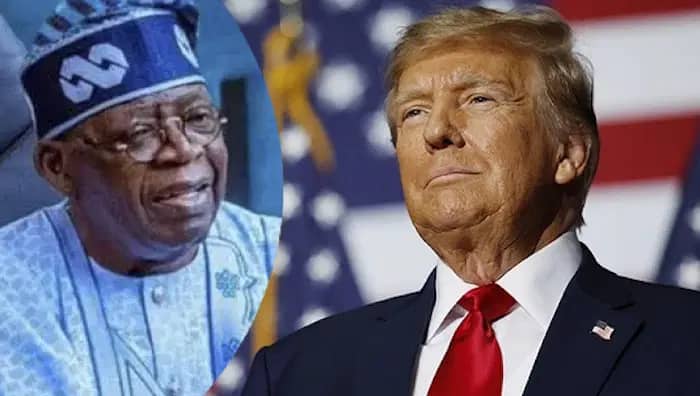
The United States and Nigeria are reportedly nearing the finalization of a strategic security framework aimed at addressing escalating insecurity in Nigeria’s northern and central regions. The agreement, which has been in development for several months, is designed to strengthen bilateral cooperation in counter-terrorism, intelligence sharing, and the protection of civilians, particularly in communities affected by targeted attacks.
US Congressman Riley Moore, who recently completed a fact-finding mission to Nigeria, disclosed that discussions with Nigerian officials and community leaders had been highly constructive. During his visit, he met with National Security Adviser Nuhu Ribadu, Attorney General of the Federation Lateef Fagbemi, and religious and traditional leaders in key Middle Belt states, including Benue and Plateau. Moore emphasized that the talks reflected a mutual commitment to combating violent extremism while protecting vulnerable populations.
A central focus of Moore’s visit was the issue of alleged persecution of Christian communities in Nigeria. Reports of violent attacks by extremist groups, particularly in the Middle Belt, have drawn international concern, with some observers labeling the attacks as targeting Christians specifically. While Nigerian authorities strongly reject the characterization of genocide, asserting that insecurity affects all citizens regardless of religion, Moore stressed the importance of ensuring civilian protection and accountability for attacks. He indicated that the framework under development would balance efforts to combat terrorism with measures to safeguard vulnerable communities.
The announcement of the emerging strategic framework comes amid increased US scrutiny of Nigeria’s religious freedom record. Earlier this year, Nigeria was designated a “Country of Particular Concern” by the United States, a decision intended to highlight alleged violations of religious liberty. The move generated domestic and international debate over the role of foreign intervention in Nigeria’s internal security affairs. In response, Nigerian officials have maintained that the nation’s security challenges are multifaceted and that cooperation with the US should focus on intelligence sharing, technology transfer, and coordinated action against extremist groups rather than punitive labeling.
According to statements from the US delegation, the framework is expected to encompass a series of coordinated initiatives aimed at dismantling violent networks, improving intelligence mechanisms, and ensuring community protection. Technical collaboration will include strengthening Nigeria’s security forces through training and operational support, while monitoring and accountability measures will ensure that attacks targeting any community are addressed effectively. Analysts suggest that successful implementation of the framework could significantly enhance Nigeria’s capacity to tackle insurgency, banditry, and communal violence.
The potential implications for Nigeria’s security landscape are considerable. The agreement could reinforce ongoing counter-terrorism operations while promoting sustained cooperation between Nigeria and the United States. Experts caution, however, that careful execution is essential to avoid perceptions of foreign interference and to ensure that all citizens benefit from enhanced security measures. Observers note that the framework has the potential to serve as a model for international collaboration on combating extremism, provided it emphasizes transparency, inclusivity, and civilian protection.
The framework is expected to be formally finalized in the coming months, with teams from both countries working to operationalize its provisions. Moore indicated that the agreement would provide a roadmap for long-term security collaboration while keeping humanitarian concerns, particularly the protection of vulnerable communities, at the forefront. Stakeholders both locally and internationally will be closely monitoring how the framework translates into practical action on the ground and whether it contributes to a tangible reduction in violence.