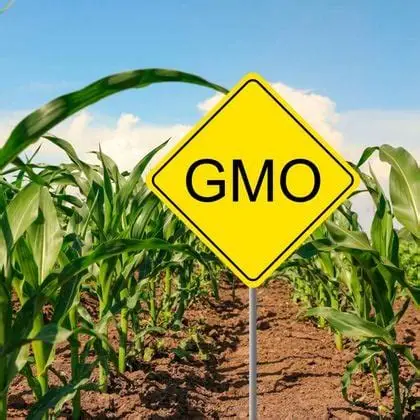
Concerns over food safety, public health, and environmental sustainability have once again taken center stage as a coalition of civil society organisations, consumer rights advocates, and environmental groups renewed calls for a total ban on genetically modified organism (GMO) foods in Nigeria. The coalition warned that the continued approval and circulation of GMO products could pose long-term risks to citizens and undermine the country’s food sovereignty.
The renewed advocacy signals growing tension between biotechnology promoters and groups demanding stricter safeguards around what Nigerians consume.
Rising Pressure on Government and Regulators
At the heart of the coalition’s campaign is a demand for stronger government intervention. The group urged relevant authorities to immediately halt the approval, importation, and cultivation of GMO foods until comprehensive, independent studies confirm their safety.
According to the coalition, regulatory agencies must prioritize public interest over commercial considerations, stressing that Nigerians deserve full transparency about the food on their tables. They argued that current oversight mechanisms remain inadequate to address the potential health and environmental implications of genetically modified crops.
Health and Environmental Concerns Take Center Stage
Coalition members expressed deep concerns about the possible long-term health effects of GMO foods, citing fears of allergic reactions, antibiotic resistance, and other emerging health risks. While acknowledging ongoing global debates, they maintained that Nigeria should adopt a precautionary approach, especially given the country’s limited capacity for long-term health monitoring.
Environmental risks were also highlighted, including fears that genetically modified crops could contaminate indigenous plant varieties, disrupt ecosystems, and reduce biodiversity. The coalition warned that once GMO crops are released into the environment, reversing their impact becomes extremely difficult.
Food Sovereignty and Farmers’ Rights
Another major issue raised was food sovereignty. The coalition argued that widespread adoption of GMO seeds could place Nigerian farmers at the mercy of multinational corporations that control seed patents and distribution.
They cautioned that dependence on proprietary seeds could erode traditional farming practices, increase production costs, and threaten the livelihoods of smallholder farmers who form the backbone of the country’s agricultural sector. Protecting local seeds, they said, is essential for long-term food security and economic independence.
Demand for Transparency and Consumer Choice
The coalition also criticized what it described as inadequate labeling and public awareness around GMO products. They insisted that Nigerians have the right to know what they are consuming and to make informed choices about their food.
Calls were made for clearer food labeling policies, wider public education campaigns, and open stakeholder engagement to ensure consumers are not unknowingly exposed to genetically modified foods.
Divided Opinions on Biotechnology
While critics push for a ban, supporters of biotechnology argue that GMO crops can help boost agricultural productivity, enhance resistance to pests and climate stress, and reduce food shortages. However, the coalition countered that such benefits should not come at the expense of public health, environmental sustainability, and farmers’ autonomy.
They maintained that alternative solutions such as agroecology, improved traditional breeding, and better farm support systems offer safer and more sustainable paths to food security.
A Renewed Call for Legislative Action
As part of their renewed push, the coalition called on lawmakers to revisit existing biosafety laws and strengthen legislative oversight. They urged the National Assembly to prioritize the issue and ensure that Nigeria’s food policies align with public interest, environmental protection, and long-term national development goals.
The group warned that failure to act decisively could expose future generations to avoidable risks and deepen public mistrust in food regulation systems.