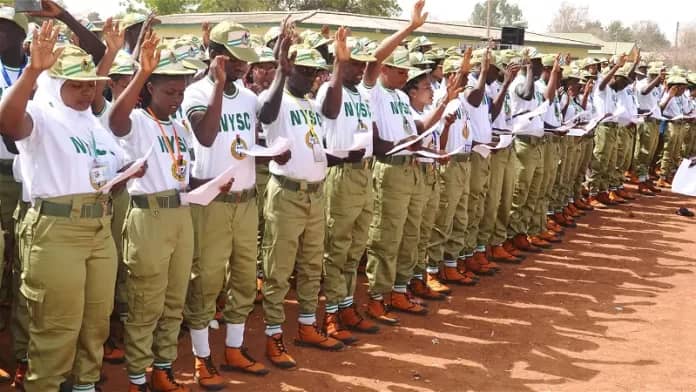
In a move that underscores the National Youth Service Corps’ (NYSC) unwavering commitment to discipline and adherence to its regulations, the scheme has extended the service year of 16 corps members in Sokoto State due to various acts of misconduct, including abscondment, chronic absenteeism, and breaches of NYSC rules. The announcement was made by the NYSC State Coordinator, Alhaji Usman Yaro, during the passing-out ceremony of the 2024 Batch C, Stream 2 corps members held in Sokoto.
A Clear Message on Discipline and Accountability
Yaro explained that the NYSC operates a zero-tolerance policy for truancy and indiscipline, reiterating that maintaining the integrity of the scheme depends on strict enforcement of its regulations. As a result, the affected corps members will serve an extended service year, a punitive measure designed not only to correct behaviour but also to uphold the values that the NYSC seeks to instil in all participants.
This disciplinary action reflects the longstanding philosophy of the NYSC: that reward comes with responsibility, and that service to the nation must be carried out with professionalism, dedication, and respect for the rules governing the programme.
Highlighting Excellence Amid Sanctions
While addressing the graduates, the coordinator also took the opportunity to celebrate exemplary contributions by others. Two corps members were honoured with the prestigious Sultan Sa’ad Abubakar Award in recognition of their exceptional work in improving the living standards of their host communities. These awards serve as an important reminder that outstanding service and community impact are acknowledged and celebrated within the NYSC framework.
Sokoto Government and NYSC Collaboration
In his remarks, Yaro expressed appreciation for the support of the Sokoto State Government, particularly Governor Ahmed Aliyu, for sustaining state allowances for corps members throughout the service year. He also recognised the Sultan of Sokoto’s ongoing support for the NYSC, highlighting the importance of community and traditional leadership in reinforcing the objectives of the service year.
Such collaborative support plays a significant role in empowering corps members and ensuring that they fulfil their mission of national unity and development with adequate backing from both government and community institutions.
Deployment and Impact Across the State
Reaffirming the core purpose of the NYSC, Yaro noted that a significant number of corps members were posted to rural areas, consistent with the scheme’s mandate to promote grassroots development. Many of these members were deployed to schools, contributing to efforts to strengthen the education sector in Sokoto State. At the same time, medical personnel were deployed to underserved communities, helping to bridge manpower gaps in the health sector and deliver vital medical services to rural residents.
Additionally, partnerships with institutions such as the Bank of Industry were highlighted for supporting corps members with training and business development assistance, particularly through the Skills Acquisition and Entrepreneurship Development (SAED) programme. These initiatives aim to equip young graduates with practical skills and tools for financial independence beyond their service year.
The NYSC Experience: Lessons, Challenges, and Growth
The extension of service for these corps members serves as both a reminder and a lesson: the NYSC is not merely a statutory obligation but a formative experience meant to shape character, discipline, and national consciousness. While sanctions may be seen as stern, they are part of the broader ethos of the scheme, which emphasises personal responsibility and public service.
For the majority who serve faithfully, the service year offers opportunities for community engagement, personal development, and professional growth. It also reinforces the importance of consistent attendance, commitment to assignment, and positive contributions to host communities.
Looking Ahead
As the 2024 Batch C, Stream 2 corps members conclude their service year, the NYSC continues to champion a culture of accountability, service, and national unity. The actions taken in Sokoto send a clear signal: discipline and dedication are foundational to the NYSC’s mission, and measures will be taken to ensure that the scheme’s objectives are upheld.
At the same time, recognising those who excel — as the Sultan Sa’ad Abubakar Award recipients were — highlights the NYSC’s dual commitment to correcting indiscipline while celebrating commendable service that positively impacts communities.
This balanced approach reinforces the NYSC’s enduring role in shaping Nigeria’s youth into responsible citizens and agents of development.