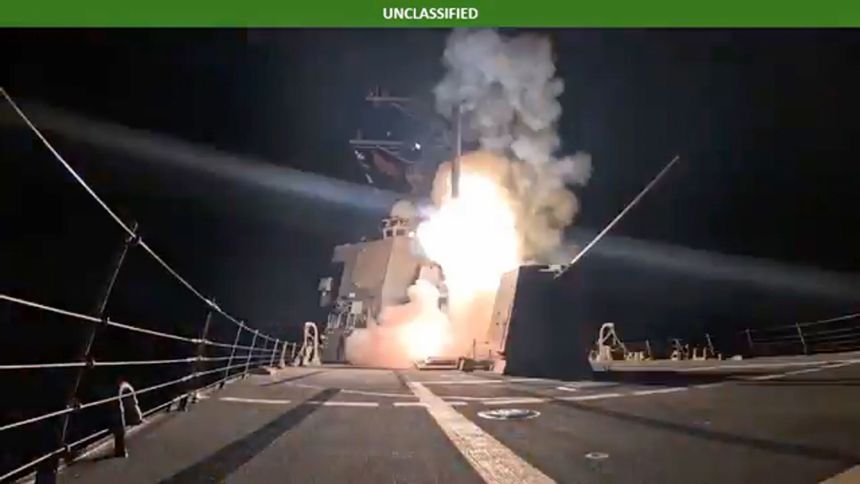
Nigeria’s Defence Headquarters has officially confirmed that the recent United States airstrikes targeting ISIS-linked terrorist elements in the North-West were carried out with the full approval and consent of the Nigerian government. This disclosure ends days of speculation and public debate following reports that American fighter jets struck terrorist hideouts in parts of Sokoto State during the Christmas period.
The confirmation marks a significant moment in Nigeria’s ongoing counter-terrorism campaign and highlights the growing level of international military cooperation in tackling extremist violence within the country’s borders.
What the Defence Headquarters Said
In a carefully worded statement, the Defence Headquarters made it clear that the operation was not an act of foreign aggression or a violation of Nigeria’s sovereignty. According to military authorities, the strikes were conducted following intelligence-driven coordination, with Nigerian forces playing a key role in identifying high-value terrorist targets.
The military explained that the operation formed part of broader joint efforts aimed at dismantling terrorist networks that have continued to threaten lives, disrupt communities, and undermine national security in the North-West region.
Who Was Targeted in the Airstrikes
The targets were confirmed to be ISIS-affiliated terrorist elements operating in remote and difficult-to-access areas. These groups have been linked to kidnappings, attacks on civilians, raids on villages, and deadly ambushes on security personnel.
Military intelligence reports indicated that the targeted locations served as command centers, training camps, and logistics hubs for extremist fighters. The strikes were described as precision-based, designed to neutralize threats while minimizing civilian harm.
Why Nigeria Approved U.S. Involvement
Nigeria’s decision to allow U.S. military support was driven by several strategic considerations. Security experts note that terrorist groups in the North-West have increasingly adopted advanced tactics, including cross-border movement, sophisticated communication systems, and alliances with international extremist networks.
The involvement of U.S. forces brought advanced surveillance, intelligence, and strike capabilities that complemented Nigeria’s ongoing military operations. Authorities emphasized that the approval was consistent with international law and existing security partnerships aimed at combating global terrorism.
U.S. Position on the Operation
American officials stated that the airstrikes were carried out at the request of Nigerian authorities, stressing respect for Nigeria’s sovereignty and leadership in the operation. The U.S. government framed the strikes as part of a global effort to weaken ISIS wherever it attempts to establish operational footholds.
Statements from U.S. leaders highlighted concerns about the group’s expansion in West Africa and its potential to destabilize the region if left unchecked.
Mixed Reactions Across Nigeria
The confirmation of Nigeria’s approval has sparked intense public discussion across the country. Many citizens and security analysts welcomed the development, describing it as a necessary step to confront a growing and deadly threat.
Supporters argue that terrorism has reached a level where international cooperation is no longer optional but essential. They point to years of persistent violence, kidnappings, and insecurity that have devastated communities and local economies.
However, critics have raised concerns about foreign military involvement on Nigerian soil. Some fear that such cooperation could set precedents that weaken national autonomy or deepen reliance on external forces. Religious and political commentators have also questioned the long-term implications of foreign airstrikes for peace and reconciliation efforts.
Government’s Reassurance on Sovereignty
In response to the criticism, Nigerian authorities reiterated that the country remains firmly in control of its security decisions. Officials stressed that no foreign military action can occur without Nigerian consent and oversight.
The government assured citizens that all operations are conducted within clear legal frameworks and guided by national interest, with the safety of civilians remaining a top priority.
Security Situation in the North-West
The North-West region has faced years of escalating violence involving banditry, kidnappings, and terrorist infiltration. What initially appeared as criminal activity has increasingly shown signs of ideological extremism, with some groups aligning themselves with international terrorist organizations.
Security experts believe the recent airstrikes represent an acknowledgment of this evolving threat and a shift toward more aggressive and intelligence-led counter-terrorism strategies.
What This Means for Nigeria’s Fight Against Terrorism
The joint operation signals a new phase in Nigeria’s security approach, one that places greater emphasis on international intelligence sharing, strategic partnerships, and advanced military capabilities.
Analysts suggest that the success or failure of this approach will depend on sustained coordination, transparency, and parallel efforts to address the root causes of extremism, including poverty, unemployment, and social marginalization.