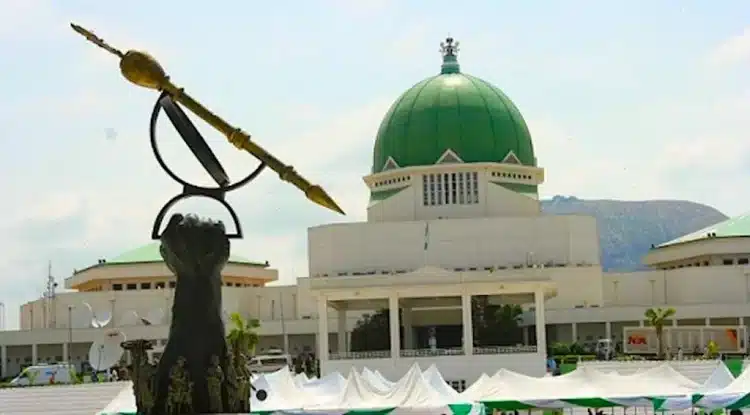
In a dramatic and unprecedented move that has captured national attention, Nigeria’s National Assembly has directed the re-gazetting of key tax reform laws following growing public concern and allegations of discrepancies between what lawmakers passed and what was officially published in the Federal Government Gazette. The development marks a significant institutional response to one of the most contentious legislative controversies in the country’s recent fiscal policy history.
What Triggered the Re-Gazetting Order?
The controversy erupted after members of the House of Representatives raised alarms that the tax reform laws which were passed by both chambers of the National Assembly and later signed into law, did not match—in several substantive provisions—the versions made public through the official Gazette.
The laws under scrutiny include:
- the Nigeria Tax Act, 2025
- the Nigeria Tax Administration Act, 2025
- the Joint Revenue Board of Nigeria (Establishment) Act, 2025
- the Nigeria Revenue Service (Establishment) Act, 2025
These Acts represent what was billed as the most comprehensive tax reform in decades, designed to overhaul Nigeria’s tax architecture, modernise revenue administration, and expand the domestic tax base — reforms originally assented to by President Bola Tinubu as part of broader economic strategy.
Alleged Alterations and Public Outcry
The heart of the controversy lies in claims that the gazetted versions of the laws contain material alterations not approved through the constitutionally mandated legislative process. Lawmakers, civil society groups, professional bodies, and segments of the public have expressed shock and concern that critical clauses might have been inserted, deleted, or altered after the bills were passed but before they were gazetted and published for public access.
A federal lawmaker from Sokoto State formally raised the issue on the floor of the House under a Point of Order (Privileges), arguing that the discrepancies could imply a serious breach of legislative privilege and constitutional procedure.
These allegations have since ignited debate across civil society and professional institutions. The Chartered Institute of Taxation of Nigeria (CITN) has called for immediate verification of the contested Acts by comparing the versions passed by the National Assembly against the gazetted copies, urging transparency and corrective action to safeguard both institutional credibility and public trust.
National Assembly’s Response: Re-Gazetting and Certified Copies
In response to the furor, the leadership of the National Assembly — under Senate President Godswill Akpabio and Speaker Tajudeen Abbas — issued a directive to the Clerk of the National Assembly to re-gazette the tax laws and issue Certified True Copies (CTCs) of the authentic versions as passed by both chambers.
The leadership described the move as an administrative step to ensure clarity, accuracy, and integrity in the legislative record, while the Assembly continues its probe into the alleged irregularities.
In essence, re-gazetting means republishing the statutes in the Official Gazette with confirmed authoritative text, effectively replacing the controversial versions currently in circulation — a rare legislative correction meant to protect the constitutional process and the rule of law.
What Does This Mean for Nigeria’s Legal and Tax Landscape?
Tax laws are foundational instruments that define obligations, compliance frameworks, revenue mobilisation structures, and the rights of taxpayers. Any uncertainty about the authentic text of such laws can raise serious legal, economic, and constitutional questions.
Legal experts have highlighted that the Gazetted version of a law is generally regarded as the authoritative legal text once passed, assented to, and published. If that version differs materially from what was duly passed by the legislature, it could weaken legal certainty and expose the laws to judicial challenges or constitutional invalidation.
The potential implications include:
- Legal uncertainty for taxpayers and government agencies over which provisions are enforceable.
- Risks of litigation that could freeze the implementation of the tax reforms.
- Erosion of public confidence in federal legislative processes.
- Possible calls for suspension of enforcement until the discrepancies are resolved.
Government and Executive Reactions
While the National Assembly takes the lead on the review and re-gazetting process, the Presidency has weighed in, distancing itself from claims of executive interference in the alleged alterations and urging lawmakers to conduct a thorough review. Government officials emphasised that the Executive did not tamper with the legislation and reaffirmed commitment to constitutional processes.
However, these assurances have not dampened public debate, with former political figures and civil society leaders calling for independent investigations and robust oversight to ensure transparency and accountability.
Voices from Civil Society and Professional Bodies
Beyond lawmakers, organised professional bodies and advocacy groups have raised concerns about the integrity of the tax law process. The CITN, for example, has urged clear public clarification where discrepancies exist and immediate action to align the differing versions of the Acts.
Other stakeholders argue that any substantive post-legislative alterations — whether by clerical oversight or otherwise — undermine the constitutional spirit of lawmaking and demand thorough investigation and corrective legislative action.