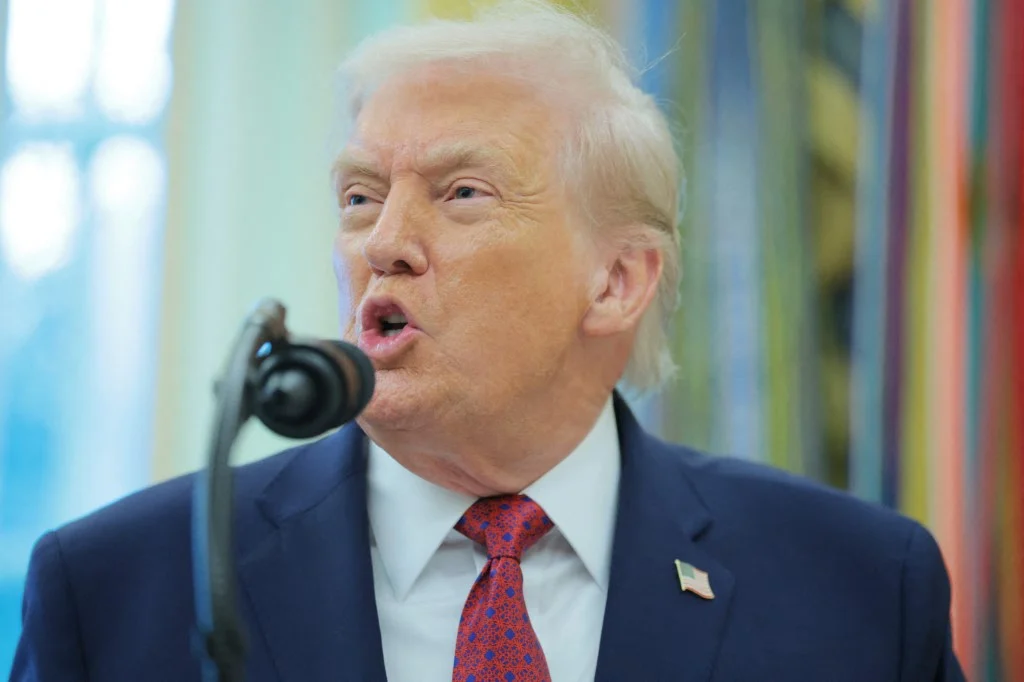
Iran is once again at the center of global attention as deadly nationwide protests intensify and diplomatic tensions with the United States reach a critical point. Former U.S. President Donald Trump has claimed that Iranian authorities are seeking negotiations with Washington, even as the death toll from ongoing demonstrations continues to rise and uncertainty deepens across the Middle East.
This unfolding situation presents a complex mix of internal unrest, international diplomacy, and the looming risk of escalation, with far-reaching implications for regional and global stability.
A Nation Gripped by Protests and Anger
Iran has been rocked by widespread protests that erupted in response to mounting economic hardship, rising inflation, unemployment, and deep-seated frustrations with governance. What began as demonstrations over living conditions quickly evolved into broader expressions of dissent against the political system.
Across major cities and smaller towns, protesters have taken to the streets demanding accountability, reforms, and relief from economic pressure. Security forces, however, have responded with force, leading to violent clashes that have left hundreds dead and thousands injured or detained, according to activist groups monitoring the situation.
As protests persist, reports indicate that the death toll continues to climb, fueling outrage both within Iran and among international human rights organizations. The unrest has become one of the most significant internal challenges facing the Iranian leadership in recent years.
Trump’s Claim: Iran Wants Negotiations
Amid the escalating violence, Donald Trump stated that Iran has reached out to the United States in a bid to open negotiations. According to Trump, Tehran is seeking talks at a time when it is under immense internal pressure from protests and facing renewed international scrutiny.
Trump suggested that discussions could take place soon but warned that the situation remains fluid and unpredictable. He also emphasized that while diplomatic channels may be opening, the United States would not hesitate to act if it believes American interests or regional security are threatened.
The claim has sparked intense debate, particularly as Iranian officials have not publicly confirmed any formal request for negotiations. The lack of official acknowledgment from Tehran has left analysts questioning whether back-channel communications are underway or whether the statement is part of broader political signaling.
Iran’s Silence and Defiant Posture
While Trump speaks of potential negotiations, Iran’s leadership has largely maintained a defiant tone. Officials have continued to accuse foreign powers of instigating unrest and interfering in Iran’s internal affairs. State media has downplayed the scale of protests, while security agencies have intensified efforts to suppress demonstrations.
Iranian authorities have also issued warnings to the United States and its allies, stressing that any military action would provoke a strong response. This dual approach of public defiance and alleged private diplomacy highlights the complex and often contradictory nature of Iran’s political strategy during moments of crisis.
Rising Death Toll and Global Concern
The growing number of casualties has drawn international condemnation. Human rights groups have expressed alarm over the use of lethal force against protesters, mass arrests, and restrictions on communication, including internet shutdowns aimed at limiting the spread of information.
Governments around the world have called for restraint, urging Iranian authorities to respect human rights and allow peaceful demonstrations. At the same time, fears are growing that continued instability could spill beyond Iran’s borders, affecting energy markets, regional security, and global diplomatic relations.

