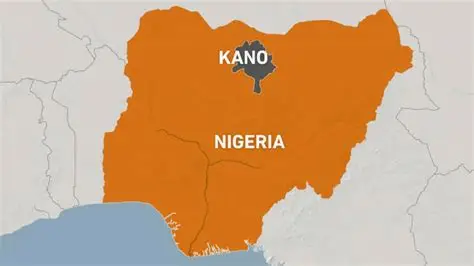
In a powerful push to tackle rising unemployment and fuel economic empowerment, the Kano State Government has unveiled an ambitious plan to train no fewer than 50,000 youths in diverse skills acquisition programmes across the state in 2026. The announcement underscores the administration’s commitment to empowering young people with practical skills, boosting self-reliance, and fostering sustainable economic growth in one of Nigeria’s most populous states.
Empowering a New Generation Through Skills Training
The initiative, spearheaded by Governor Abba Kabir Yusuf, aims to equip young Nigerians with the tools and competencies needed to thrive in today’s competitive economy. At a time when youth unemployment continues to challenge communities nationwide, Kano’s strategy prioritises inclusive skills development that enhances employability and fosters entrepreneurship.
Governor Yusuf highlighted that the training programmes will complement other ongoing empowerment efforts already being implemented across the state. These efforts are designed to ensure that more youths have access to opportunities that promote economic self-reliance rather than dependence on limited formal jobs.
Building on Past Successes and Revived Institutes
The training drive builds on recent efforts by the Kano State Government to revive entrepreneurship and vocational training institutes that had been dormant for years. At an event where 2,260 graduates from eight entrepreneurship institutes were empowered with tools and resources, Governor Yusuf reiterated the importance of equipping youth with practical skills that align with market demands.
Graduates received support in areas such as horticulture, film production, journalism, digital technology, driving, and other vocational fields, indicating a broad approach to skills development that touches multiple sectors of the economy.
The success of these smaller cohorts has reinforced the government’s confidence in scaling training efforts to reach tens of thousands more youths across the state by the end of 2026.
Tackling Unemployment with Purpose and Vision
Kano’s new skills acquisition campaign reflects a growing understanding among policymakers that sustainable employment stems from practical education, hands-on training, and targeted support. By focusing on skills that are relevant to both local industries and global market trends, the state government hopes to reduce unemployment, curtail youth restiveness, and stimulate economic activities at the grassroots.
The planned transformation is not limited to classroom training. In recognition of the need for post-training support and real-world application, Kano has been scaling interventions that include the provision of tools, startup capital, certifications, and mentoring for graduates to translate their new skills into viable enterprises.
A Strategic Response to Broader Economic Challenges
Youth unemployment remains a pressing concern across Nigeria, and Kano’s initiative aligns with national conversations around economic empowerment and human capital development. Across the country, similar programmes have been launched by both federal and state governments, as well as private partnerships, to equip young people with technical, digital, and entrepreneurial skills.
What sets Kano’s approach apart is the scale and breadth of its target: training 50,000 individuals in just one year, and preparing hundreds of thousands more through broader digital literacy initiatives. This demonstrates a proactive vision that seeks not just to train, but to transform the economic fortunes of a generation.
What This Means for Kano’s Future
If successfully implemented, this programme has the potential to reshape Kano’s economic landscape. By investing in its young population, the state is laying the groundwork for a more skilled workforce, a surge in entrepreneurship, and higher levels of productivity across key sectors such as technology, agriculture, manufacturing, and the creative industries.
For many youths, this initiative represents a life-changing opportunity—a chance to gain valuable skills, build sustainable livelihoods, and contribute meaningfully to their communities. For Kano State, it is a step toward unlocking the full potential of its most valuable resource: its people.