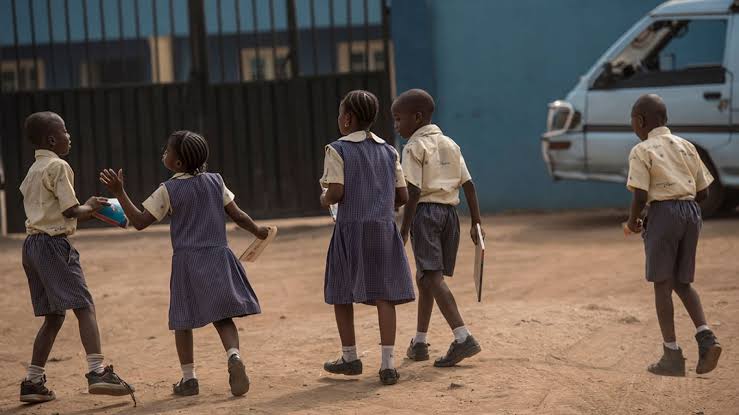
The Niger State Government has announced the reopening of additional public and private schools across the state following what it described as noticeable improvements in the security situation in some previously affected areas.
The latest decision, which takes effect from Monday, January 26, 2026, marks the second phase of school reopenings after weeks of disruption caused by insecurity and the threat of attacks on educational institutions. The government said the move was based on fresh security assessments carried out by relevant agencies, which confirmed that certain locations are now safe enough for academic activities to resume.
The reopening directive was conveyed through an official statement issued by the Director of Schools and Educational Services at the Niger State Ministry of Basic Education, Hassan Mohammed. According to the statement, only schools that have been cleared by security agencies are permitted to reopen, while those in areas still considered vulnerable will remain closed until further notice.
Schools in Paikoro Local Government Area were specifically excluded from the latest reopening exercise, as security clearance for the area has not yet been granted. The state government noted that a separate announcement would be made once conditions improve and the affected schools are certified safe for students, teachers, and non-teaching staff.
The closure of schools across parts of Niger State followed a major security incident late last year, when pupils and teachers were abducted from St. Mary’s Catholic Primary and Secondary School in Papiri, Agwara Local Government Area. The incident triggered widespread concern and led to the shutdown of schools in several local government areas as a precautionary measure to protect lives.
Earlier this month, the state government had ordered the reopening of some schools from January 12 after an initial review of the security situation. The latest announcement expands that list, signalling a gradual return to normal academic activities in areas where stability has improved.
Government officials stressed that the safety of learners remains the top priority and assured parents and school administrators that security agencies would continue to monitor developments closely. They added that necessary measures are being put in place to prevent a recurrence of attacks on schools, including increased surveillance and collaboration with local security outfits.
The phased reopening reflects the broader challenge facing education in parts of northern Nigeria, where insecurity has forced thousands of children out of school at different times. While the Niger State Government expressed optimism that learning can safely resume in cleared areas, it acknowledged that the situation remains fragile and requires sustained security efforts.
Parents and guardians have been advised to remain vigilant and to cooperate with school authorities and security agencies as schools resume activities. The government also called on communities to support ongoing efforts to safeguard educational institutions and ensure that children can continue their education without fear.