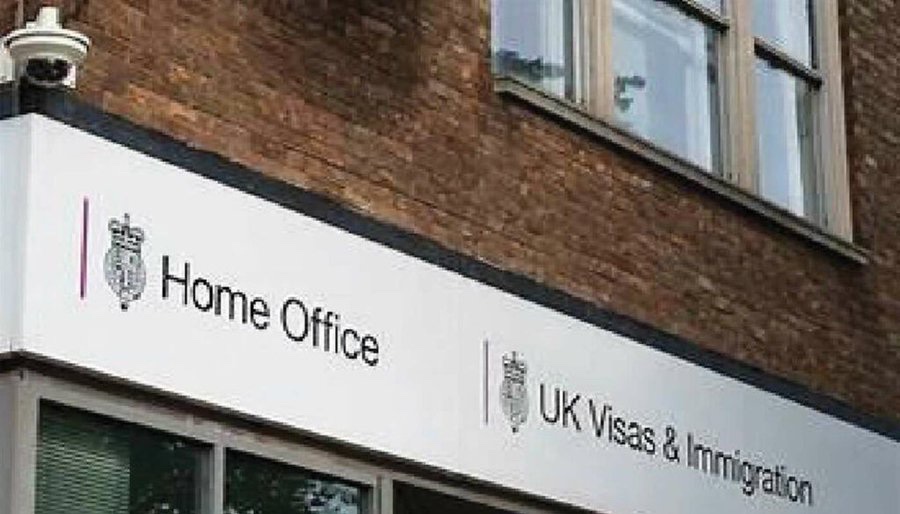
The United Kingdom government has announced a historic “emergency brake” on visa issuance for nationals of Afghanistan, Cameroon, Myanmar and Sudan, citing a sharp rise in asylum claims by individuals who initially entered the country through legal routes, including study visas. This unprecedented move, announced on 4 March 2026, will come into effect from 26 March 2026.
The emergency brake temporarily halts the processing of new study visas from the four countries and also suspends work visas for Afghan nationals. According to the Home Office, this measure is designed to prevent the abuse of the UK’s immigration system and protect the integrity of legal migration pathways.
Surge in Asylum Claims Behind the Policy
Government figures reveal a dramatic increase in asylum applications from individuals who originally entered the UK on legal visas. Between 2021 and 2025:
- Asylum applications by students from Afghanistan, Cameroon, Myanmar and Sudan rose by more than 470%.
- Approximately 39% of all asylum claims in 2025 were lodged by individuals who initially entered on legitimate visa routes.
- Reports suggest that up to 95% of Afghan students granted study visas later applied for asylum, highlighting the scale of the perceived misuse.
The Home Office described this pattern as “abuse” of the system, noting that the surge in claims placed increasing pressure on public services and resources.
Scope of the Emergency Brake
The visa freeze affects the following categories:
- Afghanistan: Study and work visas suspended.
- Cameroon: Study visas suspended.
- Myanmar: Study visas suspended.
- Sudan: Study visas suspended.
Current visa holders from these countries already residing in the UK will not be immediately affected, although future renewals or status changes will face increased scrutiny.
Government’s Rationale
Home Secretary Shabana Mahmood stated that the policy is part of broader efforts to “restore order and control” to the UK’s borders. She emphasized:
“The UK will always provide refuge to those fleeing war and persecution. However, the visa system must not be exploited. We are acting decisively to ensure that legal migration routes are used for their intended purpose.”
The emergency brake is also aimed at reducing financial and logistical pressures on the asylum system, which currently supports thousands of individuals from these countries at public expense. Estimates suggest that around 16,000 asylum seekers from these four nations are being housed by the state, with more than 6,000 in hotel accommodation, costing approximately £4 billion annually.
Wider Implications
The move has sparked debate among education and immigration stakeholders. Universities and education advocates warn that broad restrictions on student visas may damage the UK’s reputation as a global study destination, potentially reducing revenue from international students who contribute significantly to tuition income and local economies.
At the same time, the government is pursuing additional reforms to the asylum system, including proposals for temporary refugee status capped at 30 months, designed to prevent indefinite residence without review.