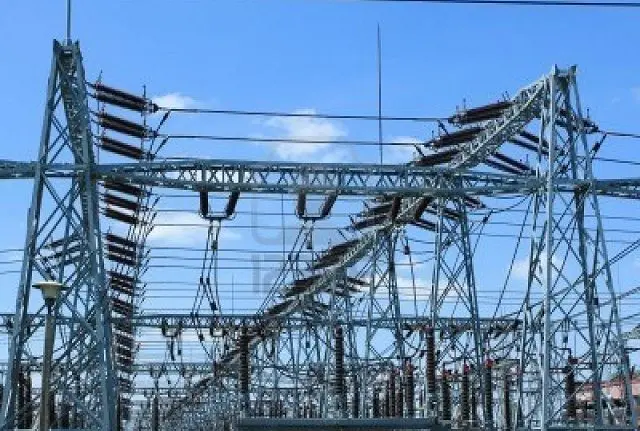
Electricity supply across Nigeria has declined further after national power generation fell by about 11 percent, worsening the already unstable power situation in many parts of the country and forcing electricity distribution companies to intensify load shedding to manage the shortfall.
Latest operational data from the national grid showed that total electricity generation dropped to approximately 2,898 megawatts from about 3,222 megawatts recorded earlier in the week, representing a significant decline in available power supply to homes, businesses and industries. The reduction means fewer megawatts are available for distribution companies to deliver to consumers, leading to longer blackout periods and more erratic supply across several states.
Industry operators attribute the drop largely to persistent gas supply constraints affecting thermal power plants, which account for the majority of Nigeria’s electricity generation capacity. Many of the country’s grid-connected power plants rely on natural gas to operate, and disruptions in gas delivery often force generating units to shut down or reduce output, immediately affecting the amount of electricity that can be transmitted to the grid.
Energy analysts note that Nigeria’s electricity sector remains heavily dependent on gas-fired plants, making the entire power system vulnerable whenever gas infrastructure experiences operational challenges such as pipeline maintenance issues, supply shortages, or payment disputes between gas suppliers and power generation companies. When such disruptions occur, several power stations are unable to operate at full capacity, resulting in sudden drops in nationwide generation levels.
The latest decline has further compounded the struggles of electricity distribution companies, which are responsible for delivering power to end users. With less electricity available from the national grid, the distribution companies are often forced to ration supply through load shedding in order to prevent system overload and maintain some level of stability within the network. This has led to widespread complaints from households and businesses who say electricity supply has become even more unpredictable in recent days.
Nigeria’s power sector has long struggled with structural challenges, including inadequate generation capacity, weak transmission infrastructure, high operational costs, and longstanding financial issues within the electricity market. Despite having an installed generation capacity that is significantly higher on paper, the country rarely produces enough electricity to meet national demand due to operational limitations, fuel supply challenges, and infrastructure constraints.
Energy experts argue that the recurring fluctuations in generation highlight deeper systemic problems within the sector, particularly the fragile relationship between gas suppliers and power producers. Many generation companies have repeatedly raised concerns about gas availability and pricing structures, while gas producers have also complained about payment delays within the electricity value chain.
Transmission limitations also continue to play a role in the country’s electricity challenges. Even when generation increases, the national transmission network often struggles to wheel higher volumes of electricity across the country efficiently. This has prompted ongoing discussions within the Federal Government about reforms aimed at strengthening grid management and improving overall system reliability.
For millions of Nigerians who already rely heavily on alternative power sources such as petrol and diesel generators, the latest drop in generation is likely to worsen energy costs for households and businesses. Small enterprises, manufacturers and service providers frequently depend on self-generated electricity to remain operational whenever grid supply becomes unreliable.