Communities in parts of Ekiti State have been thrown into deep distress following a series of kidnappings, killings and ransom demands that residents describe as unprecedented in scale and brutality. The latest reported incident, which has drawn widespread condemnation from local groups and civil society organisations, underscores mounting fears of lawlessness in rural areas where residents now live under virtual siege.
In Ajoni Local Government Area, a middle‑aged woman was kidnapped in late February. According to eyewitnesses and community leaders, she died while in the custody of her abductors; authorities have described the death as resulting from sexual assault. The kidnappers subsequently issued an extraordinary list of ransom demands that included cash, illicit substances and cartons of beer in exchange for the woman’s body.
Villagers, desperate to secure the return of their loved one, mobilised quickly to raise the equivalent of the cash component of the kidnappers’ demands. However, four men who volunteered to deliver the funds were themselves seized by the captors.
In an escalation that has horrified residents, the kidnappers communicated fresh demands: the delivery of two girls described by the assailants as virgins, warning that the four seized men would be killed if their conditions were not met. Efforts to secure the release of the four men have so far been fruitless, and families remain in anguish.
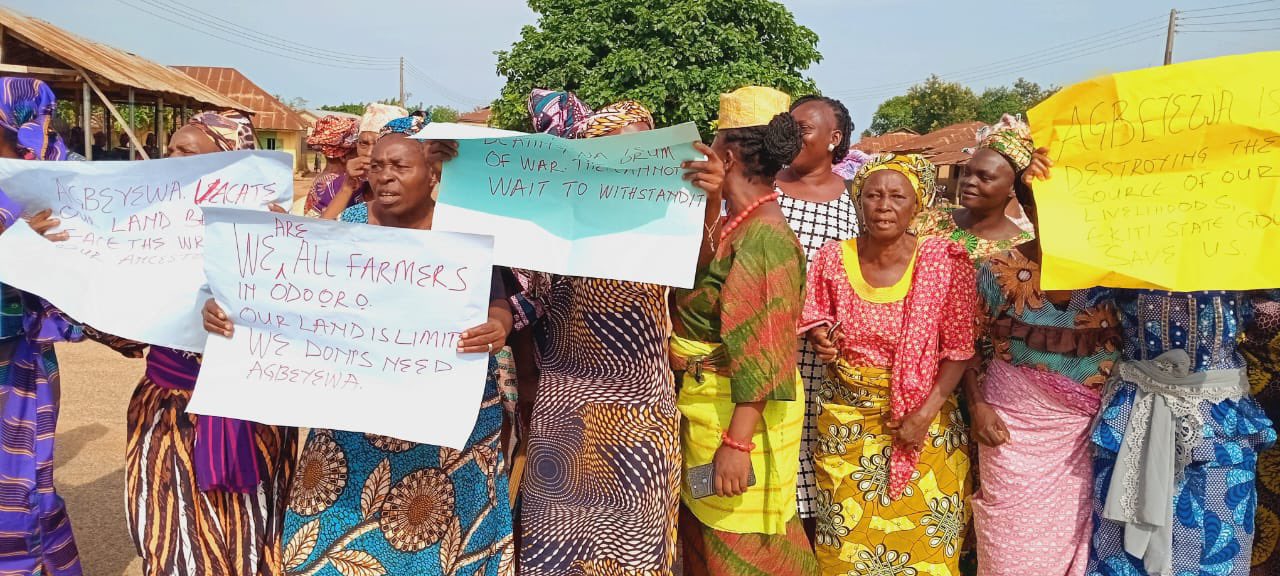
Residents of six affected towns — Itapaji, Iyemero, Oke‑Ako, Irele, Ijowa and Ipao — say they have been effectively cut off from basic services, including access to potable water and healthcare. “We cannot fetch water, we cannot go to the hospital without fear of being kidnapped,” one resident said. “Our farms are untended, our children cannot go to school.”
Local leaders and villagers say repeated pleas to political representatives, including their senator and member of the House of Representatives, have been met with silence or only expressions of sympathy rather than substantive action. “We have seen condolence messages on social media, but no federal or state security mobilisation on the ground,” a community elder lamented.
The persistent insecurity has fuelled fears that the situation could deteriorate further. Some residents have warned that continued inaction by security agencies could provoke self‑help responses, raising the risk of wider communal conflict.
Reinforcing community concerns, Afenifere, the influential Yoruba socio‑political organisation, issued a statement confirming the reports and calling for immediate intervention from the federal government. In its communique, Afenifere described the assailants as “humans responsible for grave violence against innocent citizens” and urged President Bola Ahmed Tinubu to deploy the necessary security architecture to halt the crisis.
Security analysts say the events in Ekiti mirror a troubling pattern seen in several parts of the southwest, where criminal gangs have exploited terrain, limited policing and community vulnerability to entrench their activities. The Ekiti incidents are particularly alarming given the reported severity of the crimes and the broad territorial control exerted by the kidnappers in the six towns.
Calls for action now extend beyond local and regional organisations. Civil society groups and human rights advocates are pushing for a coordinated response involving the Nigeria Police Force, the Department of State Services (DSS), and, where necessary, units of the Armed Forces to restore safety and order.
Efforts to reach officials in the Ekiti State Government and the Office of the National Security Adviser for comments were unsuccessful at the time of publication.