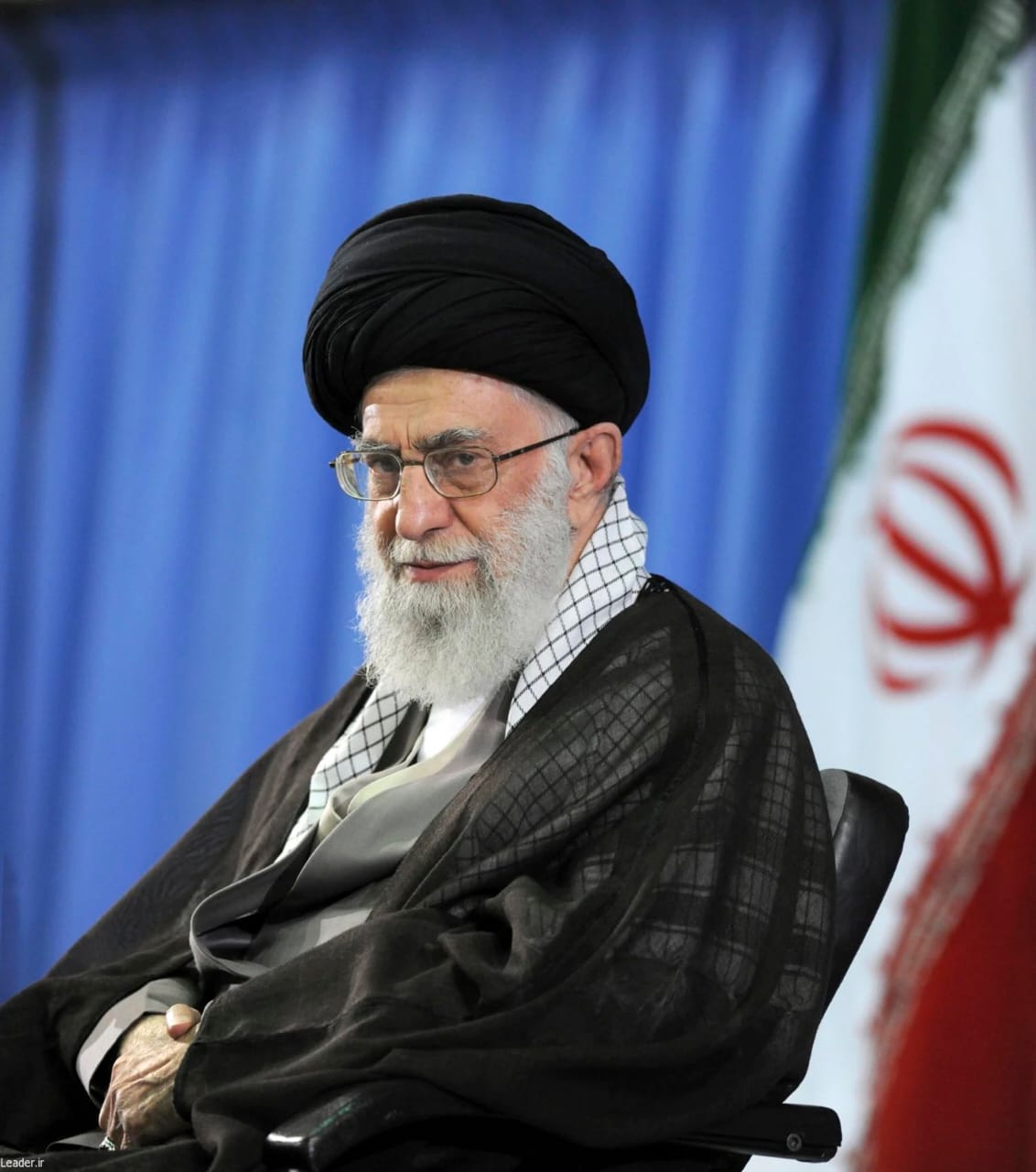
Iran’s Supreme Leader, Ali Khamenei, has reportedly been killed in a large-scale military strike carried out jointly by the United States and Israel, according to multiple international reports.
The 86-year-old cleric, who has ruled Iran since 1989, was said to have died following coordinated airstrikes that targeted key government and military installations in Tehran. An Israeli official, speaking to Axios and later cited by CNN, reportedly confirmed that Khamenei’s body was recovered from his heavily damaged compound after what Israeli intelligence described as a direct strike.

Israel’s ambassador to Washington is said to have briefed U.S. officials on the development, describing the operation as part of a broader “pre-emptive” action aimed at halting Iran’s alleged advancement toward nuclear weapons capability.
Massive Joint Military Operation
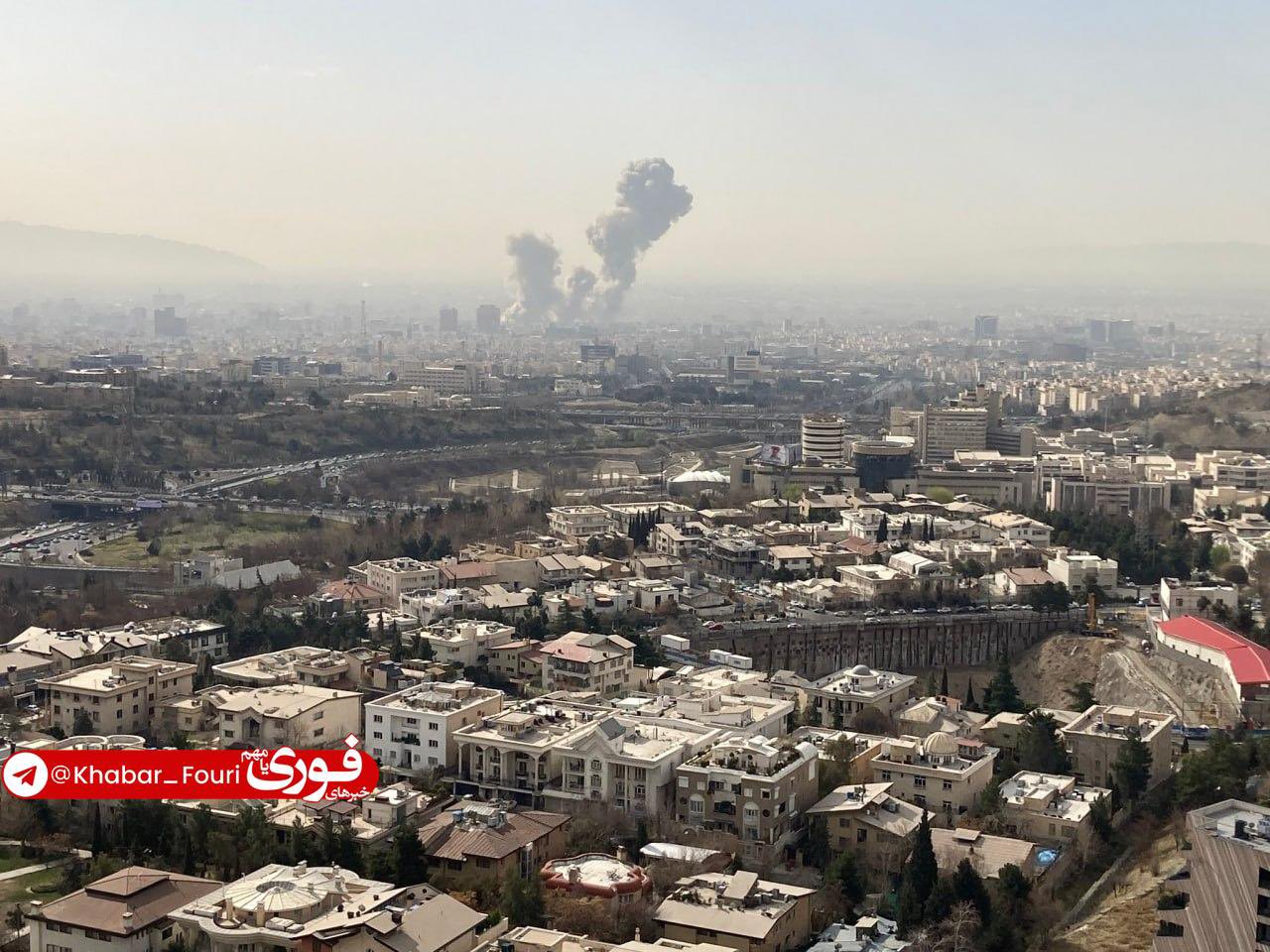
The strikes, described by both Washington and Tel Aviv as a defensive pre-emptive measure, targeted multiple high-value sites across Iran. Early reports indicate that some of the first missiles hit areas surrounding the offices and residential compound of the Supreme Leader in Tehran.
It remains unclear whether Khamenei was inside the compound at the exact moment the strikes began. His death was reportedly confirmed several hours after the initial bombardment, following intelligence assessments and on-ground recovery operations.
The joint action marks one of the most direct and significant military confrontations between Iran and the U.S.–Israel alliance in recent history.
Immediate Retaliation from Iran
The strikes triggered swift retaliation from Iran. Missiles were reportedly launched toward Israel and several strategic locations across the Middle East. Air raid sirens sounded in parts of Israel, and defense systems were activated in response to incoming projectiles.
Regional military forces remain on high alert amid fears of a wider escalation that could draw in additional actors across the Gulf and beyond.
Khamenei’s Four-Decade Grip on Power
Khamenei became Iran’s Supreme Leader in 1989 following the death of revolutionary leader Ruhollah Khomeini. Since then, he has exercised ultimate authority over Iran’s military, judiciary, media, and key state institutions under the structure of the Islamic Republic established after the 1979 revolution.
For more than three decades, he shaped Iran’s domestic and foreign policy, including its adversarial stance toward Israel and the United States. Under his leadership, Iran expanded its regional influence through allied groups across Lebanon, Syria, Iraq, and Yemen, while also pursuing a controversial nuclear program that Western governments have long argued could be weaponized.
Uncertain Political Future
If officially confirmed by Tehran, Khamenei’s death would trigger a major constitutional and political transition within Iran. The Assembly of Experts would be responsible for appointing a new Supreme Leader, but the sudden nature of the reported strike raises concerns about internal stability and potential power struggles within the clerical establishment and the Islamic Revolutionary Guard Corps.
As of the time of this report, Iranian state media had not issued a definitive public confirmation, and independent verification remains limited due to restricted access to official sources.
A Defining Moment for the Middle East
The reported killing of Iran’s Supreme Leader represents a dramatic turning point in Middle Eastern geopolitics. Analysts warn that the situation could escalate rapidly depending on the scale of Iran’s retaliation and the response from Israel and the United States.
Global markets, diplomatic channels, and military forces across the region are bracing for potential fallout as world leaders call for restraint amid growing fears of a broader regional conflict.
This is a developing story. Further updates are expected as more details emerge.