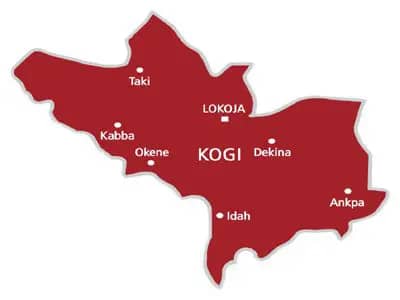
Fear and grief engulfed Ayetoro-Kiri community in Kabba/Bunu Local Government Area of Kogi State on Sunday after armed bandits attacked a Christian worship centre during an early morning service, killing at least one worshipper and abducting several others.
The attackers reportedly struck while congregants were deeply engaged in worship, turning what should have been a peaceful gathering into a scene of chaos and bloodshed. The incident has further heightened concerns over the worsening security situation in rural parts of Kogi State, where communities have increasingly become targets of violent criminal groups.
Eyewitnesses said the bandits arrived suddenly, firing gunshots into the air and within the church premises to instil fear and force worshippers to flee. In the confusion that followed, one worshipper was shot dead on the spot, while several others were seized by the gunmen and dragged into nearby forest areas. Residents said the attackers appeared familiar with the terrain and escaped swiftly before any help could arrive.
Following the attack, panic spread across the community as families struggled to account for missing relatives. Church leaders immediately suspended activities, while many residents reportedly locked themselves indoors or fled to neighbouring communities, fearing a possible return of the attackers. The killing and abductions have left the community in mourning, with deep anxiety over the fate of those taken away.
Local sources described the incident as part of a disturbing pattern of bandit attacks in the area. In recent weeks, several communities in Kogi State have experienced similar assaults, including kidnappings during church services and raids on villages located near forest belts. Security analysts warn that bandit groups are increasingly targeting soft civilian gatherings such as worship centres, markets, and social events, exploiting limited security presence in rural areas.
As of the time of filing this report, security agencies had yet to release an official statement confirming the number of casualties or abducted worshippers. Residents, however, said security operatives were alerted shortly after the attack and had begun preliminary assessments of the situation. The lack of an immediate security response during the incident has renewed criticism over delayed interventions and inadequate protection for vulnerable communities.
Religious leaders in the area condemned the attack, describing it as a brutal assault on innocent worshippers and a dangerous escalation of violence. They called on the government to treat the incident with urgency, ensure the safe rescue of all abducted victims, and bring those responsible to justice. They also urged worshippers to remain cautious while continuing to pray for peace and security.
Community leaders and residents have appealed to the Kogi State Government and federal authorities to urgently reinforce security across affected areas. They stressed the need for increased patrols, improved intelligence gathering, and stronger collaboration between security agencies and local vigilante groups to prevent further attacks.
Kogi State’s strategic location, linking several regions of the country, has long exposed it to criminal infiltration. Observers warn that unless decisive and sustained measures are taken, bandit groups displaced from other regions may continue to relocate their operations into Kogi’s forested communities, deepening the state’s security challenges.
The attack on the Ayetoro-Kiri church has once again shattered the sense of safety around places of worship, raising urgent questions about how long rural communities will continue to bear the brunt of Nigeria’s insecurity. As families mourn the dead and anxiously await news of their abducted loved ones, the demand for concrete action from authorities grows louder, underscoring the need for lasting solutions to the country’s persistent security crisis.