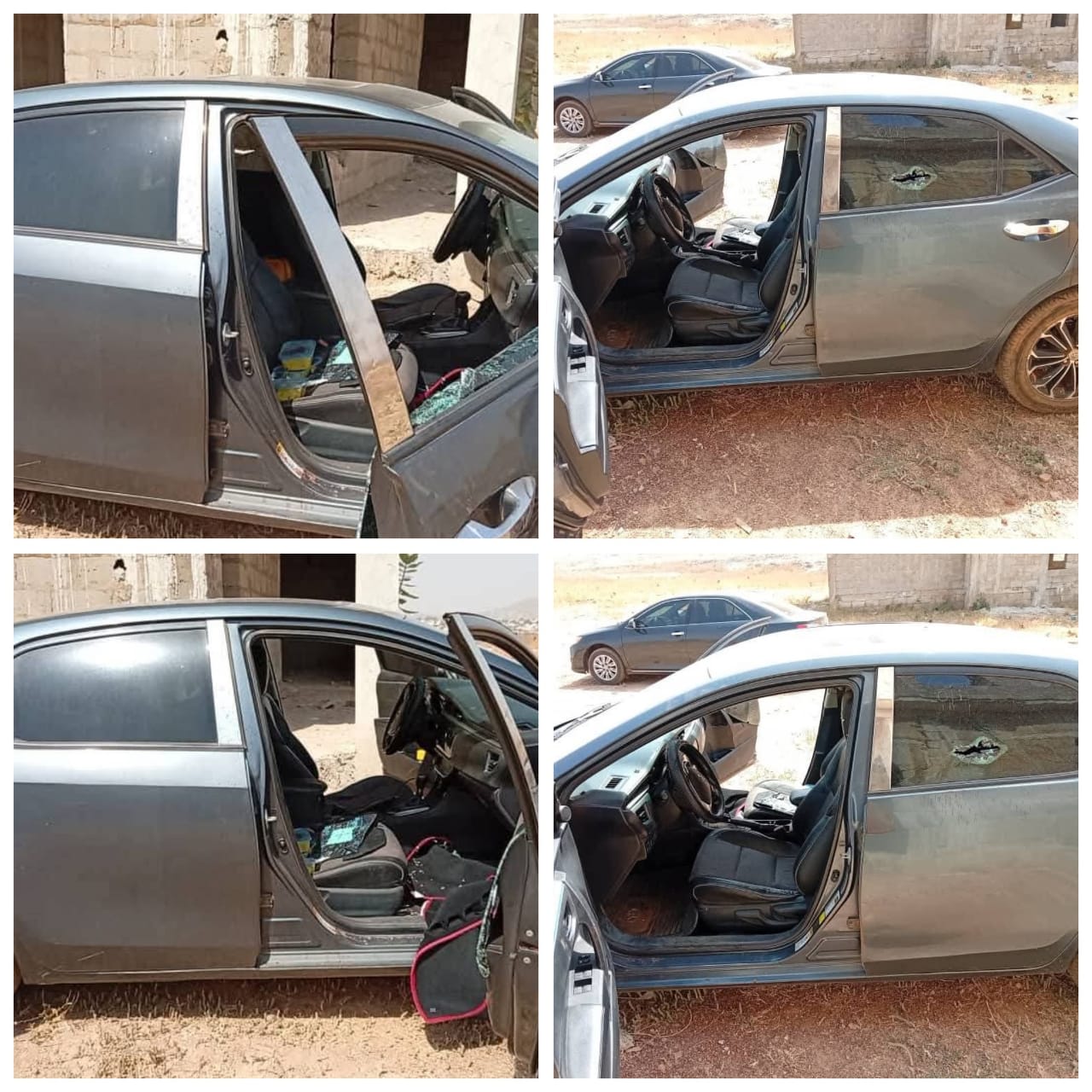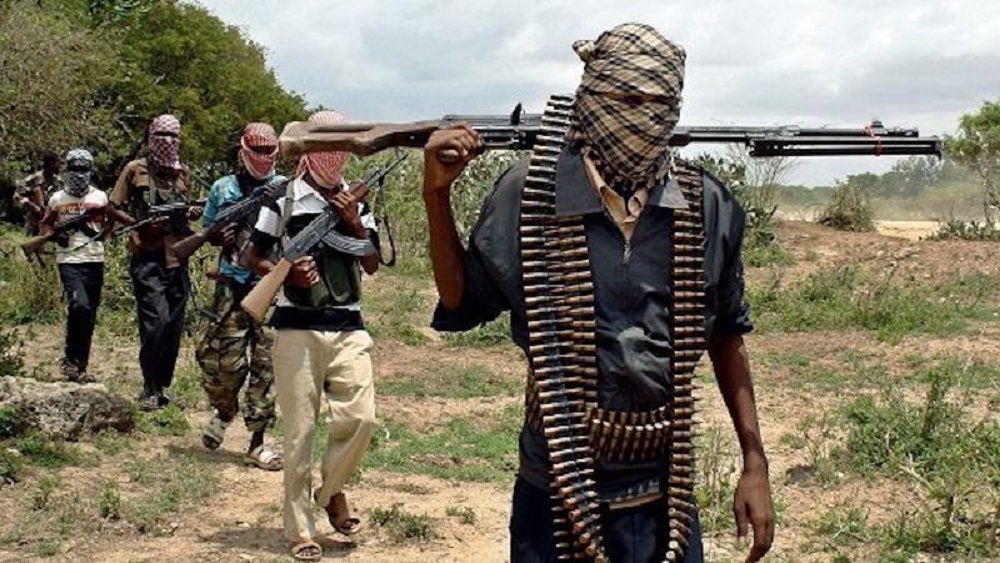
Nigeria’s counter-insurgency campaign in the North-East suffered a major setback after suspected Boko Haram insurgents carried out a suicide bombing on a Nigerian military convoy in Borno State, killing several soldiers and injuring others in what security sources describe as a highly coordinated and deadly attack.
The incident occurred along a volatile route frequently used by troops during operational movements in the state. According to multiple military sources, the convoy was navigating the area when an explosive-laden vehicle, allegedly driven by a suicide bomber, rammed directly into the formation before detonating.
The explosion triggered panic and confusion at the scene, destroying military vehicles and causing significant casualties among the troops.
Details of the Attack
Eyewitness accounts and security briefings indicate that the convoy was either returning from or redeploying after an operation when the attacker struck. The bomber reportedly took advantage of the convoy’s movement, accelerating toward the soldiers before detonating the vehicle at close range.
The blast was described as powerful, with shockwaves damaging nearby military assets and temporarily halting movement along the route. Soldiers in the convoy were forced to secure the area immediately to prevent follow-up attacks, a common tactic used by insurgents in the region.
Casualties and Evacuation
Although official figures have not been publicly confirmed by military authorities, credible security sources confirmed that several soldiers lost their lives in the explosion, including officers. Others sustained injuries ranging from minor to critical and were evacuated to medical facilities for urgent treatment.
The bodies of the fallen soldiers were later moved to a secure location as military units reinforced the area and restored control.
Strategic Location and Ongoing Threats
The attack occurred in a part of Borno State that has long been associated with Boko Haram activity. Despite sustained military offensives and clearance operations, insurgent groups continue to exploit the area’s terrain to launch surprise attacks, particularly against moving targets such as convoys.
Security analysts note that insurgents often target convoys during transition phases, when troops are neither fully engaged in combat nor settled in fortified positions.
Resurgence of Suicide Bombing Tactics
The use of a vehicle-borne suicide bomber signals a disturbing return to a tactic that Boko Haram once relied on heavily at the height of the insurgency. In recent years, such attacks had reduced in frequency, making this incident particularly concerning to security experts.
Analysts believe the tactic is aimed at inflicting maximum damage, disrupting military logistics, and sending a psychological message to both troops and the wider public.
Military Response
Following the bombing, Nigerian troops reportedly conducted a thorough sweep of the surrounding area to rule out additional threats. Movement along key routes was temporarily restricted as military commanders reviewed operational protocols and security measures.
The military has also intensified intelligence-led operations in the area, with efforts focused on identifying the network responsible for the attack and preventing further incidents.
Impact on Local Communities
Residents in nearby communities reported hearing the explosion from a distance, triggering fear and renewed anxiety over security conditions in the area. Many locals expressed concern that such attacks often lead to increased military restrictions, which can disrupt farming, trade, and daily movement.
The ongoing conflict continues to place civilians at risk, even when they are not the direct targets of insurgent violence.