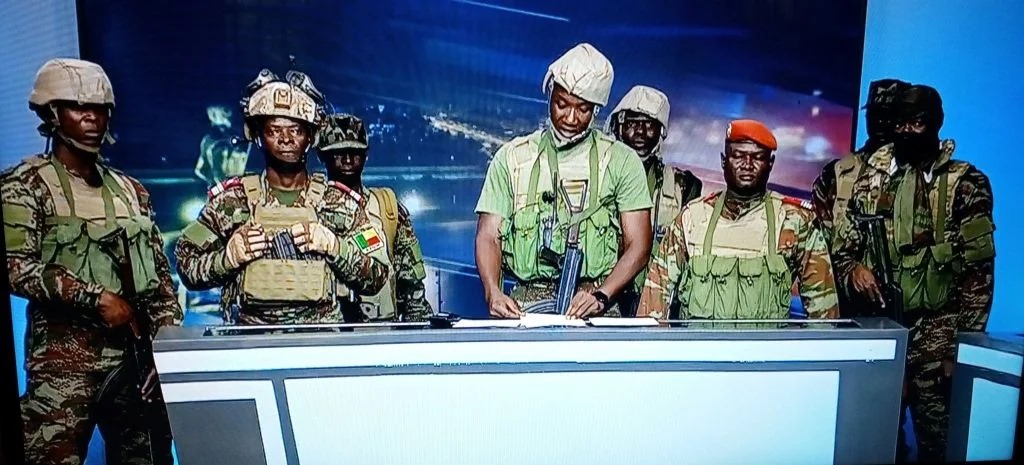
Benin Republic was thrown into deep uncertainty in the early hours of Saturday following a dramatic national broadcast in which a group of armed soldiers announced that they had seized power, dissolved all state institutions, and removed President Patrice Talon from office. The televised declaration, made from the country’s state broadcaster, marked one of the most significant political shocks in Benin’s recent history and immediately sparked widespread tension across the capital, Porto-Novo, and other major cities.
The soldiers, who identified themselves as members of the Military Committee for Refoundation, said they had taken control of the government in order to “refound the republic” and restore what they described as stability and national integrity. During the broadcast, they named Lieutenant Colonel Pascal Tigri as the head of the new military authority and the interim leader of the country. Their tone was stern, and their message was direct: the constitution had been suspended, national borders were closed, and all political activities were halted until further notice.
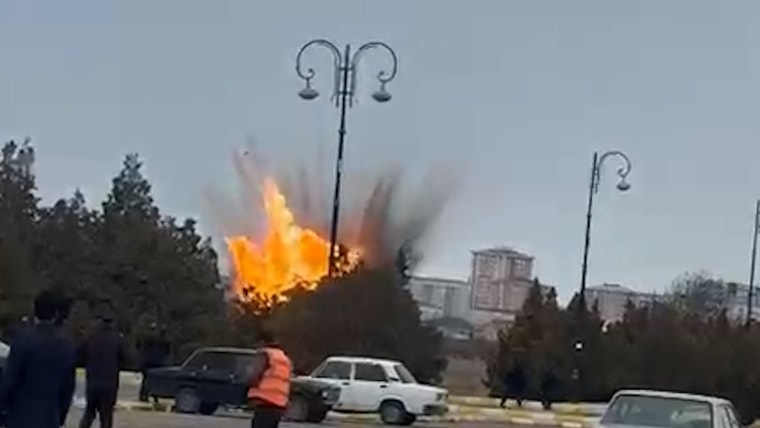
Reports from the ground indicated that the takeover was preceded by an exchange of gunfire near the presidential residence, as well as heavy military presence at Camp Guézo in Porto-Novo. Residents said the sound of gunshots echoed across nearby neighbourhoods before calm returned, only for the military takeover announcement to follow shortly after. Although the broadcast appeared well-coordinated, the actual extent of military control across the country remained unclear as new information continued to emerge.
Shortly after the coup announcement, the presidency released a counter-statement insisting that President Talon remained safe and that loyalist units of the Beninese Armed Forces were engaged in operations aimed at reclaiming control of critical institutions. According to government sources, the soldiers behind the televised declaration represent a dissident wing of the military and do not speak for the entire armed forces. Officials described the situation as an attempted coup, rather than a successful one, even though the dissident soldiers occupied the national broadcaster at the time of the announcement.
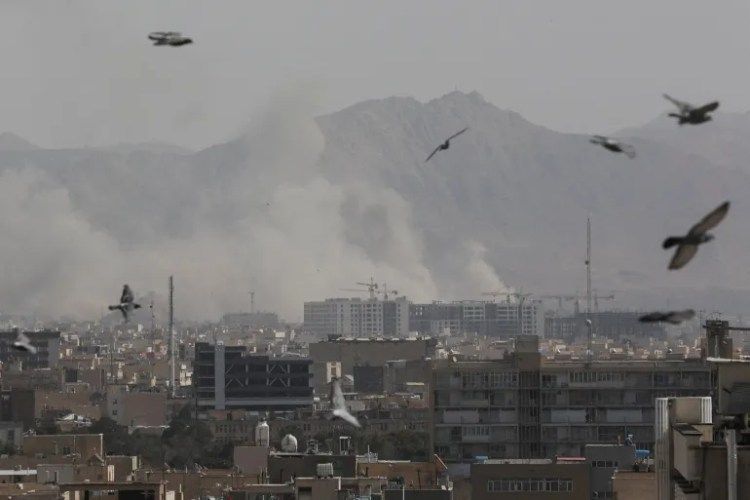
Despite the assurances from the presidency, uncertainty permeated the streets of Porto-Novo and Cotonou. Many residents remained indoors, businesses shut their doors, and public transport slowed to a near standstill as people waited anxiously for clarity on who truly held authority. The presence of armed soldiers was visible at several key junctions, fueling speculation that the military confrontation was far from over.
The dramatic development unfolded against a backdrop of rising political tension in the country. President Talon, who has been in office since 2016, had earlier indicated that he would leave office after the 2026 elections. However, a controversial constitutional amendment that extended presidential terms from five to seven years drew criticism from sections of the political opposition and civil society groups. The amendment was seen by some as a strategic consolidation of power, and analysts believe it may have amplified simmering discontent within the political and military establishments.
Benin has long been considered one of West Africa’s more stable democracies, with relatively peaceful political transitions over the past decades. The sudden upheaval therefore represents a dramatic turn of events that could reshape both the country’s political landscape and its regional standing. The development also fits into a growing pattern of military interventions across West Africa in recent years, raising concerns about the future of democratic governance in the region.
The crisis poses significant economic risks as well. The closure of borders, suspension of institutions, and questions surrounding the legitimacy of government authority have already triggered anxiety among investors, traders, and key economic players. Benin’s economy is tightly linked to regional trade routes, especially in relation to Nigeria, and any prolonged political instability threatens to disrupt commerce, transportation, and business confidence. Many businesses remained closed on Saturday as residents monitored the situation with caution.
For now, several critical questions remain unanswered. The precise whereabouts of President Talon have not been publicly disclosed. It is unclear which faction of the military holds a stronger position or whether negotiations are underway between rival groups within the armed forces. The international community has yet to issue a coordinated response, though diplomatic and regional bodies are expected to weigh in soon given the potential regional repercussions.
As the situation continues to unfold, Benin finds itself at a defining moment in its political history. The country stands at a crossroads, its future uncertain, its institutions shaken, and its people waiting anxiously to know whether the elected government will regain control or whether the military will solidify its grip on power.