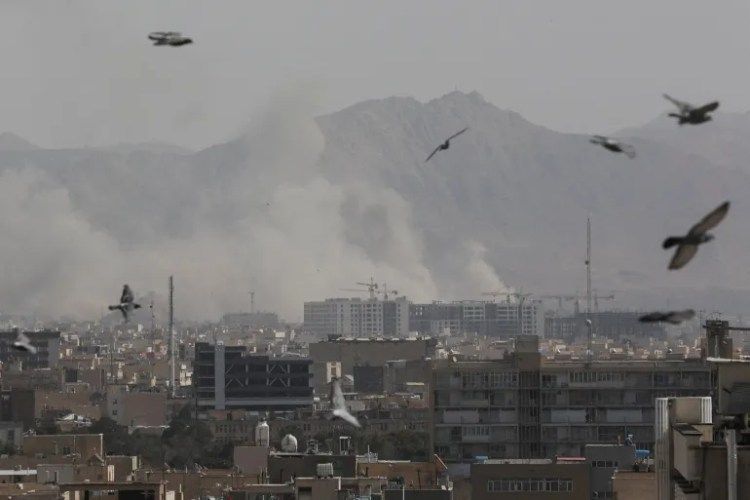
Coordinated military strikes by the United States and Israel across Iran have reportedly killed at least 555 people, according to the Iranian Red Crescent Society, marking one of the most severe escalations in the region in recent years. The strikes, which began earlier this week, targeted Iranian military installations and strategic sites across 24 of the country’s 31 provinces, including Tehran and southern regions, and have caused widespread casualties among both civilians and military personnel.
Among the reported deaths, 165 occurred in a girls’ school in Minab, southern Iran, where many victims were children, according to emergency responders and Iranian media. The attacks have also affected U.S. and Israeli personnel. Three American service members were confirmed killed, with several others injured, while Israeli officials reported fatalities and injuries from Iranian missile strikes on their territory.
In retaliation, Iran has launched missiles and drones against Israel and U.S. bases in the Middle East, and Iranian-aligned militias, including Hezbollah, have become active in the conflict, broadening its geographic scope. U.S. and Israeli officials claim that multiple high-ranking Iranian military leaders were killed or incapacitated during the initial strikes, with President Donald Trump stating that dozens of Iranian leaders were eliminated, though independent verification remains difficult.
The strikes have devastated civilian infrastructure, including schools and residential areas, and international observers warn of a looming humanitarian crisis. Travel disruptions and airspace closures are widespread, and global oil prices have surged amid fears of prolonged conflict. Diplomats from major world powers have called for restraint, but no ceasefire has been established, and the situation remains highly fluid.
Analysts caution that continued escalation could draw in additional regional actors, further destabilizing an already volatile area. Casualty figures are expected to rise as the conflict develops, underscoring the growing risk of a broader regional confrontation.