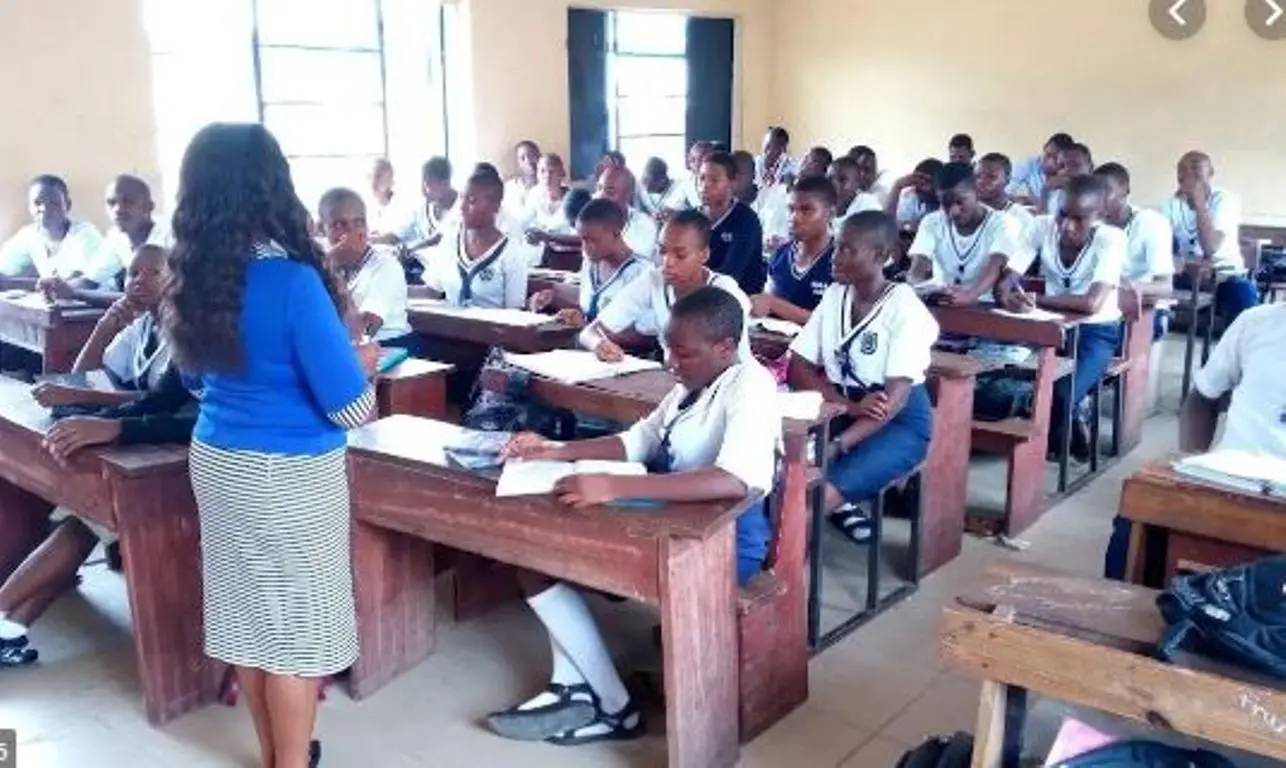
In a powerful advocacy move aimed at boosting human capital and safeguarding local resources, the Pan Niger Delta Forum (PANDEF) has issued a clarion call to the governors of the Niger Delta region to intensify scholarship support for students and deepen resource protection efforts as cornerstones of sustainable development.
The statement from PANDEF comes amid ongoing challenges in the region, where issues like youth unemployment, environmental degradation, and limited access to quality education continue to hamper socio-economic progress. By championing education alongside resource stewardship, PANDEF reiterated that human and natural assets must be nurtured together to unlock the Niger Delta’s full potential.
Why Education Matters in the Niger Delta Context
Education experts and stakeholders agree that academic empowerment is one of the most effective tools for transforming underserved communities. For the Niger Delta — a region rich in natural resources yet grappling with structural development challenges — investments in scholarship programmes can:
- Increase access to tertiary education for underprivileged students
- Build skilled local workforces
- Reduce economic reliance on extractive industries
- Encourage innovation and entrepreneurship
By calling on governors to scale scholarship initiatives, PANDEF is advocating for long-term investment in human capital development, which could help the region tackle unemployment and strengthen its contribution to national growth.
Resource Protection: A Dual Priority
PANDEF’s appeal was not limited to education alone. The forum urged leaders to also prioritise the protection of the Niger Delta’s resources — especially oil, gas, and the environment — which have historically been exploited with limited benefit accruing to local communities.
This dual focus reflects a broader strategic vision where education and environmental stewardship work in tandem. PANDEF’s position underscores the idea that:
- Sustainable resource management enhances economic resilience, and
- A better-educated populace is more empowered to engage in resource governance and green innovation
In effect, the forum is urging a shift from short-term extraction towards balanced, long-term development informed by knowledge, skills and environmental care.
Bridging Policy and Practice
Governors in the Niger Delta have previously launched scholarship programmes and educational support initiatives at various scales. For instance, there have been announcements of scholarship approvals for vulnerable students and targeted bursary schemes aimed at supporting families affected by socio-economic challenges.
However, PANDEF’s push suggests that more coordinated and expansive efforts may be needed to meet the growing demand, especially as many students still struggle with tuition costs and limited opportunities in their communities. By urging that education be treated as a protective “shield” against poverty and disenfranchisement, the forum is placing education at the heart of regional stability and growth.
Voices from the Field
Local educators, community leaders, and advocacy groups have welcomed the call, noting that scholarships are key to building confidence among Niger Delta youth, many of whom have been historically marginalised despite the region’s resource wealth. Scholarships not only ease financial burdens but also foster a culture of merit, aspiration, and civic engagement.
Simultaneously, activists focused on environmental protection have stressed that improved education outcomes can help cultivate a generation of professionals equipped to lead sustainable development projects, enforce environmental standards, and innovate solutions to long-standing ecological challenges.
Looking Forward: A Unified Strategy
PANDEF’s message serves as a timely reminder that education and resource protection should converge in policy, investment, and governance. For the governors of Delta, Rivers, Bayelsa, Akwa Ibom, and other Niger Delta states, this means:
- Expanding scholarship access and financial support for students
- Developing targeted educational programmes in STEM and vocational skills
- Strengthening community-level initiatives that tie education to environmental protection
- Promoting transparency and accountability in resource management
By championing these priorities, regional leaders can help ensure that the Niger Delta’s abundant natural wealth translates into inclusive development and opportunities for all citizens.