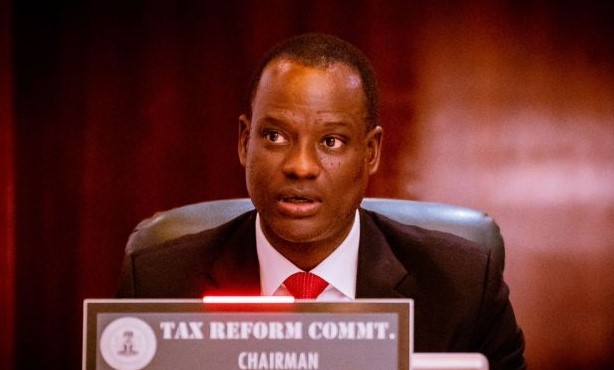
Amid swirling rumours on social media and widespread public anxiety about the impending tax reforms scheduled to begin in January 2026, the Chairman of the Presidential Committee on Tax Policy and Fiscal Reforms, Taiwo Oyedele, has issued a firm and reassuring clarification: Nigerians’ bank accounts will not be frozen or automatically debited next year. He described the alarming claims as false, misleading and without any basis in law.
Understanding the Rumour and Why It Spread
As part of the broader tax overhaul set to take effect in 2026, a wave of misinformation has been circulating online. These claims suggested that if Nigerians did not take specific actions — such as obtaining a Tax Identification Number (TIN) or complying with certain tax requirements — their bank accounts could be frozen or automatically debited starting January 1. This narrative triggered fear and confusion among citizens who worried about having access to their own funds.
However, Oyedele was quick to counter these narratives, stressing that there is no section in the new tax laws that gives any authority for an automatic freeze or automatic debit of bank accounts. He urged Nigerians not to panic and to be cautious about unverified claims designed to “manipulate” public sentiment.
What Oyedele Said — Clarity on the Facts
In a post on his official social media channel, Oyedele addressed the misinformation directly:
- He assured citizens that their bank accounts are safe, and that the tax reforms do not include any provision that authorises account freezes or automatic deductions.
- He urged Nigerians not to let fear drive their interpretation of the reforms, reminding them to ask for evidence in the law when confronting such claims.
- The Chairman emphasised that the concerns stem from misinterpretations of the new tax framework, and reinforced the importance of relying on official sources.
Why Misinformation Gained Traction
The context of the new tax laws — described as one of the most significant overhauls of Nigeria’s tax system in decades — created fertile ground for speculation. With major changes touching on tax identification, filing requirements and business tax provisions, social media rumours evolved rapidly, linking the reforms to extreme measures like forced freezes of personal accounts. Such claims, however, have no legal foundation and are not supported by any published provision of the law as gazetted.
The Real Intent of Tax Reforms
While addressing the false rumours, Oyedele also stressed the positive goals of the reform agenda. The new tax regime aims to:
- Simplify tax structures and modernise compliance.
- Expand fairness and inclusion across different taxpayer categories.
- Reduce tax burdens for the vast majority of Nigerians, including exemptions for many lower-income workers and small businesses.
- Provide incentives such as input VAT credits to support business growth.
In previous statements, Oyedele highlighted that the reforms could potentially reduce the tax burden for most people, requiring fewer individuals to qualify for outdated or redundant payments under the old system. Such structural changes are designed to foster economic participation rather than restrict financial access.
What Nigerians Should Do Going Forward
With the clarification issued, Nigerians are encouraged to:
- Ignore unverified information that evokes fear or panic.
- Rely on official government announcements and credible news sources when considering policy changes.
- Seek accurate guidance on how the new tax laws affect individual tax obligations, filing requirements and compliance thresholds.
- Understand that reforms relate to administrative and fiscal policy shifts, not punitive actions such as freezing personal accounts.
Final Word: No Freezes, Just Reform
The confirmation by Taiwo Oyedele provides an important reset for public expectations as Nigeria prepares for significant tax reform in 2026. Far from being a punitive measure, the new framework is intended to modernise the tax system, improve fairness and reduce administrative burdens — all while safeguarding citizens’ financial rights. With the rumour of account freezes firmly dismissed, Nigerians can approach the coming reforms with greater clarity and confidence.