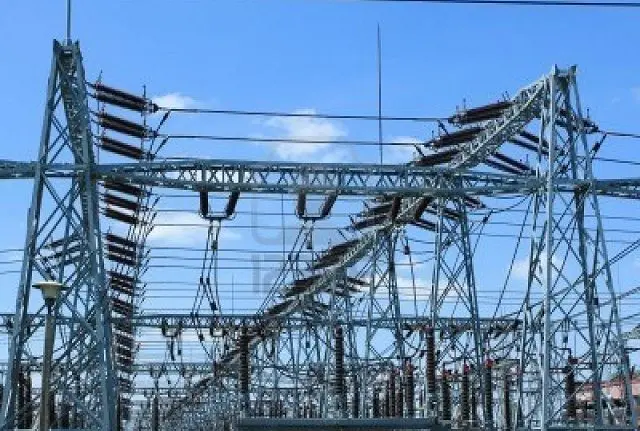
The Nigerian power sector is at the cusp of a transformative shift, as the Federal Government (FG) and key industry stakeholders, including PwC Nigeria, highlight critical priority actions to enhance electricity generation, distribution, and reliability nationwide. The recent 15th Annual Power & Utilities Roundtable hosted by PwC has brought renewed focus on strategies to strengthen Nigeria’s energy framework, signaling a major turning point for investors, state governments, and consumers alike.
Context: The Current State of Nigeria’s Power Sector
Despite significant reforms in the past decade, Nigeria’s power sector continues to grapple with systemic challenges. Unreliable electricity supply, insufficient infrastructure, and outdated regulatory frameworks have hindered economic growth and constrained household access to power.
The introduction of the Electricity Act 2023, however, has opened avenues for state-level interventions and private sector partnerships. This multi-tier electricity market model empowers sub-national governments to actively participate in power generation, distribution, and supply — breaking away from the traditional centralized national grid model.
Key Priority Actions Highlighted by FG and PwC
During the roundtable, stakeholders emphasized several strategic actions necessary to achieve a reliable and sustainable electricity supply:
Enhanced Collaboration Between Regulators and Power Operators
Effective coordination between federal regulators, state governments, and private operators is critical. Stakeholders agreed that clear roles, responsibilities, and accountability mechanisms will enable smoother operation and reduce systemic inefficiencies.
Leveraging the Multi-Tier Electricity Market
The new market structure allows states to license private entities for local power projects. By decentralizing electricity management, states can implement tailored solutions to meet their specific energy needs, ultimately enhancing reliability and reducing dependence on the national grid.
Operational Excellence and Business Model Innovation
PwC partners highlighted that power companies must shift focus from regulatory protection to operational efficiency, customer satisfaction, and innovative business models. Embracing technology such as Artificial Intelligence (AI) and advanced metering infrastructure can optimize energy distribution and consumption patterns.
Strengthening Regulatory Oversight
To prevent market fragmentation, effective regulatory frameworks must govern the interactions between multiple stakeholders. This includes clear licensing processes, transparent reporting, and mechanisms to enforce service quality and reliability standards.
Encouraging Private Sector Investment
The reforms open significant opportunities for investors willing to develop generation and distribution projects at the state level. Private sector involvement is essential to bridge infrastructure gaps, provide modernized solutions, and ensure continuous electricity supply across Nigeria.
Implications for Nigeria’s Power Sector
The strategic actions proposed carry significant implications:
- Improved Access and Reliability: State-level initiatives can complement national efforts, potentially reducing outages and improving household and business access to electricity.
- Economic Growth Opportunities: With more reliable power, industries can expand, creating jobs and attracting further investment.
- Market Competition: A decentralized approach fosters healthy competition among operators, driving innovation, efficiency, and better service delivery.
- Transition Challenges: The move from centralized to multi-tier systems may involve temporary uncertainty as companies and states adjust to new roles and responsibilities.
The Road Ahead: Monitoring Implementation and Impact
For Nigeria to reap the benefits of these reforms, it will be crucial to monitor implementation closely:
- States must develop technical and institutional capacity to manage local electricity projects effectively.
- Regulatory bodies must maintain consistent oversight to prevent duplication, inefficiencies, or service disparities.
- Private investors need assurance of predictable policy environments and commercial viability to ensure sustained engagement.
With coordinated effort, these reforms could usher in a new era of reliable, efficient, and accessible electricity across Nigeria, transforming the power sector into a major driver of economic growth.
The partnership between the Federal Government, PwC, and other stakeholders marks a decisive step towards revolutionizing Nigeria’s power sector. By prioritizing operational excellence, innovation, regulatory clarity, and state-level participation, the country can overcome longstanding challenges in electricity supply.
The upcoming months will be crucial as these priority actions are implemented, setting the stage for a brighter, more electrified future for Nigeria.