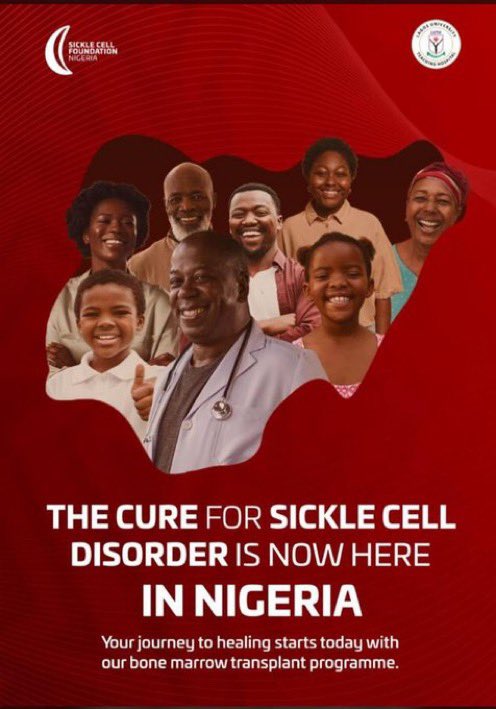
In what many are describing as one of the most hopeful healthcare breakthroughs in recent Nigerian history, the Lagos University Teaching Hospital (LUTH) — in partnership with the Sickle Cell Foundation Nigeria (SCFN) — has unveiled a bone marrow transplant programme that is now offering a curative treatment option for sickle cell disorder right here in Nigeria. This development is generating widespread optimism as families affected by this lifelong genetic condition see a pathway to lasting relief and renewed hope.
Nigeria Takes a Leap Forward — Life-Transforming Cure for Sickle Cell Patients Now Available in Lagos
For decades, Nigerians living with sickle cell disease (SCD) have faced painful health challenges, limited treatment options, and the heavy emotional and financial toll of seeking advanced care abroad. Now, thanks to remarkable progress at LUTH and the SCFN’s dedicated efforts, a bone marrow transplant programme is fully operational, providing access to a proven curative therapy without leaving the country.
Understanding Sickle Cell Disease: A Bold Step Against a Major Health Burden
Sickle cell disease is an inherited blood disorder that affects the shape and life of red blood cells, leading to painful episodes, infections, organ damage, and greatly reduced quality of life. Nigeria bears the highest burden of SCD globally, with an estimated 150,000 babies born with the disorder every year. Until now, most curative treatments — particularly bone marrow or stem cell transplants — were largely inaccessible or unaffordable for local patients.
A Breakthrough Accessible at Home: Bone Marrow Transplant Comes to LUTH
The bone marrow transplant (BMT) programme at LUTH, developed in collaboration with the Sickle Cell Foundation Nigeria, represents a major leap forward in treatment availability:
- The programme uses bone marrow or stem cell transplantation from compatible donors — often family members — to replace sickled blood cells with healthy ones, effectively curing the disorder.
- This treatment approach has been used internationally for years and is now available to patients locally thanks to this initiative.
This development removes the historical barrier of needing to travel abroad for such advanced care, significantly improving access and reducing the financial and emotional strain on families.
How the Programme Works: A Multi-Disciplinary Approach
The bone marrow transplant process involves several key components:
- Comprehensive Patient Evaluation: Patients are assessed to determine suitability for the procedure, with priority often given to those with severe disease complications.
- Donor Matching and Preparation: Donors, usually siblings or family members with matching tissue types, provide healthy stem cells.
- Pre-Transplant Conditioning: Patients undergo treatments like blood transfusions, chemotherapy, and infection prevention to prepare the body.
- Transplant and Recovery: Healthy stem cells are infused, and patients receive intensive follow-up care, often over 12 months, to ensure successful engraftment and recovery.
This multidisciplinary process requires close monitoring by specialists, including hematologists, pediatricians, nurses, and allied health professionals.
Real Results: Nigerian Patients Benefit Locally
The bone marrow transplant programme has already moved beyond planning stages — it has delivered successful transplants, with patients showing promising recovery under expert care. These outcomes represent not only medical success but a huge psychological and social breakthrough for families who previously believed such treatments were out of reach on Nigerian soil.
Important Context: Not All Patients Need a Transplant
While this breakthrough is monumental, it’s important to note that bone marrow transplant is not required or appropriate for every person with sickle cell disease. Expert guidance suggests that only certain patients — particularly those with frequent severe complications — are ideal candidates for the procedure. Those with milder symptoms may manage their condition through other established treatment plans.
Why This Matters: From Hope to Concrete Progress
This development is significant for several reasons:
- Reduced Medical Tourism: Nigerian patients no longer need to travel overseas at great expense for a cure that is now accessible locally.
- Improved Healthcare Capacity: LUTH’s programme elevates Nigeria’s medical infrastructure, setting a precedent for other advanced treatments.
- New Hope for Families: For countless families, this programme transforms sickle cell disease from a lifetime burden into a treatable condition.