A dramatic escalation in Middle East tensions unfolded early Saturday as Israel confirmed it had launched what it described as a “pre-emptive strike” against Iran, triggering nationwide emergency measures and fears of an imminent retaliatory attack.
Israel’s Defence Minister, Israel Katz, said the operation was carried out to neutralise what he characterised as an immediate and growing threat from Iran. According to Israeli officials, the strikes targeted strategic military and security infrastructure believed to be linked to Iran’s missile capabilities and broader regional operations.
Within hours of the operation, air-raid sirens sounded across multiple Israeli cities, including Jerusalem and Tel Aviv, as authorities warned citizens to prepare for potential missile or drone retaliation. The Israeli government declared a nationwide state of emergency, temporarily shutting down schools and advising residents to remain close to designated shelters. The country’s Home Front Command issued urgent alerts directing civilians to protected spaces.
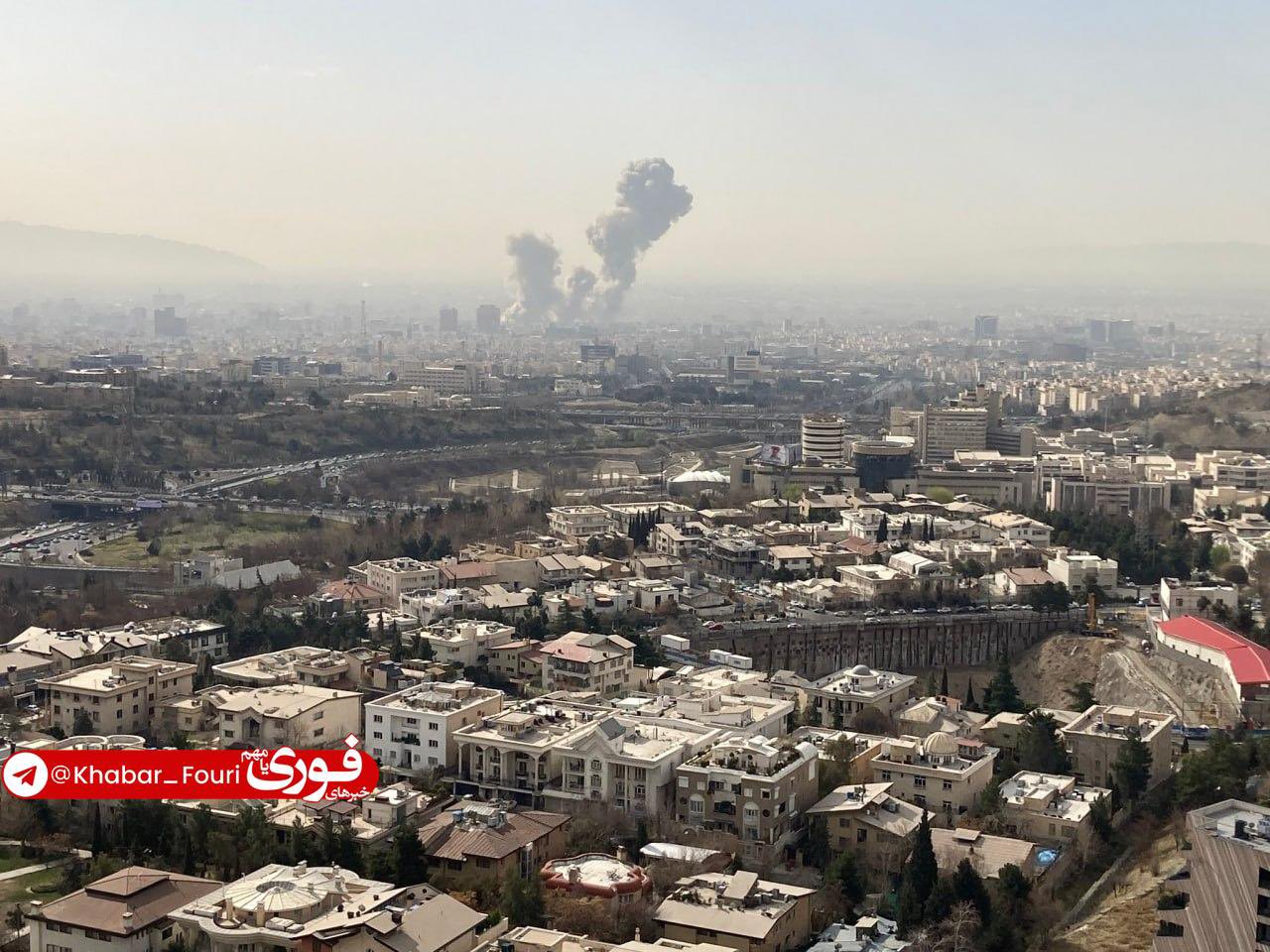
Explosions were reported in several Iranian cities, including Tehran, Isfahan, Qom and Karaj. Iranian state media acknowledged the blasts but did not immediately release detailed casualty figures or a full assessment of the damage. Witness accounts described plumes of smoke rising in parts of the capital, particularly in areas believed to house sensitive government and military installations.
Amid the unfolding crisis, Iran’s Supreme Leader, Ali Khamenei, was reportedly moved to a secure location outside Tehran as a precautionary measure. Iranian authorities also closed the country’s airspace, grounding civilian flights and heightening security across major cities.
While Israeli officials framed the operation as defensive and necessary, Iranian leaders signaled that a response was under consideration. State-affiliated media outlets quoted senior officials warning of a “crushing” retaliation against Israeli and allied targets if aggression continued. Analysts say such retaliation could involve ballistic missiles, long-range drones, or activation of allied militia groups across the region.
The strike follows months of escalating tension over Iran’s nuclear programme and ballistic missile development. Israeli officials have repeatedly described Tehran’s expanding capabilities as an existential threat. Diplomatic efforts aimed at reviving nuclear agreements have stalled in recent weeks, raising concerns that military options were gaining traction behind closed doors.
International reaction has been swift. Governments across Europe, Asia and the Gulf have called for restraint, warning that a direct confrontation between Israel and Iran risks igniting a broader regional conflict. Global markets also reacted sharply to the news, with energy prices spiking amid fears of disruption to oil supply routes in the Gulf.
Security experts caution that the situation remains fluid and highly volatile. The sounding of sirens across Israel suggests authorities anticipate a rapid counter-strike. Meanwhile, the closure of Iranian airspace underscores Tehran’s expectation of continued hostilities.