The Nigeria House of Representatives has taken decisive action in response to a growing controversy surrounding recent tax reform legislation, after lawmakers raised serious concerns that the versions of the laws officially gazetted for public use may not accurately reflect the texts passed by the National Assembly.
Allegations of Discrepancies Trigger Parliamentary Action
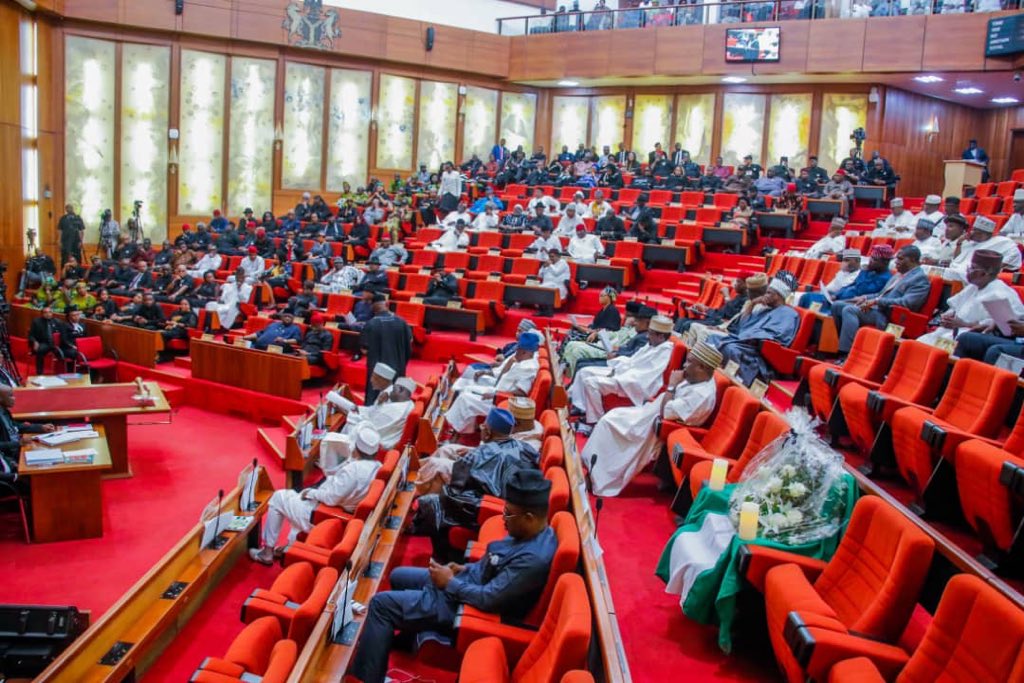
On Thursday, the Speaker of the House of Representatives, Tajudeen Abbas, constituted a seven-member ad-hoc committee tasked with investigating alleged alterations in the gazetted copies of four key tax laws. The committee was formed following a matter of privilege raised by Hon. Abdulsammad Dasuki (PDP, Sokoto), who alerted the House to what he described as discrepancies between the gazetted texts and the versions approved by both chambers of the National Assembly.
Dasuki told colleagues that after reviewing copies of the laws obtained from the Federal Ministry of Information, he discovered material differences between the published versions and the bills debated, harmonised, and voted on during plenary sessions. He argued that such discrepancies — if confirmed — would amount to a breach of constitutional procedures and undermine legislative integrity.
Committee Composition and Mandate
The seven-member committee will be chaired by Hon. Mukhtar Betara, with other members including Ahmed Idris, Sada Soli, James Faleke, Babajimi Benson, Iduma Igariwey, and Frederick Agbedi. The panel has been given a one-week timeframe to examine the allegations and report back to the House for further action.
The task before the committee is to compare the bills passed by the National Assembly with the gazetted versions in circulation, determine the nature and extent of any amendments or discrepancies, and establish whether any unauthorised changes occurred after legislative approval.
Lawmakers Warn of Constitutional Breaches
During plenary, Hon. Dasuki emphasised that the alleged differences could constitute a violation of Section 4 and other constitutional provisions that vest law-making powers exclusively in the National Assembly. He urged the Speaker to ensure full scrutiny of all relevant documents — including the harmonised bills and votes and proceedings — to identify divergences and make necessary corrections.
Opposition voices within the House have framed the issue as more than a clerical matter, describing it as a significant procedural concern that could affect public confidence in the legislative process if left unresolved.
Background: Tax Reform Laws and Implementation Timeline
The four tax laws at the centre of the debate were originally passed by both chambers of the National Assembly earlier in the year and signed into law by President Bola Ahmed Tinubu in June 2025. These laws — which include the Nigeria Tax Act, Nigeria Tax Administration Act, Nigeria Revenue Service (Establishment) Act, and Joint Revenue Board Act — are designed to overhaul the country’s tax framework and are set to take effect from January 1, 2026.
Under normal constitutional procedure, once a bill is passed by the legislature and assented to by the President, it must be officially gazetted before becoming enforceable law. The concerns raised by lawmakers centre on whether the texts gazetted and currently circulating match the legislative intent and approved versions of the tax reforms.