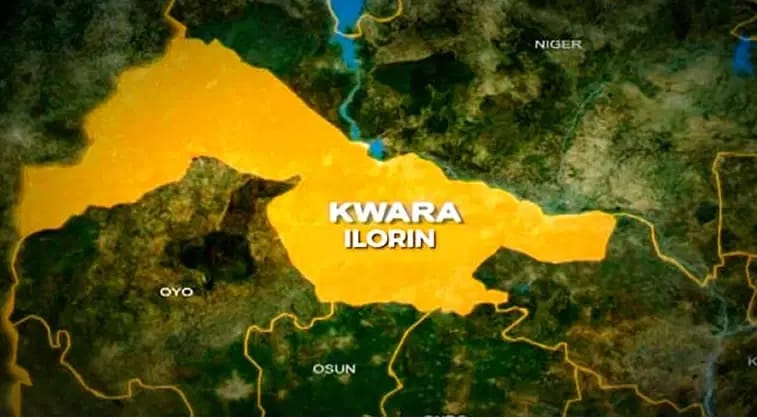
In a major step aimed at easing the financial burden on parents and improving the standard of education in public primary schools, the Kwara State Government has announced the scrapping of the Parents Teachers Association (PTA) levy across all government-owned primary schools in the state.
The decision, announced on October 6, 2025, marks a significant shift in Kwara’s approach to basic education funding and management, as the government moves to make public schools truly free, inclusive, and accessible for all children regardless of socio-economic background.
Kwara Ends PTA Levy for Primary 1 to 6 Pupils
Under the new directive, no public primary school in Kwara State—from Primary 1 to Primary 6—will be allowed to collect any form of PTA or “developmental” levy from parents and guardians.
This move is part of Governor AbdulRahman AbdulRazaq’s education reform agenda, which seeks to remove all hidden costs that prevent children from low-income families from accessing basic education.
According to the announcement, the state government will take over the financial responsibilities previously covered by PTA levies, including the provision of running costs and maintenance funds for all public primary schools.
Government to Provide Annual School Grants to 1,717 Public Primary Schools
To ensure smooth operation and sustainability of the policy, the Kwara State Government will release annual school grants to all 1,717 public primary schools across the state.
These grants are expected to cover minor repairs, teaching aids, utilities, and other essential expenses that schools previously managed through PTA contributions.
The government explained that this new funding structure will not only guarantee accountability but also reduce disparities between urban and rural schools, ensuring that every child in Kwara learns under conducive conditions.
Free Distribution of English and Mathematics Textbooks
As part of the same initiative, the government will begin free distribution of English and Mathematics textbooks to all pupils in public primary schools.
This is intended to support foundational literacy and numeracy skills — two core areas where many pupils have lagged behind due to lack of access to quality learning materials.
The free textbook distribution aligns with the Universal Basic Education Commission (UBEC) framework and the state’s broader Education for All mission, which aims to eliminate barriers to learning materials for children in underserved communities.
Major Infrastructure Overhaul in Kwara Primary Schools
The announcement was accompanied by details of ongoing and upcoming school infrastructure projects across Kwara State.
The state government revealed plans to:
- Construct and renovate classrooms, administrative offices, and toilet facilities in public schools.
- Drill solar-powered boreholes and build tank stands to ensure clean water supply within school environments.
- Rehabilitate digital literacy centers to boost ICT education at the basic level.
- Procure foundation literacy materials for improved reading and writing culture.
- Distribute two-seater pupils’ furniture to enhance classroom comfort and organization.
- Implement the Safe Schools Initiative in selected local government areas to strengthen school safety and protect learners from environmental and security risks.
These interventions are expected to significantly uplift the quality of teaching and learning in primary schools and make the public school system more attractive to parents.
Governor AbdulRazaq’s Commitment to Basic Education
Governor AbdulRahman AbdulRazaq has repeatedly emphasized his administration’s commitment to making education free, fair, and of high quality for every child in the state.
He stated that scrapping the PTA levy is part of his government’s “no child left behind” policy, ensuring that financial constraints no longer keep children out of classrooms.
Under his leadership, the state has witnessed multiple education reforms, including the recruitment of qualified teachers, digital training programs, infrastructure rehabilitation, and the introduction of technology-driven monitoring systems to track school performance.
What This Means for Parents and Pupils
The removal of the PTA levy means that parents will no longer have to pay any form of fees or contributions to keep their children in public primary schools.
This comes as a relief to many low-income families struggling with the rising cost of living. With the introduction of free textbooks and better facilities, pupils are expected to experience improved learning outcomes and greater motivation to attend school regularly.
The policy also eliminates the inconsistencies where some schools charged higher PTA fees than others, creating inequality among pupils from different regions or economic backgrounds.
Experts and Public Reactions
Education experts have praised the move as a bold and progressive step toward strengthening basic education in Nigeria.
They noted that by removing financial barriers and ensuring equal access, Kwara is setting an example that other states should emulate.
However, some education analysts have also called for sustained funding and strict accountability measures, warning that failure to disburse grants on time or misuse of funds could undermine the reform’s success.
Parents across Ilorin and other parts of the state have expressed excitement, saying the policy will help them redirect scarce household resources to feeding, clothing, and health, without compromising their children’s education.
Looking Ahead: Kwara’s Path to Educational Transformation
With this new development, Kwara State has reaffirmed its leadership among Nigerian states investing meaningfully in education.
By replacing PTA levies with government-backed funding, the administration is positioning education as a public service rather than a shared financial burden.
The combination of free learning materials, improved infrastructure, and stronger teacher support could translate into better academic performance and long-term human capital development for the state.
As the policy unfolds, stakeholders and education monitors will be watching closely to see how effectively the grants are implemented and whether the reforms will lead to lasting improvements in the learning environment of Kwara’s public primary schools.
Summary Table: Key Highlights of the New Kwara Education Policy
| Policy Area | Details |
|---|---|
| Levy Status | PTA levies scrapped across all public primary schools |
| Beneficiary Schools | 1,717 public primary schools statewide |
| Funding Plan | Annual school grants from state government |
| Free Materials | English and Mathematics textbooks for all pupils |
| Infrastructure Works | Classrooms, toilets, boreholes, and digital literacy centers |
| Safety Initiative | Safe Schools Programme in selected LGAs |
| Objective | To make primary education free, equitable, and sustainable |
Final Thoughts
Kwara State’s bold decision to abolish PTA levies and directly fund public schools represents a transformative step for Nigeria’s education sector.
By focusing on access, quality, and accountability, the AbdulRazaq administration is laying the groundwork for a future where every child — regardless of background — can learn, grow, and thrive in a safe and well-equipped school environment.
This policy could set a national precedent and inspire similar reforms across other Nigerian states striving to achieve universal free basic education.