Lagos — In a development capturing headlines across the metropolis, long queues formed at MRS petrol stations across Lagos this week after the price of Premium Motor Spirit (petrol) was sharply reduced, prompting motorists to rush for the cheaper fuel amid heightened travel demand during the Christmas and New Year period.
Scenes of cars lined up for hundreds of meters were witnessed at several key locations as drivers sought to take advantage of the significant price difference offered at selected stations compared with other marketers.
What Sparked the Fuel Rush?
The surge in patronage was triggered after petrol prices at MRS retail outlets across Lagos dropped from around ₦890 per litre to approximately ₦739 per litre — a reduction of over ₦150 per litre that drew eager customers.
This new pricing follows a directive linked to Dangote Petroleum Refinery, which has been adjusting petrol prices in line with its downstream pricing strategy, leading to cheaper gantry rates that some marketers are now passing on to consumers.
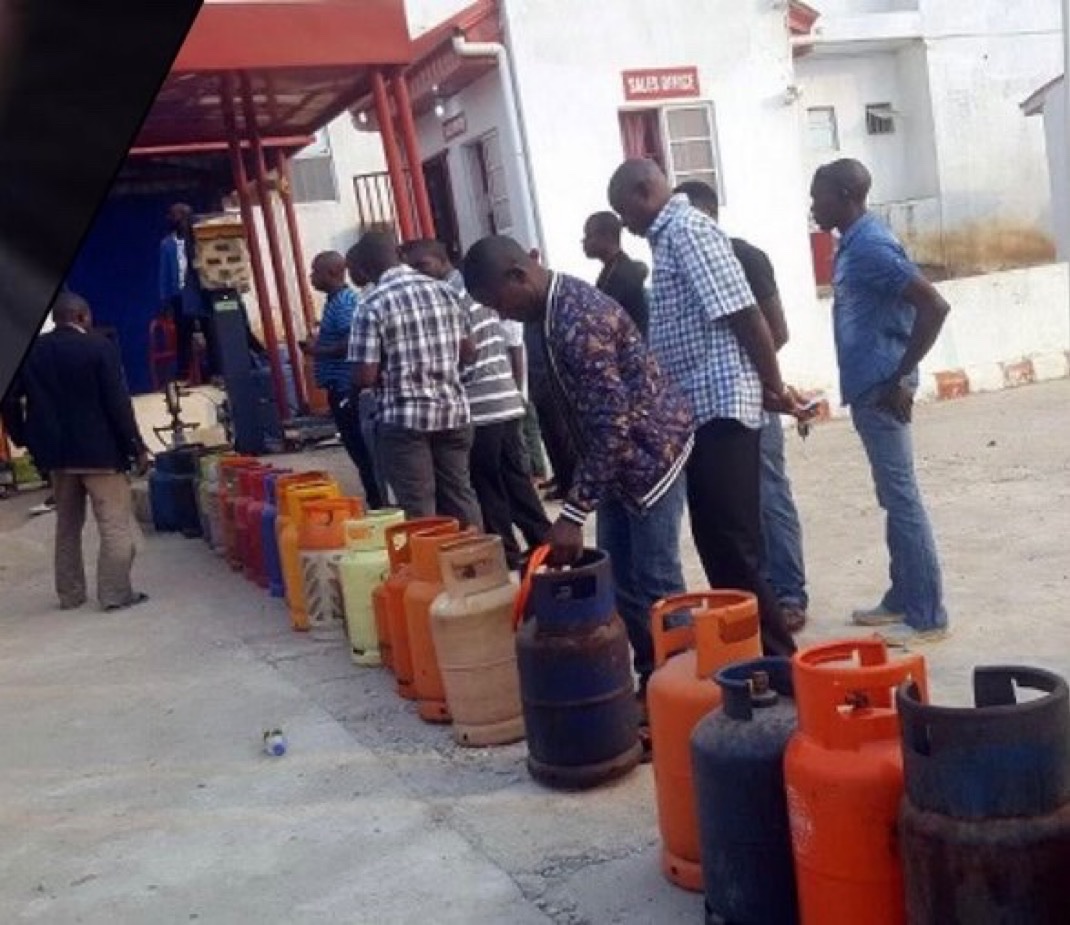
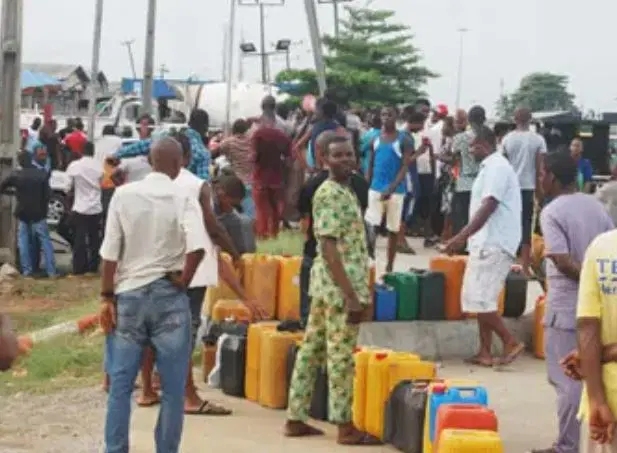
Long Queues and Traffic Snarls Across the City
Motorists and commuters reported seeing lengthy but orderly queues at multiple MRS stations across major corridors of Lagos, including Alaka, Onipanu, Anthony, Alapere, Oba Akran, Kodesho Street (Ikeja), Iju Road near Pen Cinema, Abule-Egba, and Ojota Bus Stop.
The crowds were most concentrated at outlets reflecting the new price, with many drivers willing to spend several hours in line just to fill up at the discounted rate.
The influx of vehicles waiting at these stations also contributed to localized traffic congestion, especially as road users jostled for positions to access fuel.
Motorists Welcome Relief as Costs Bite
Many Lagos drivers described the price cut as a much-needed relief, especially during the festive season when transportation costs traditionally spike. Several commuters noted that cheaper petrol was already beginning to translate into lower transport fares in some localities, softening the burden on passengers.
A number of drivers and transport operators expressed hope that the reduction would be sustained and extended beyond urban centres. They urged other major oil marketers and policymakers to follow suit by rolling out similar price reliefs nationwide, including in rural and hinterland communities.
Mixed Prices Across Stations: A Patchwork Scene
Despite the price cut taking effect at many MRS stations, some outlets in areas like Liasu Road, Idimu, and Akowonjo were observed still selling petrol for around ₦880 per litre—reflecting incomplete adoption of the new rate.
Industry insiders explained that logistical challenges, such as poor road access affecting fuel deliveries, are partly responsible for the slower price adjustment in certain stations.
Furthermore, other major marketers, including NNPC Retail, AP, Mobil, Northwest, Petrocam, and independent operators, continue selling petrol at prices ranging from roughly ₦880 to ₦890 per litre, indicating that the discount has not yet filtered through the broader market.
Calls for Fair Pass-Through and Monitoring
Some drivers and commuters urged transport operators to fully pass on the benefits of lower fuel costs to passengers, especially given the seasonal spike in travel. Others appealed to regulatory authorities to deploy monitoring teams to ensure fuel meters are accurate and that motorists receive the correct quantity of petrol purchased.
Transport stakeholders also called for improved dispensing systems at busy stations to help manage queues more efficiently and reduce the stress and time spent waiting for fuel.
What It Means for Consumers
The spur of activity at MRS stations highlights the growing sensitivity of Nigerian motorists to fuel pricing fluctuations — especially in a fully deregulated downstream petroleum market where local refining and distribution strategies, such as those by Dangote Refinery, increasingly influence pump prices.
For now, Lagos residents appear ready to queue for whatever price relief becomes available. The unfolding situation will be closely watched in the coming days as other marketers decide whether to adjust their prices to remain competitive and respond to shifting consumer demand.