In a development stirring both optimism and bewilderment across Borno State, President Bola Tinubu unveiled a fleet of 3,000 electric bikes and other electric vehicles during a state visit — even as the state government continues to enforce a ban on motorcycle use, including electric models. The contradiction has left residents asking key questions about policy clarity and practical implementation.
A Grand Transport Initiative by the Federal Government
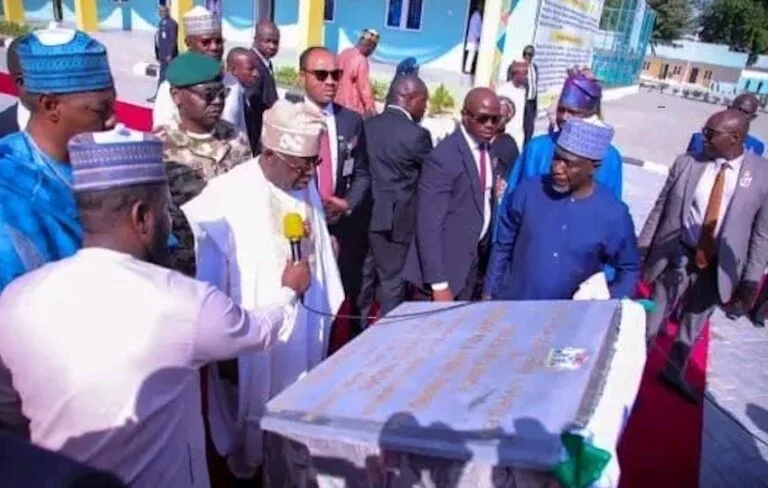
During his visit on Saturday, President Tinubu commissioned a comprehensive fleet of electric vehicles aimed at boosting transportation infrastructure across Borno State. The rollout includes:
- 3,000 electric bikes
- 500 tricycles
- 100 cars
- 20 buses, each with a 42-seater capacity
The President hailed the initiative as a transformative move that could improve mobility — especially in rural communities — and ease transportation costs for residents. Tinubu described the electric bikes, tricycles and charging infrastructure as essential tools to tackle longstanding mobility challenges.
The Motorcycle Ban That Still Stands
Despite the fanfare surrounding the unveiling, the Borno State Police Command has reiterated that the existing ban on motorcycle use remains firmly in place. This ban, instituted on July 25, 2024, prohibits the use of all motorcycles — both petrol-powered and electric — within the state as a security measure. It was enacted by the Borno State Security Council in response to persistent security concerns.
Police spokesperson ASP Nahum Daso confirmed that enforcement remains active and unaltered, warning that:
- Anyone found riding or possessing electric or petrol motorcycles will be arrested.
- Filling stations selling petrol to motorcyclists face sanctions and prosecution.
According to authorities, the ban continues to operate as an executive directive from the state governor and has not been officially rescinded.
Public Reaction: Confusion and Calls for Clarity
The juxtaposition of the electric bike unveiling against a still-active motorcycle prohibition has left many residents puzzled. Citizens in Maiduguri and surrounding areas have voiced questions about who is expected to use the newly commissioned bikes if the ban is still in force.
One resident from Polo, Maiduguri, Ibrahim Hassan, summed up the confusion: if motorcycles are banned, who are these bikes for? — and whether the government plans to lift the ban. Another resident, Alkali Adamu, echoed calls for clarity, stressing that ordinary citizens need clear guidance before making financial decisions related to purchasing such vehicles.
Others, including Umar Aminu, appreciated the concept behind the project but insisted that clarification from authorities is critical so that residents can assess whether the investment in electric bikes makes sense for their circumstances.
The Bigger Picture: Mobility vs. Security
The episode highlights a broader tension between development efforts and security policies in regions grappling with complex safety challenges. While the federal government pushes for modern, green transportation alternatives that could reduce costs and emissions, state policy continues to prioritize safety through restrictions on motorcycles — a frequently exploited mode of transport by insurgents and criminal elements.
Without coordinated communication between federal and state authorities, such initiatives risk generating mixed signals that leave the public uncertain about policy direction and priorities. Clear articulation and alignment of policies are vital to ensure that ambitious transport projects translate into real benefits for the communities they are intended to serve.