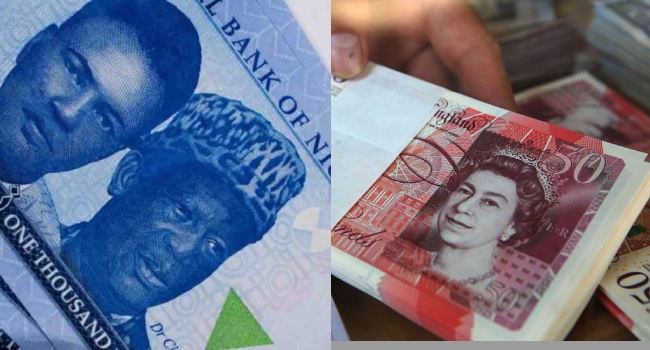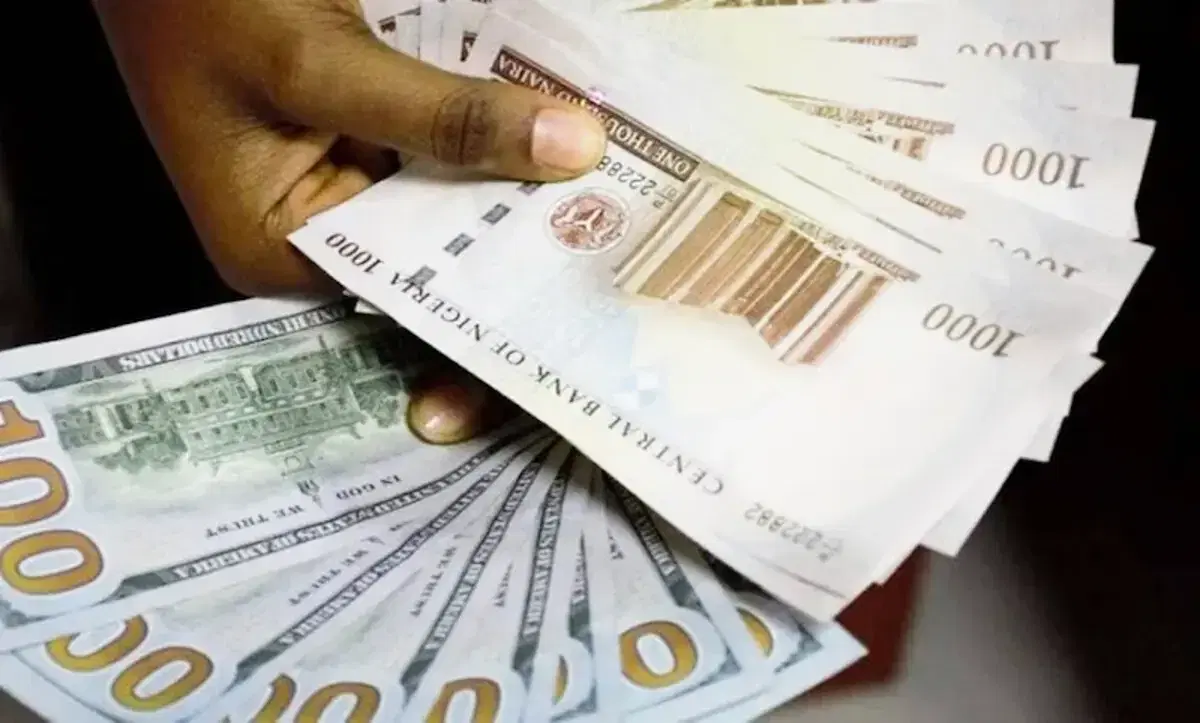
Nigeria’s national currency, the naira, weakened further against the United States dollar at the official foreign exchange market on Thursday, underscoring persistent pressure in the country’s currency market amid heightened demand for foreign exchange.
Figures released by the Central Bank of Nigeria (CBN) showed that the naira closed at ₦1,341.35 per US$1 in the official Nigerian Foreign Exchange Market (NFEM) on February 19, 2026. This represents a depreciation of ₦3.25 compared to the ₦1,338.10/$1 recorded at the close of trading the previous day.
The decline was reflected across key official market benchmarks. The NAFEX rate, which tracks transactions in the autonomous foreign exchange window, eased to approximately ₦1,338.75/$1, while the CBN’s own closing reference rate settled weaker at about ₦1,346.00/$1. Intraday trading saw the exchange rate fluctuate between a high of ₦1,350.00 and a low of ₦1,332.00 per dollar, highlighting ongoing volatility within the market.
Market analysts attribute Thursday’s depreciation primarily to increased dollar demand from importers, corporate entities meeting offshore obligations, and foreign portfolio investors adjusting positions amid global risk-averse sentiment. The sustained appetite for hard currency continues to exert pressure on official FX liquidity despite regulatory efforts to stabilise the market.
Interestingly, while the official window recorded a marginal loss, the naira showed relative strength in the parallel market, where it traded around ₦1,340 per dollar, improving from weaker levels earlier in the week. The narrowing gap between official and parallel market rates has been interpreted by some economists as a tentative sign of improving liquidity conditions, although volatility remains evident.
Currency strategists note that the near-term outlook for the naira will largely depend on the balance between foreign exchange supply and demand. Key supply drivers include crude oil export receipts, diaspora remittances, and foreign portfolio inflows. On the demand side, Nigeria’s import-dependent economy continues to generate consistent pressure on the FX market.
Despite ongoing reforms aimed at deepening transparency and improving efficiency in the foreign exchange system, the naira remains sensitive to both domestic liquidity dynamics and broader global financial conditions. With investors closely monitoring oil prices, external reserves, and monetary policy signals, further fluctuations in the coming sessions cannot be ruled out.