NASU protest, SSANU protest, ABU protest 2025, Ahmadu Bello University protest, university workers strike, Nigerian university unions, NASU and SSANU news, federal government unpaid allowances, university staff welfare, education news Nigeria 2025.
Introduction: Fresh Labour Tension Rocks Nigerian Universities
The Nigerian university system is once again in turmoil as the Non-Academic Staff Union of Educational and Associated Institutions (NASU) and the Senior Staff Association of Nigerian Universities (SSANU) have embarked on a protest at Ahmadu Bello University (ABU), Zaria, and across various campuses in Nigeria.
The unions, operating under the Joint Action Committee (JAC), took to the streets to express their frustration over the federal government’s failure to meet long-standing demands, including unpaid allowances, withheld salaries, and the non-renegotiation of their 2009 agreement with the government.
This latest demonstration, held in October 2025, marks another episode in the continuing tension between the government and university workers—an issue that threatens to destabilize Nigeria’s tertiary education system if left unresolved.
Background: The Roots of the NASU and SSANU Grievances
The protest by NASU and SSANU did not happen overnight. It is the result of years of broken promises, neglect, and unmet agreements.
The unions argue that the 2009 FGN/NASU/SSANU Agreement, which was supposed to ensure fair wages, improved welfare, and better working conditions for non-academic university staff, has not been implemented despite multiple negotiations and government committees.
Successive administrations have failed to honor the Memorandum of Understanding (MoU) signed after previous strikes, leading to repeated cycles of protests and industrial actions in Nigeria’s public universities.
Core Demands of NASU and SSANU in the 2025 Protest
The Joint Action Committee of NASU and SSANU outlined six major demands that triggered the nationwide protests:
1. Renegotiation of the 2009 FGN Agreement
The unions insist that the 2009 agreement has become outdated and must be reviewed to reflect current economic realities and inflation rates.
2. Payment of Withheld Two-Month Salaries
NASU and SSANU members had their salaries withheld during the 2022 industrial strike, yet the government has failed to release those funds despite multiple promises.
3. Settlement of Earned Allowances
The federal government reportedly disbursed ₦50 billion in earned allowances, but the non-teaching staff claim they were shortchanged, with the majority of the funds going to academic staff.
4. Payment of Wage Award Arrears
The unions are demanding the immediate payment of the 25% and 35% wage awards approved for university staff in 2023 but yet to be fully implemented.
5. Non-remittance of Deductions
The unions accuse the government of failing to remit third-party deductions for May and June 2022, including pension contributions, cooperative society dues, and insurance payments.
6. Poor Welfare and Neglect of Non-Teaching Staff
Beyond salaries, the unions lament systemic neglect, including inadequate staff housing, delayed promotions, and lack of recognition for administrative and technical staff contributions to university development.
Scenes from the Protest at ABU, Zaria
At Ahmadu Bello University (ABU), union members turned out in large numbers, carrying placards with inscriptions such as “Pay Our Earned Allowances,” “Implement the 2009 Agreement,” and “Stop the Discrimination Against Non-Academic Staff.”
The protest was peaceful but symbolic, attracting attention from students, academic staff, and university administrators.
The NASU and SSANU branch chairpersons led the demonstration, calling on the federal government to act immediately to prevent a total shutdown of universities nationwide.
They warned that if their demands are not addressed, the unions will proceed to a full-blown strike, which could paralyze university operations across the country.
Government’s Response: Denial and Promises
The Federal Ministry of Education and the National Universities Commission (NUC) have both acknowledged receiving the unions’ demands but claimed that “significant progress” had been made in addressing them.
According to government sources, about 80% of the unions’ requests have been met—a claim the unions strongly dispute, insisting that none of the critical issues have been fully resolved.
The Minister of Education reportedly promised to reconvene the Renegotiation Committee and ensure that outstanding arrears are addressed. However, NASU and SSANU argue that empty assurances have been repeated for over a decade without meaningful implementation.
Why the Protest Matters: Implications for Nigeria’s Education Sector
The ongoing NASU and SSANU protest carries significant implications for the stability of Nigerian universities and the future of tertiary education.
1. Disruption of Administrative and Academic Services
Non-teaching staff play essential roles in student registration, exams, laboratory maintenance, and hostel management. A prolonged protest or strike could cripple university operations, even if lecturers remain at work.
2. Declining Morale Among University Workers
Years of neglect have led to low motivation and brain drain among administrative and technical staff, many of whom now seek opportunities outside the education sector.
3. Impact on Students and Parents
When protests escalate into strikes, students face extended academic calendars, delayed graduations, and increased financial strain on parents who must bear extra costs for prolonged study periods.
4. Reputational Damage to Nigerian Universities
Frequent industrial actions have contributed to the decline of Nigerian universities in global rankings, making it harder for graduates to compete internationally.
Reactions from Stakeholders
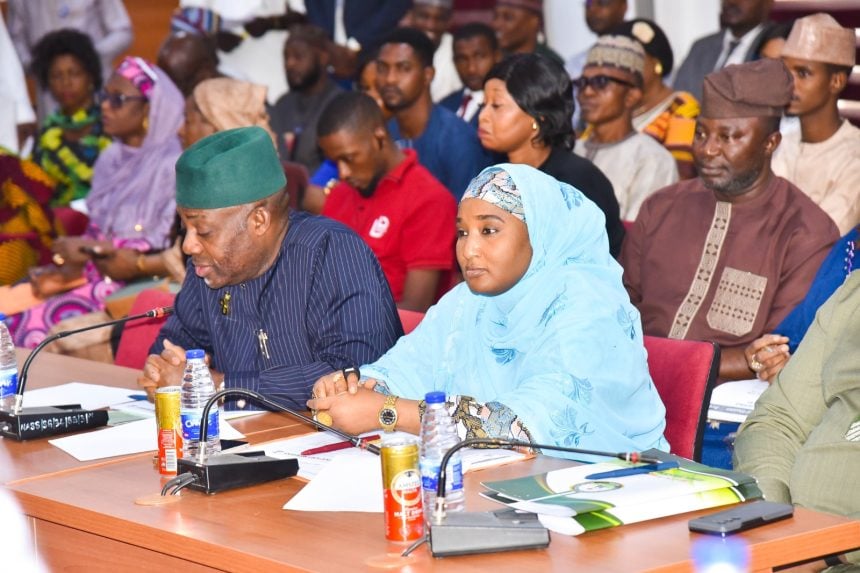
Several education stakeholders have expressed concern over the escalating tension between NASU/SSANU and the federal government.
- Students’ unions urged both sides to reach a compromise to prevent another round of strikes.
- Parent associations criticized the government for neglecting vital university workers.
- Some academic staff also expressed solidarity, noting that non-teaching staff are essential to the success of university operations.
In a joint statement, the unions emphasized that they are not seeking confrontation, but demanding justice and fair treatment.
What Happens Next?
The Joint Action Committee has given the government a short window to meet its demands before deciding whether to embark on an indefinite strike.
If the government fails to act, the unions may shut down federal and state universities, repeating the kind of system-wide paralysis seen in past industrial actions.
Observers believe that a proactive, transparent, and fair negotiation process is urgently needed to restore confidence and stability in Nigeria’s higher education system.
Conclusion: A Call for Urgent Dialogue
The NASU and SSANU protest at ABU and other universities underscores a deep-rooted crisis in Nigeria’s tertiary education labour relations.
Until the government fulfills its promises and prioritizes the welfare of all university workers, protests and strikes will continue to threaten the future of millions of students.
For sustainable peace in the education sector, both the federal government and university unions must embrace mutual respect, transparency, and genuine commitment to agreements.