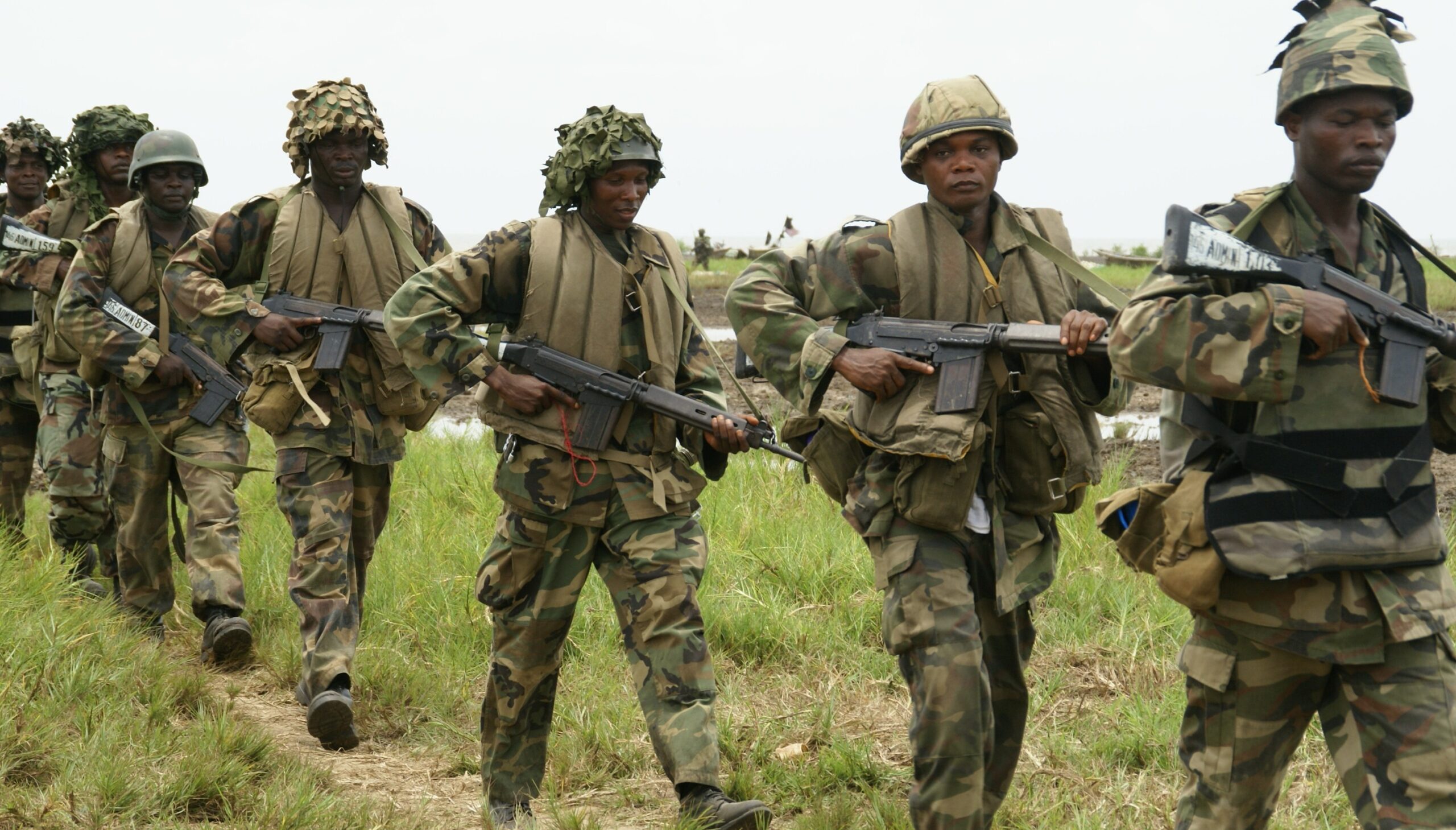
The Nigerian Army’s 8th Division has neutralised a notorious bandit commander, Kachalla Kallamu, in the Sabon Birni Local Government Area of Sokoto State. The mission, executed in collaboration with local vigilante teams based on actionable intelligence, signals renewed momentum in efforts to dismantle criminal networks in the Northwest corridor.
The strike occurred in the early hours of Monday near Kurawa village, targeting Kallamu and one of his top logistics suppliers, who was responsible for maintaining weapons and supply lines for the terror network. Military sources reported that this operation has disrupted a critical supply route sustaining bandit and terror activities in the eastern corridor of Sokoto State. Residents of the area, long haunted by displacement, insecurity, and attacks attributed to Kallamu’s operations, have expressed relief and hope following the news.
The operation’s significance extends beyond the neutralisation of a single commander. By also targeting the logistics network, the strike has undermined the operational capacity of the bandits, making it more difficult for the criminal network to regroup. This success also highlights the importance of credible local intelligence and community cooperation in security operations, demonstrating how civilian involvement can directly contribute to restoring peace. Eliminating a high-profile bandit leader often has a demoralising effect on criminal cells, potentially causing fractures, defections, or reduced recruitment efforts. The outcome further reinforces the military’s resolve and responsiveness, sending a strong message to other criminal elements operating in the Northwest.
This strike is part of an ongoing, intensified campaign across Sokoto and other Northwest states where security forces have neutralised multiple bandits, dismantled camps, and recovered weapons. In the Sabon Birni area alone, previous operations have neutralised numerous suspected bandits and recovered arms, highlighting the frequency and consistency of these missions. State authorities have also taken steps to assist victims, distributing food items and cash to displaced families and internally displaced persons, further supporting affected communities.
Despite the success, several challenges remain. The full scope of the disruption to Kallamu’s network is unclear, leaving the potential for regrouping under new leadership. Long-term stability will require sustained military pressure combined with socio-economic interventions, including rehabilitating displaced communities, restoring livelihoods, and rebuilding trust between civilians and security forces. Continued community cooperation is essential, but this relies on protection, follow-through, and assurances of safety. Splinter groups may also emerge, becoming more decentralised and harder to track, necessitating improved intelligence, surveillance, and local policing.
For stakeholders, the implications are clear. Local communities must continue providing timely intelligence and supporting reintegration efforts. Security agencies should maintain pressure and coordinate closely with communities, targeting not just leaders but the entire network, including logistics and supply chains. State governments and civil authorities need to couple security efforts with social support programs for victims to prevent resurgence. Civilians nationwide are encouraged to remain vigilant and support credible security initiatives.
The neutralisation of Kachalla Kallamu represents a major milestone in the fight against banditry in Sokoto State, delivering a decisive blow to both leadership and logistics of a terror network. For residents, it offers a rare moment of relief and hope after years of displacement and insecurity. However, this victory should not be seen as the end. Sustained peace will require ongoing operations, consistent community engagement, socio-economic rehabilitation, and vigilance. With cooperation between security forces, state authorities, and civilians, this success can become a turning point leading toward lasting stability and renewed normalcy for affected communities.