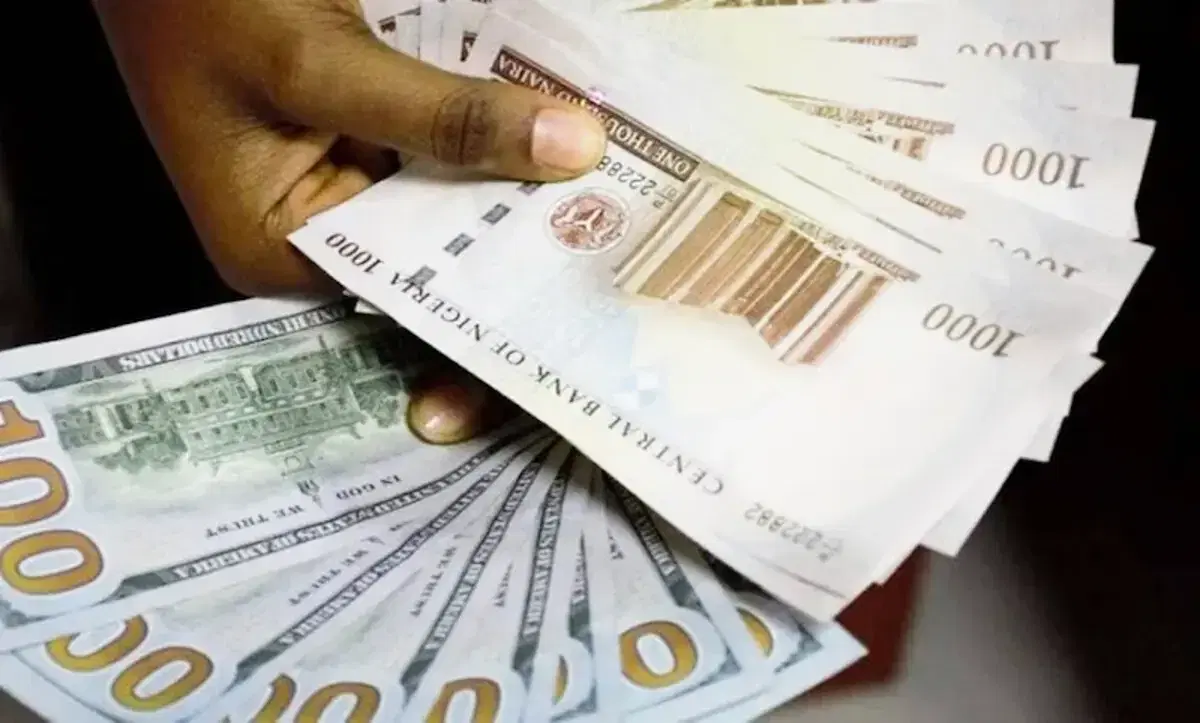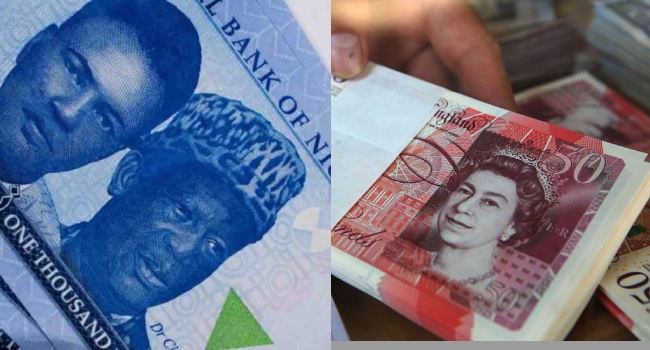
The Nigerian naira appreciated noticeably against the British pound on Tuesday, February 17, 2026, with the local currency trading at ₦1,806 to £1 in the official foreign exchange (FX) market, according to data from the Central Bank of Nigeria (CBN).
This development marks a significant shift in the naira’s performance against major foreign currencies and reflects a strengthening from much higher levels seen in previous months. For much of 2025 and early 2026, the naira frequently traded well above ₦1,900 per £1 in official windows, underscoring historical pressures on the currency.
Analysts say the improved valuation is driven by a combination of growing interest in naira‑denominated assets and weaker performance in the British pound, rather than only domestic factors. Recent UK labour market data showing rising unemployment and slowing employment growth have fuelled expectations of interest rate cuts by the Bank of England (BoE), putting downward pressure on sterling.
Economic observers note that a naira rate below the psychological ₦1,900/£ band carries importance, because that level was a persistent range of resistance throughout much of the past year.
Market Context
The foreign exchange outlook for Nigeria has been influenced by a series of reforms by the CBN, including efforts to liberalise and harmonise exchange rates and broaden FX liquidity. These reforms, coupled with modest improvements in foreign portfolio inflows and investor confidence, have contributed to a more robust naira performance in recent sessions.
Despite this specific gain against the British pound, the naira’s value remains sensitive to broader market dynamics and global currency movements. For instance, recent weeks showed the pound trading close to N2,000/£ in official windows before this latest strengthening, emphasising ongoing volatility in FX markets.
A stronger naira relative to the British pound can have immediate implications for importers, travellers, and investors: cheaper pound‑denominated imports and reduced costs for individuals transferring funds abroad, while exporters earning in sterling could see receipts convert to fewer naira.
As Nigeria’s FX landscape continues to evolve, market participants will be watching forthcoming UK economic data and CBN policies for further clues about currency trends.