Nigeria’s fragile electricity supply system is facing the threat of a deeper crisis as gas suppliers have begun halting fuel deliveries to thermal power plants over an estimated ₦3.3 trillion debt owed by power generation companies, a development that could worsen nationwide blackouts in the coming weeks.
The disclosure was made by Joy Ogaji, Chief Executive Officer of the Association of Power Generation Companies, who warned that the financial strain within Nigeria’s power sector has reached a critical stage. According to her, gas producers who supply fuel to electricity generation plants are increasingly refusing to continue deliveries without credible payment guarantees, citing the mounting debts owed to them by power producers.
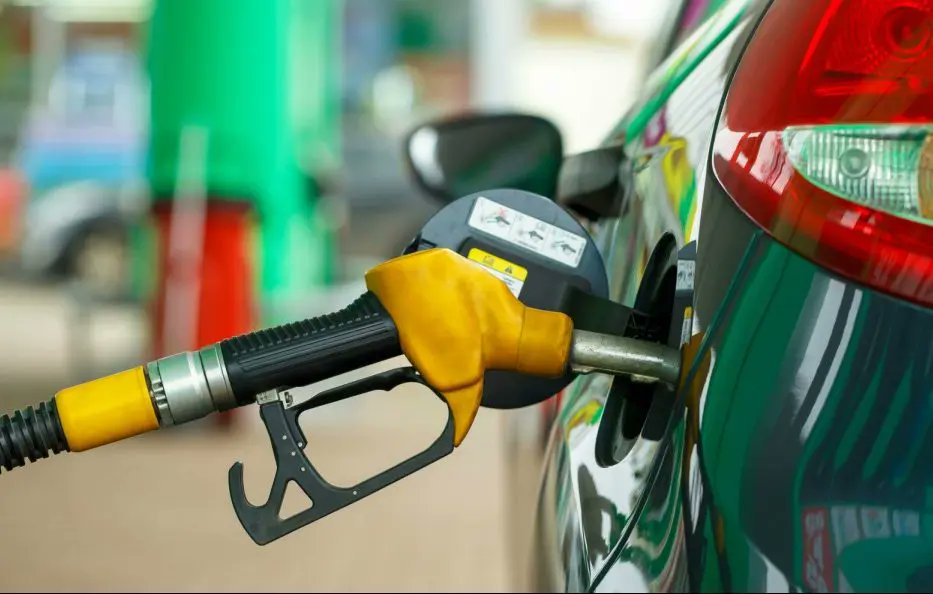
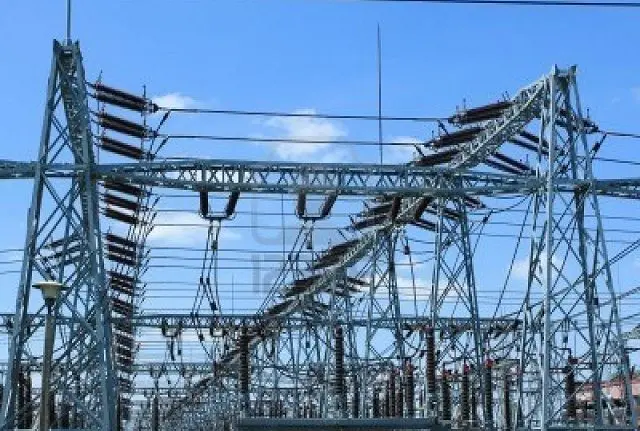
Nigeria’s electricity sector relies heavily on gas-fired plants, which account for the majority of power generation on the national grid. As a result, any disruption in gas supply immediately affects electricity production, leading to reduced power output and widespread outages across homes, businesses, and industries.
Ogaji explained that the debt crisis is a direct consequence of persistent payment shortfalls within the electricity value chain. She revealed that the Federal Government, through the electricity market structure, currently owes power generation companies about ₦6.8 trillion for electricity already generated and supplied to the national grid. Out of this amount, approximately ₦3.3 trillion is owed to gas suppliers, who provide the natural gas required to operate thermal power plants.
She noted that about 70 percent of the revenue expected by gas-fired power plants is meant to cover payments for gas supply and transportation, meaning that generation companies cannot settle gas invoices when they are not fully paid for the electricity they produce.
According to her, gas companies had continued supplying fuel to the power plants for years despite the growing debt burden, but the situation has now reached a point where many suppliers can no longer sustain operations without payment.
The development is already affecting electricity generation levels in the country. Industry data shows that Nigeria’s power plants require roughly 1,629 million standard cubic feet of gas per day to operate at optimal capacity. However, the actual gas supply currently available to power stations is estimated at about 692 million standard cubic feet per day, representing less than half of the volume needed to sustain stable electricity generation.
The shortage has forced several thermal plants to reduce production or shut down some of their generating units, causing electricity output on the national grid to drop significantly in recent weeks. In some instances, power generation has fallen below 4,000 megawatts, far below the level required to meet the electricity demand of Africa’s most populous nation.
At one point, Nigeria’s eleven electricity distribution companies had to share just 3,053 megawatts of electricity, a figure widely considered inadequate for a country with over 200 million people and a rapidly growing industrial sector.
The Transmission Company of Nigeria has therefore been forced to introduce load-shedding measures across the country, distributing the limited electricity available to different regions in phases in order to prevent a total collapse of the national grid.
Electricity distribution companies have also repeatedly informed consumers that the worsening power outages being experienced in many parts of the country are largely due to gas supply shortages affecting generation plants.
Industry stakeholders say the financial crisis in Nigeria’s power sector dates back to the 2013 privatisation of the electricity industry, when generation and distribution assets were transferred to private operators. Under the current electricity market structure, power generation companies produce electricity which is purchased by the Nigerian Bulk Electricity Trading Plc before being sold to distribution companies.
However, tariffs paid by electricity consumers have not been sufficient to cover the full cost of electricity generation. As a result, the bulk trader has struggled to pay generation companies in full, leading to a steady accumulation of unpaid invoices and debts throughout the sector.
Energy sector analysts say the debt problem has been compounded by government subsidy obligations, market inefficiencies, and weak revenue collection within the electricity distribution segment.
The worsening power shortage is already placing additional pressure on households and businesses across Nigeria. Many companies and small businesses now rely heavily on petrol and diesel generators to maintain operations, significantly increasing production costs and contributing to rising prices of goods and services.
Experts say the situation also highlights a troubling paradox: Nigeria possesses some of the largest natural gas reserves in Africa, yet the country still struggles to supply sufficient gas to its own electricity generation plants.