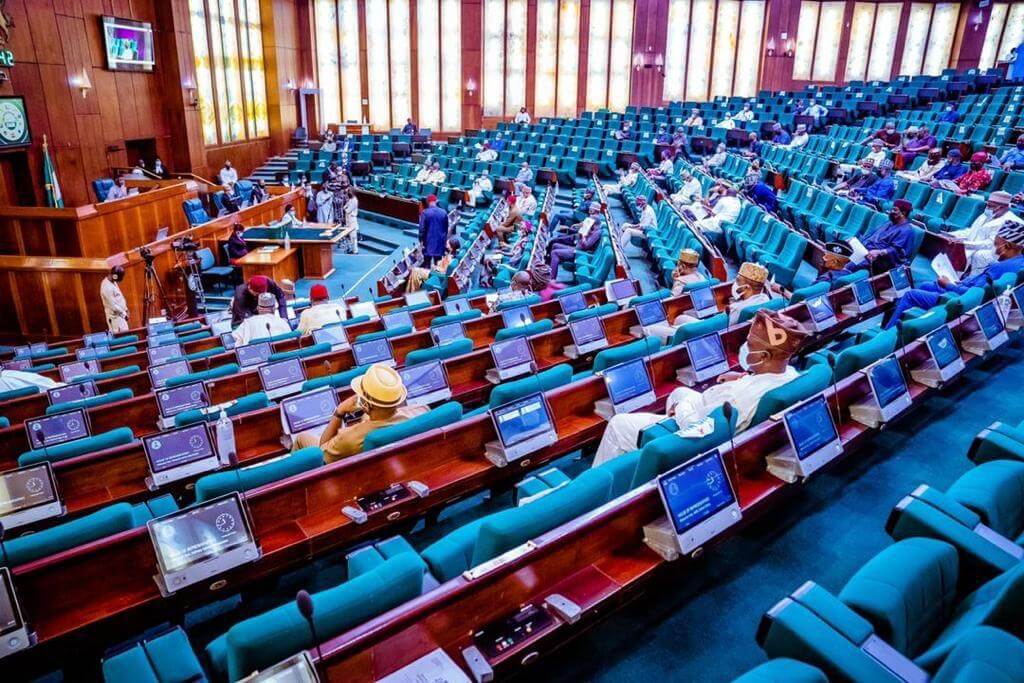
The Nigerian House of Representatives has officially scheduled votes on a series of constitutional amendment bills for December 10 and 11, 2025, signaling a pivotal moment in the nation’s legislative and governance landscape. This development has attracted widespread attention from lawmakers, civil society organizations, and citizens eager to understand how these changes could shape the country’s political and administrative framework.
What the Upcoming Votes Entail
The House of Representatives, under the leadership of Deputy Speaker Benjamin Okezie Kalu, is preparing to deliberate and vote on a harmonized final draft of numerous proposed amendments to the 1999 Constitution. The amendments have been in discussion for several months, undergoing technical review, committee evaluations, and public input sessions. The upcoming votes represent the next critical step in the constitution review process.
Lawmakers will first engage in debates on the bills before casting their votes, ensuring that each proposed amendment is carefully examined. This stage is crucial because it lays the groundwork for potential adoption and subsequent transmission to the Senate.
Key Proposed Amendments on the Table
The ongoing constitutional review encompasses 87 bills touching on diverse areas of governance and public policy. Among the most significant proposals are:
- Creation of additional legislative seats for women: This aims to enhance gender representation and promote inclusivity in Nigeria’s legislative bodies.
- Establishment of new states and local government areas: This proposal seeks to improve governance by addressing administrative and resource distribution concerns.
- Introduction of state police: Designed to strengthen local security frameworks and reduce overreliance on the federal police.
- Full autonomy for local government councils: Empowering local governments to manage their finances and operations without undue interference from state governments.
- Electoral and judicial reforms: These changes aim to streamline processes, enhance transparency, and ensure accountability in elections and the judiciary.
These proposals, if approved, would represent one of the most transformative overhauls of Nigeria’s governance system in recent decades.
The Legislative Process: What Happens Next
Approval by the House of Representatives is only the first stage. After the votes in December:
- The Senate must review and vote on the same bills.
- If approved by both chambers, the amendments are sent to state Houses of Assembly, where at least two-thirds must ratify them to advance.
- Upon successful state-level approval, the bills return to the National Assembly for final verification before presentation to the President for assent.
This multi-stage process ensures that constitutional changes are carefully considered and enjoy widespread political support before becoming law.
Why This Vote Matters
The proposed amendments touch on some of the most debated issues in Nigerian governance. For instance:
- State police and local government autonomy address longstanding security and decentralization concerns.
- Reserved seats for women reflect ongoing efforts to achieve gender equity in politics.
- Creation of new states and LGAs could significantly affect resource allocation and political representation.
Civil society groups and ordinary citizens are closely monitoring these developments, aware that the outcomes could redefine governance structures, security administration, and political representation across Nigeria.
Implications for Citizens
If the amendments are eventually adopted:
- Nigerian citizens could witness improved security through localized policing.
- Local governments may gain greater control over budgets and administrative matters.
- Gender inclusivity in legislative representation may increase, potentially influencing policymaking priorities.
- Creation of new states and LGAs could improve access to government services and political participation.
These changes promise to impact the everyday lives of Nigerians and the overall efficiency of governance in the country.