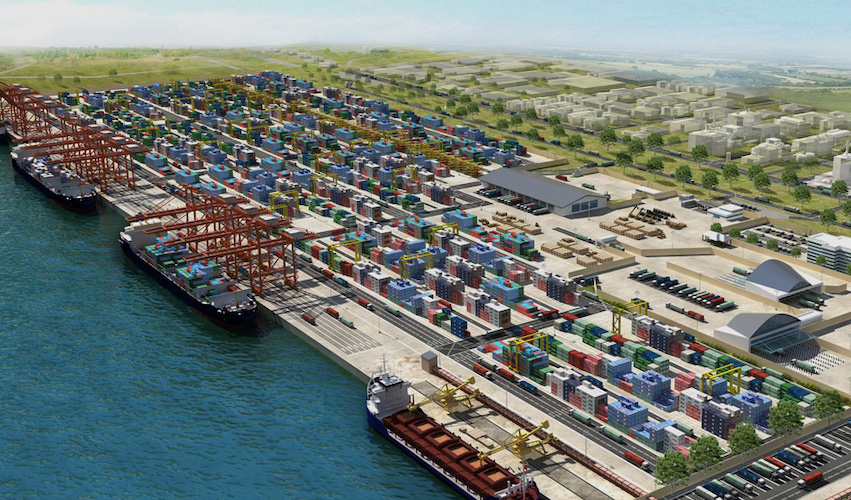
The shipping industry in Nigeria is witnessing a remarkable upturn, with the entire sector recording a 40–50 % increase in activity in 2025 — a significant jump compared to 2024.
This surge was revealed by the Shipping Association of Nigeria (SAN), whose leadership credited the upswing to renewed currency stability and improving broader economic conditions.
According to SAN, the number of vessels calling on Nigeria’s seaports and departing with cargoes has risen sharply — prompting optimism across maritime stakeholders that the port sector is regaining momentum.
What’s Driving the Surge
Currency Stability and Macroeconomic Reforms
A key factor behind the rebound is the relative stabilization of the local currency. With the value of the naira steadier against foreign currencies, importers and exporters are finding it easier to engage in trade — cost pressures from exchange-rate volatility have eased, improving business confidence and trade viability.
Past months have seen regulatory and forex-market reforms aimed at restoring stability to external trade flows and curtailing exchange-rate arbitrage. These macroeconomic changes have shaped a more favorable environment for maritime trade and import/export activities.
Improved Port Efficiency and Operational Readiness
The SAN emphasised that the surge isn’t just about more demand — port operations have improved, reducing bottlenecks that plagued prior years. When agencies handling customs, clearance, and inspections perform efficiently, vessels move faster, departures and arrivals become smoother, and overall shipping throughput rises.
Lower delays and reduced clearance times translate to lower costs for importers/exporters. That, in turn, feeds into reduced manufacturing costs and ultimately, lower consumer prices — reinforcing a virtuous cycle of trade growth.
What This Means for Nigeria — Broader Impacts
- Boost to Trade & Economy: A 50 % uptick in port activity suggests rising imports and exports — a sign Nigeria’s trade corridor is reviving, which may translate to job creation in logistics, export/import businesses, freight forwarding, and related services.
- Lower Costs for Goods: With improved port efficiency and stable exchange rate, import costs and freight charges are likely to drop — which can reduce retail prices of imported goods and materials.
- Increased Investor Confidence: The uptick sends a signal to domestic and foreign investors that Nigeria’s maritime infrastructure and trade ecosystem may be stabilizing and improving, perhaps encouraging fresh investments in shipping, port-side operations, and associated industries.
- Encouragement for Export-Led Growth: As shipping becomes more reliable and less costly, exporters may find it more attractive to scale, potentially boosting non-oil exports and diversifying revenue sources for the country.
- Support for Manufacturing & Supply Chains: With easier importation of raw materials and inputs, manufacturers can optimize supply chains — making local production more viable and competitive.
Challenges That Still Need Attention
While the surge is welcome, stakeholders with SAN cautioned that full benefit depends on sustained efficiency across port agencies. Any breakdown — especially in customs or clearance processes — can quickly undermine gains.
Further, new technologies and reforms implemented by government agencies must be properly tested and managed. If rolled out without sufficient trial, they risk causing delays or disruptions — which could reverse the positive trend.
Also, sustaining currency stability and favorable forex inflows will be crucial — a return to high volatility could once again hamper trade and investor confidence.
What to Watch — Key Signals for the Coming Months
- Whether the 2025 surge translates into lasting growth or is a temporary bounce. If shipping volume continues to rise into 2026, it’s a strong signal of structural improvement.
- If more foreign investors commit to port-side infrastructure, freight logistics, or export businesses — which would reflect rising confidence in the shipping trade.
- How well government agencies handle reforms, technology roll-outs, and process improvements at ports — because smooth clearance and operation are essential for growth to be sustainable.
- Whether manufacturing and export sectors take advantage: increased export volumes or local production growth would reinforce the trend, making gains real for the wider economy.
- The stability of foreign exchange and currency market dynamics — for as long as the naira remains stable and forex accessible, the shipping-trade recovery remains on firmer ground.