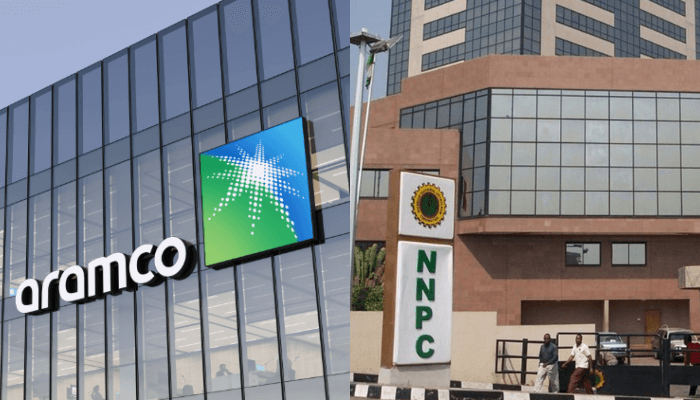
The Nigerian National Petroleum Company Limited (NNPC Ltd) has increased the pump price of Premium Motor Spirit (petrol) across its retail outlets, with motorists in Lagos now paying ₦933 per litre, while those in Abuja are paying ₦960 per litre.
The new prices began appearing at several NNPC filling stations on Wednesday, reflecting the latest adjustment in Nigeria’s deregulated petroleum market and further intensifying concerns about the rising cost of living.
The increase represents a notable jump from the previous pump prices at NNPC stations, where petrol sold for about ₦830 per litre in Lagos and around ₦875 per litre in Abuja. With the latest adjustment, petrol prices in the country’s two major cities have crossed the ₦900 threshold, marking one of the highest retail prices recorded since the removal of fuel subsidy.
Across Lagos, motorists reported seeing the new prices at multiple NNPC retail stations, including outlets in major areas of the metropolis. In Abuja, the new price of ₦960 per litre was also observed at NNPC stations along key routes, including the Airport Road corridor and other parts of the Federal Capital Territory.
The development comes amid shifting dynamics in Nigeria’s downstream petroleum sector following the government’s decision to fully deregulate fuel pricing. Under the current system, petrol prices are largely determined by market forces such as global crude oil prices, foreign exchange rates, refinery supply, and distribution costs.
Energy market analysts say one of the immediate triggers for the price increase is the recent adjustment in the ex-depot price of petrol supplied by the Dangote Petroleum Refinery. The refinery reportedly increased its ex-gantry price—the price at which marketers purchase petrol—from about ₦774 per litre to approximately ₦874 per litre, representing an increase of around ₦100 per litre.
Because many petroleum marketers now depend on supplies from the Dangote refinery or imported products linked to international market prices, the increase at the wholesale level quickly translated into higher pump prices across retail stations.
Another factor contributing to the hike is the recent surge in global crude oil prices driven by escalating geopolitical tensions in the Middle East. International oil benchmarks, including Brent crude, have experienced sharp fluctuations in recent weeks, increasing the cost of refining and importing petroleum products.
With Nigeria’s fuel market now largely liberalised, such global developments have a direct impact on domestic petrol prices. Industry experts note that fluctuations in the exchange rate of the naira against the US dollar also play a significant role, as petroleum imports and related transactions are denominated in foreign currency.
Market observations indicate that petrol prices are not uniform across the country. In several states, especially those located farther from major supply depots, prices are even higher due to additional transportation and logistics costs. In parts of northern Nigeria, petrol is already selling close to ₦970 to ₦980 per litre at some stations.
The latest increase is expected to have a ripple effect across the Nigerian economy. Transportation operators are likely to review fares upward, while businesses that rely heavily on fuel for logistics and power generation may also pass increased operating costs on to consumers.
Economic analysts warn that higher fuel prices often trigger a chain reaction that affects the prices of food, goods, and services nationwide. Small businesses and households that depend on petrol-powered generators due to irregular electricity supply could also face increased financial pressure.
Since the removal of petrol subsidy in 2023, pump prices have been subject to frequent adjustments, reflecting shifts in the global energy market and domestic supply conditions. While the policy was intended to eliminate the fiscal burden of fuel subsidies and attract investment into the petroleum sector, it has also exposed consumers to volatile market-driven pricing.
Industry stakeholders say the current trend could persist if global crude oil prices continue to rise or if supply constraints emerge in the refining and distribution chain.