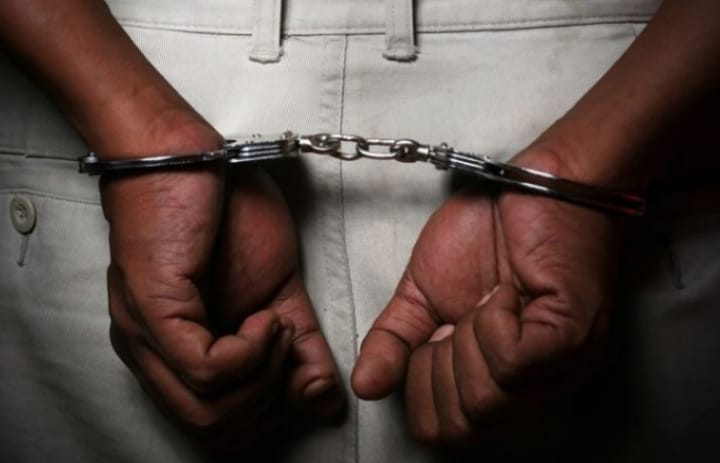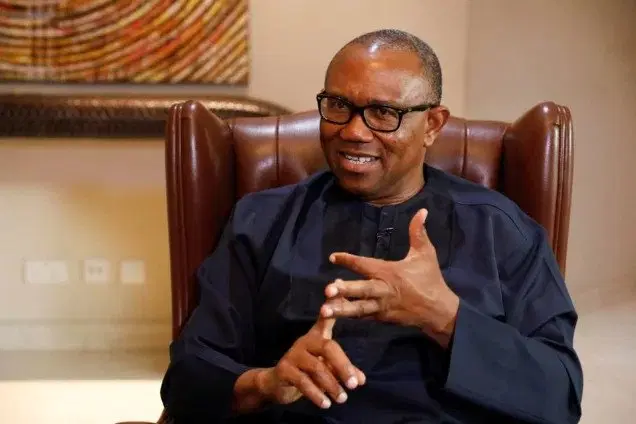
In early December 2025, former Anambra State governor and 2023 presidential candidate of the Labour Party (LP), Peter Obi, committed to paying the full examination fees for 148 inmates in correctional centres across National Examinations Council (NECO).
The inmates are spread across four facilities: 50 in Awka, 36 in Onitsha, 25 in Nnewi, and 37 in Aguata.
Each candidate requires ₦30,050 for the exam, plus ₦2,000 for logistics — bringing the total to ₦4,741,400.
Obi announced his decision after receiving a delegation of inmate representatives who appealed that without the funds, many would be barred from continuing their NECO exams.
He pledged to write officially to the representatives to guarantee payment — and also promised to mobilise friends and well-wishers to help raise the funds if necessary.
Why This Matters: Education as Rehabilitation
Rehabilitation, not just punishment. The move underscores a growing recognition that incarceration should include pathways for rehabilitation. By enabling inmates to sit for their exams, the gesture offers them a real chance at transforming their lives via education. Obi himself referenced his visit to California State University, Sacramento in April 2025, where he observed programmes like “Guidance Scholars” (supporting children from foster homes) and “Project Rebound” (helping formerly incarcerated individuals reintegrate through education).
Equal access to opportunity. Some inmates had already started their exams before being told their fees were still unpaid. Without intervention, they risked being excluded from completing — effectively penalised for lack of funds despite having begun. Obi’s intervention ensures they aren’t denied this opportunity simply because of financial constraints.
Spotlight on a broader challenge. Obi’s statement also drew attention to the broader question: do inmates in other states have similar chances to continue their education during incarceration? By raising this, he puts pressure on authorities and civil society to demand systemic support for inmate education and rehabilitation nationwide.
What This Could Lead To — Potential Impact
Encouraging more philanthropy & advocacy. Such a public commitment may inspire other individuals, groups, or NGOs to support educational access for incarcerated persons. If repeated, these efforts could establish a trend where inmates regularly get support to complete exams or obtain certifications.
Pressure for institutional reform. By highlighting that funding is a barrier even when inmates are permitted to sit for exams, the move could catalyse calls for government policies that ensure free or subsidised education for inmates — making such opportunities standard rather than donation-dependent.
Change in public perception. When society sees inmates being supported in education, it helps shift the narrative: from punishment-only incarceration to correction + rehabilitation. This could reduce stigma and potentially improve reintegration outcomes post-release.
More holistic rehabilitation efforts. Education is just one part. This gesture may draw attention to other needs — vocational training, counseling, life skills — that should accompany confinement to help break cycles of recidivism.
Broader Context: Educational Support for Inmates Is Gathering Momentum
The actions of Peter Obi align with a growing trend of supporting incarcerated individuals’ education in Nigeria. For instance, in 2025, staff of the Nigeria Social Insurance Trust Fund (NSITF) paid exam fees and donated essentials to 20 inmates at the Kuje Correctional Centre, enabling them to sit exams conducted by another body, West African Examinations Council (WAEC).
Also earlier in 2025, the Nigerian Correctional Service (NCoS), in collaboration with foundations, launched exam centres in some custodial facilities — registering inmates for technical and vocational certifications.
These actions suggest a broader institutional and societal shift toward recognizing education as a key tool for rehabilitation, reintegration, and reducing re-offending.