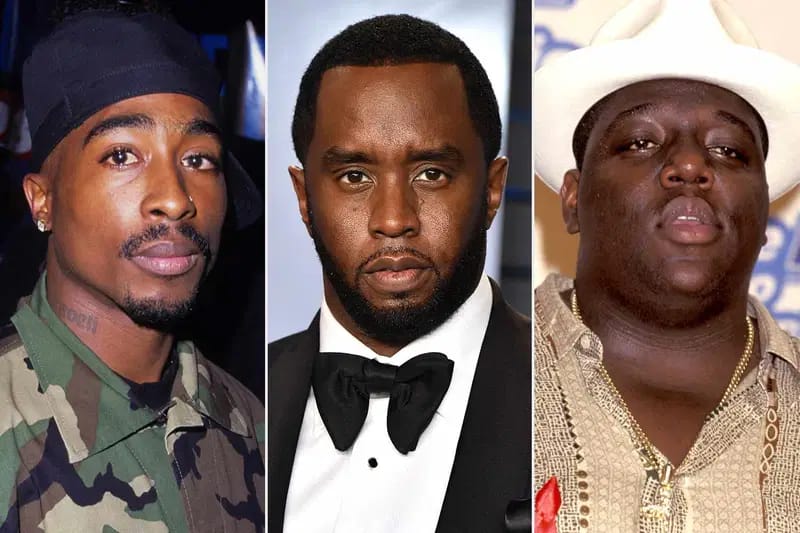
In a dramatic turn of events that has captured the attention of music lovers and cultural historians worldwide, the release of the four-part documentary Sean Combs: The Reckoning has reignited debate over some of hip-hop’s most infamous unsolved mysteries: the deaths of Tupac Shakur and The Notorious B.I.G. The series, executive-produced by Curtis “50 Cent” Jackson, arrives at a time when Sean “Diddy” Combs is already embroiled in significant legal and personal controversies, making it one of the most talked-about releases in recent entertainment history.
A Documentary Steeped in Controversy
Sean Combs: The Reckoning claims to offer an unflinching look at the life and career of one of hip-hop’s most influential figures, exploring not only his musical empire but also the alleged darker sides of his legacy. According to the series, the events surrounding the 1990s East Coast-West Coast rap rivalry and the murders of Tupac Shakur in 1996 and The Notorious B.I.G. in 1997 may have deeper ties to Diddy than previously documented.
Featuring interviews with former associates, jurors, alleged victims, and previously unseen footage of Diddy in the days leading up to his 2024 arrest, the documentary attempts to provide a comprehensive examination of the rapper’s influence, both in music and in the broader cultural landscape.
However, the documentary has faced immediate pushback from Diddy himself. The hip-hop mogul has publicly denounced the series as a biased and “shameful hit piece,” accusing producers of misusing footage and asserting that the series is fueled by a personal vendetta from 50 Cent, with whom he has had a longstanding rivalry.
Key Allegations Explored in the Series
The documentary does not shy away from explosive claims. Among the most controversial is testimony from Duane “Keefe D” Davis, a former gang member implicated in Tupac’s murder, who alleges that Diddy offered a substantial financial incentive to orchestrate the killings of Tupac and his associate, Suge Knight.
Other segments of the series allege that Diddy pressured Biggie Smalls to engage in dangerous moves in Los Angeles, potentially contributing to the circumstances surrounding Biggie’s murder. Additionally, the documentary highlights alleged financial exploitation, claiming that Biggie’s funeral expenses were billed to his estate posthumously, and exploring broader accusations of abuse, coercion, and misconduct over Diddy’s multi-decade career.
While these claims are sensational, it is critical to note that many remain unverified. No official criminal charges have been filed against Diddy in connection with the deaths of Tupac or Biggie, and his representatives insist that the documentary presents a one-sided narrative lacking corroborating evidence.
Cultural and Historical Significance
The deaths of Tupac Shakur and The Notorious B.I.G. have long haunted the music industry and hip-hop culture. Sean Combs: The Reckoning revives discussion around these events, forcing fans and historians alike to reconsider previously held assumptions about the role of record executives, industry pressures, and the intersection of fame and violence in the 1990s rap scene.
For fans, the documentary is more than entertainment—it is a reevaluation of a pivotal moment in cultural history. By revisiting these events decades later, the series raises critical questions about accountability, power, and influence in the music industry, challenging the narrative that these deaths were purely gang-related incidents.
Public Reaction and Media Buzz
The documentary’s release has sparked widespread debate across social media platforms and online forums. Some viewers have described the series as shocking and revelatory, particularly regarding the alleged connections between Diddy and the unsolved murders. Others, however, caution that the documentary may exaggerate claims to generate viewership, emphasizing the need for critical evaluation and corroboration of the allegations presented.
The series’ polarizing reception illustrates the enduring fascination with 1990s hip-hop culture, the lingering mysteries of Tupac and Biggie’s deaths, and the complex legacy of Diddy as both a musical pioneer and controversial public figure.
Looking Ahead
While Sean Combs: The Reckoning may never provide definitive answers to the mysteries surrounding Tupac and Biggie, it is certain to remain a reference point in discussions of hip-hop history and culture for years to come. The documentary underscores the lasting impact of these events on the music industry and highlights the tension between fame, power, and accountability.
As fans and critics continue to dissect the series, one question remains at the forefront: will this documentary prompt renewed investigations, or will it remain a provocative cultural artifact that reshapes public perception without altering the legal record? Only time will tell, but for now, The Reckoning has cemented itself as a defining moment in the ongoing story of hip-hop’s most enduring legends.